
Featured
GuideLuca Di Leone
Underground eco-islands: types, systems and applications
Sotkon APTO bells, Sounete Back and Sounete Side platforms: how deposit, emptying and use cases differ.
Open the guide
Guides and resources
Guides and articles on underground and semi-underground containers, neighbourhood eco-islands and waste collection in urban settings.
The articles combine technical criteria and practical guidance for municipalities, service providers, designers and contractors sizing drop-off points, comparing underground systems or preparing tender documentation.
Sotkon APTO bells, Sounete Back and Sounete Side platforms: how deposit, emptying and use cases differ.

Designing an underground eco-island: volumes, fractions, layout, traffic, collection vehicles, civil works and emptying systems to define before procurement.

Underground and semi-underground containers for hospitality: organising space, vehicle access, sorting and bin screening.

Delivering an underground eco-island: information to gather, supply scope, civil works, installation and responsibilities for municipalities and operators.
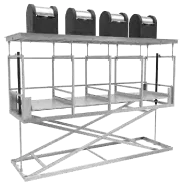
Condominiums and residences: footprint, access, fraction management and operating costs before choosing an underground system.

What to include in a tender spec for an underground island: performance, civil works, vehicles, maintenance, safety and acceptance criteria.

Summer peaks and variable flows: sizing drop-off points and collection capacity in municipalities with strong tourism seasonality.

Capacity, emptying frequency and route planning: when larger or underground containers can lower service costs.

Access control, badges and telemetry: what to specify when designing an eco-island with fill-level data and user management.

How to design waste collection in historic centres with underground containers: constraints, capacity, urban integration and Sotkon APTO.

Underground and semi-underground are not the same: construction, visual impact, maintenance and vehicle compatibility to assess at design stage.

Bells, hydraulic platforms or underground stationary bins: how to match the underground eco-island to road layout, collection vehicles and users.

Bells, platforms and semi-underground units: underground bin types, cost drivers and criteria for municipalities, operators and designers. Guidance and quotes on request from Bunder Waste.

Collection points for condominiums and residential complexes: Sotkon APTO bells, Sounete platforms and feasibility checks.

For municipalities and designers: keep bins below grade or compact while meeting sorting, hygiene and vehicle compatibility requirements.
For contracting officers and designers: concentrate capacity and streams at a few well-finished points aligned with paving and street furniture.
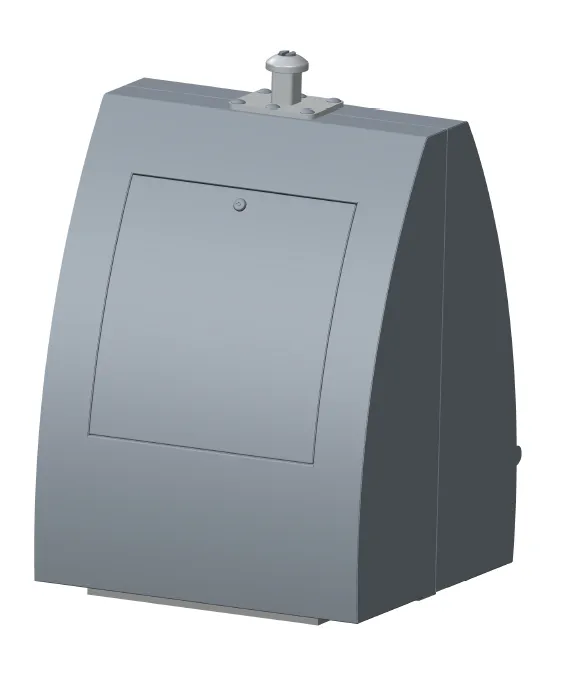
Hardware and software should support route planning and citizen communication, not add complexity without operational return.
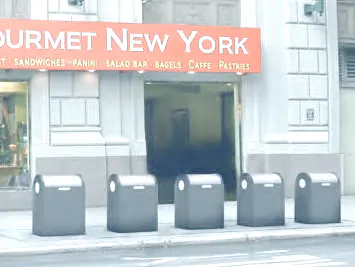
For operators and designers: the vehicle-lift-container pairing decides whether the island works on day one or becomes a hidden cost.

For facility managers and designers: drop-off points that survive heavy use, clean easily and fit gardens, pools and entrances.
Concentrate sorting at strategic nodes, freeing pavements and squares without cutting service capacity.
Configure drop-off points sized for concentrated users while respecting access, noise and upkeep for managers and operators.
When drop-off points are far apart, operators need high-capacity islands, compatible vehicles and realistic frequencies.