
Guides and resources
Residential areas: orderly collection in shared spaces
Configure drop-off points sized for concentrated users while respecting access, noise and upkeep for managers and operators.
At a glance
In condominiums, residences and internal courtyards collection must limit visible bins, odours and clutter while handling evening and weekend peaks.
Common choices are underground litter bins, polyethylene semi-underground units, Sounete Back platforms for wheeled bins and Ecoabri covers where wheeled bins remain.
Choice depends on who runs service (concierge, cooperative, external operator) and how much vehicle access the courtyard allows without disturbing residents.
Residential context
Tight access, proximity to homes and building rules restrict hours and container types.
Managers seek setups that reduce complaints about hygiene and appearance.
Evening (7-10 pm) and Sunday peaks hit when bins are already full.
Short-let units increase volume variability and need for more frequent emptying.
Configuration criteria
Number of homes, mandatory streams, emptying frequency and vehicle type that can enter the courtyard.
Available excavation depth, gradient and power for hydraulics or compaction.
Noise and hours: prefer sealed lids and daytime emptying where rules allow.
Walking route from the doorway to the deposit point: steps, ramps and gate width matter before choosing a hydraulic platform.
Condominium rules on keys, wheeled bin parking and sanctions for mis-sorting.
Volumes for housing users
Estimate waste per home and stream using municipal or contract operator data.
For organics, capacity is often the binding constraint: a semi-underground unit or dedicated bin on a platform beats many small containers.
Underground litter bins cover low-volume dry streams near entrances, not the whole building alone.
Ecoabri do not add capacity: they tidy the wait for structural work on excavation or platforms.
Typical configurations
Underground litter bins for modest volumes near entrances or internal green areas.
Polyethylene semi-underground for mid capacity with less excavation than bells.
Back platforms with two to four wheeled bins when service mirrors rear street collection.
Ecoabri to screen existing bins while upgrading the plant.
In residences with internal parking, place the technical point away from bedroom windows but reachable by the collection vehicle.
Permits and courtyard works
Check building title, condominium rules and any municipal approval if the plant faces public realm.
Coordinate excavation with other building works (facades, lifts) to avoid reopening the courtyard multiple times.
Protect paving and planting during works; fast reinstatement reduces conflict between owners.
Commission with the manager and operator on platform opening, odour seals and vehicle access.
Management and maintenance
Split responsibilities between building and external operator for cleaning, access keys and seal replacement.
Schedule hydraulic checks on platforms and leachate inspection on buried units per manufacturer guidance.
A visible log at concierge or in a building app builds trust on hygiene and repair times.
Train residents on streams and hours: in enclosed spaces contamination quickly drives odour complaints.
What to request from the supplier
Typical layout for home count and streams, with platform open footprint.
Confirmation vehicle fits gate and manoeuvring lane in the courtyard.
Spare parts list and lead times for seals and hydraulic components.
info@bunder.it with courtyard plan, unit count and collection service type.
Products to review
Underground litter bins, polyethylene semi-underground units, Sounete Back recessed platforms, Ecoabri covers.
For Back platform and rear vehicle fit, see the vehicle compatibility and emptying guide.
Operational steps for manager and operator
Call a meeting or send a circular with proposed layout and impact on courtyard and parking.
Check insurance and liability for construction damage and platform use.
Set internal rules on deposit hours and banned waste types.
Agree with the external operator on keys, codes, emptying frequency and overflow penalties.
After six months, survey owners on odours and clutter for adjustments.
Products that may fit your project
For projects like yours, many Bunder Waste customers start with these solutions. Compare capacity, use case and configurations before you get in touch for a quote.
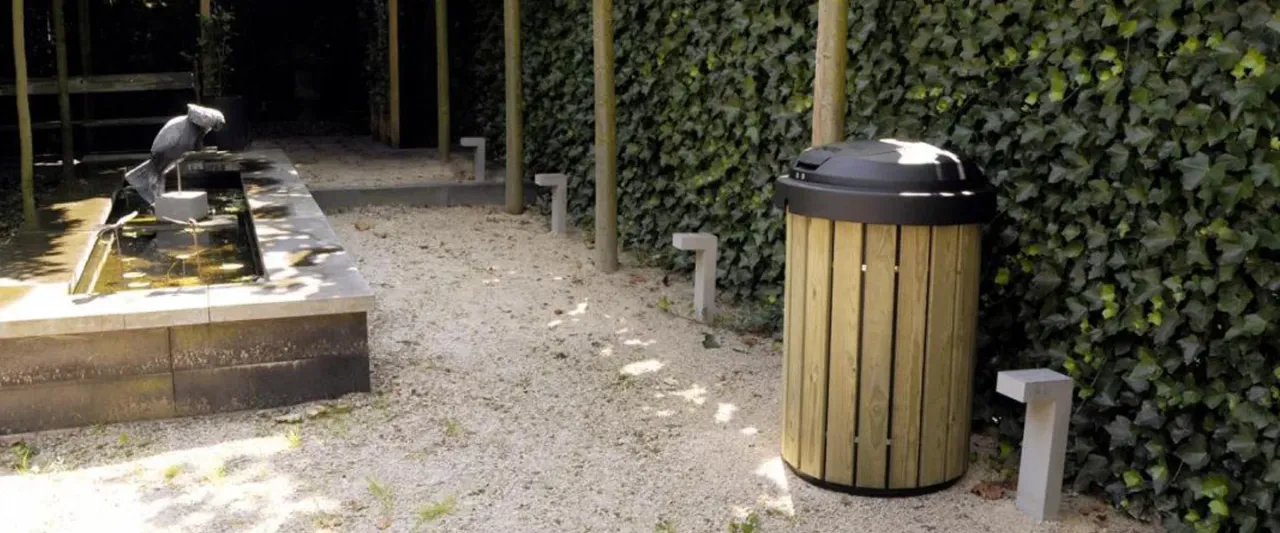
Traflux · UrBin
Semi-underground litter bins
Where most street litter bins have traditionally been quite small, Bunder's semi-underground litter bins allow 200 L and 300 L volumes to be collected below gr…
View product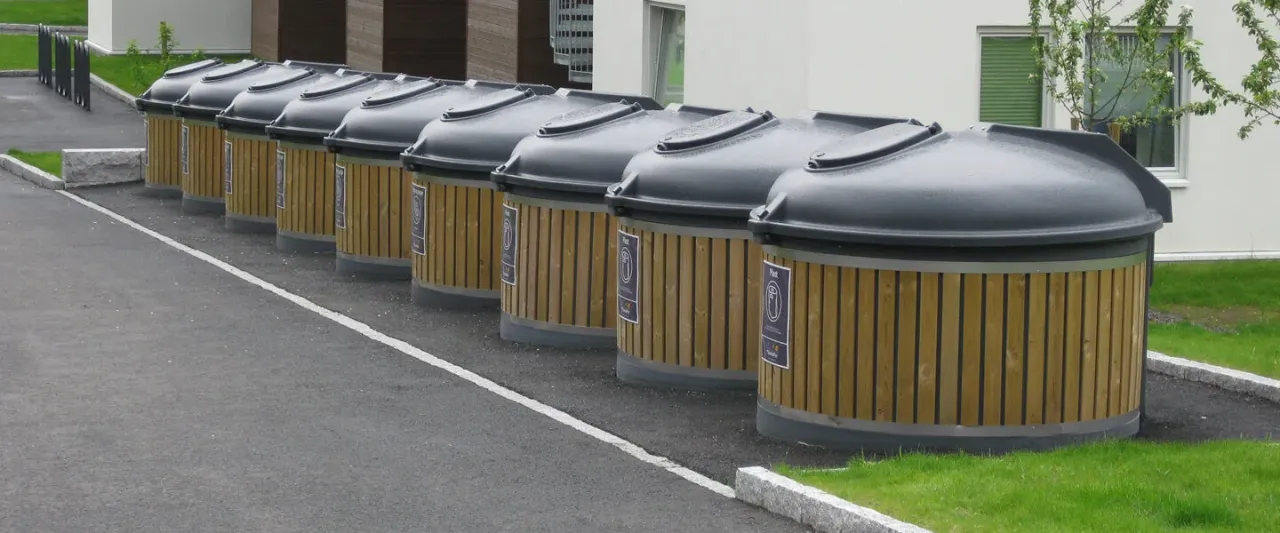
Traflux · ZBin
Semi-underground polyethylene containers
Semi-underground and above-ground polyethylene bell units for source-separated collection: configure internal bag, PE tub or steel liner, capacities up to 5,00…
View product
Sounete · Back
Pedane per cassonetti carrellati
Sounete Back hydraulic platforms, distributed in Italy by Bunder Company SRL, bury two to four wheeled bins: MRT chutes at street level, waste below grade and…
View product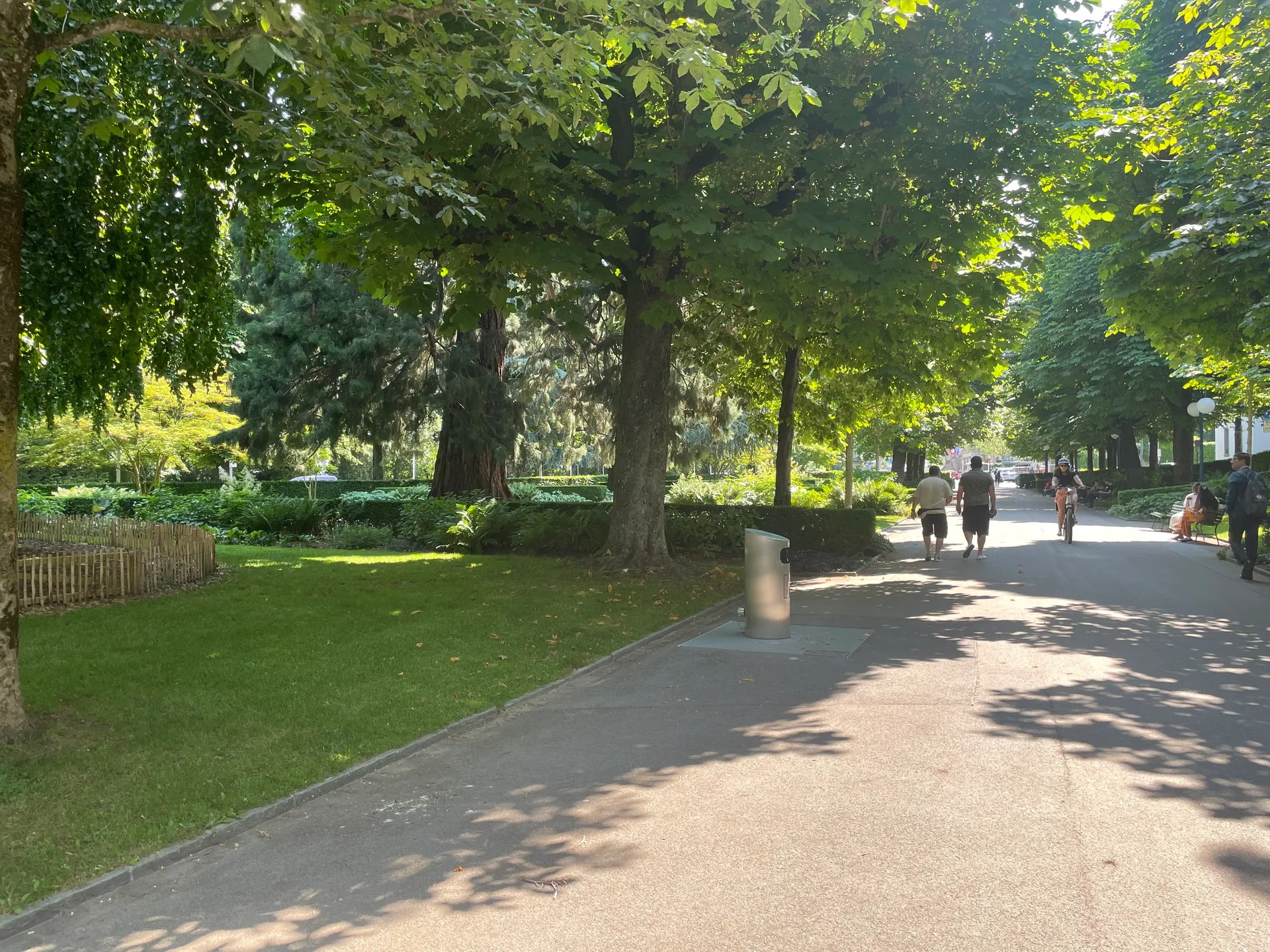
Ecollect · ECOABRI
Composite shelters for wheeled bins
ECOABRI is the Ecollect shelter range for wheeled bins with front or side exit and landscape-friendly finishes.
View product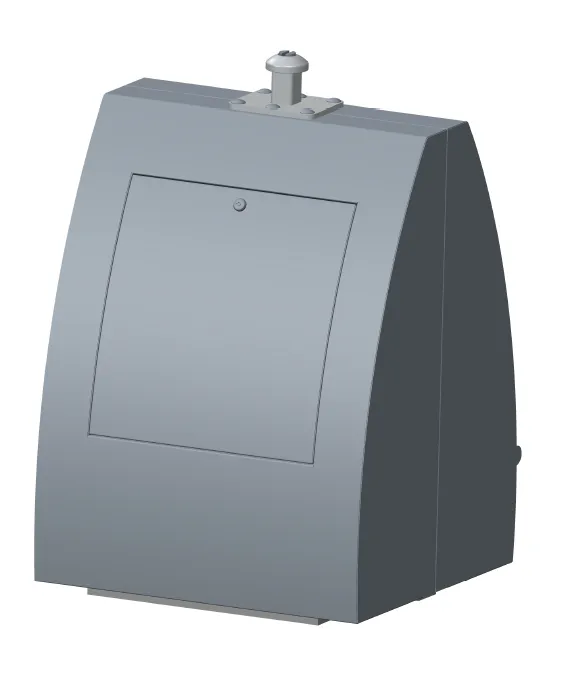
Sotkon · Kynetik
Torrini per conferimenti
Sotkon’s Kynetik chute complements APTO islands with urban stainless-steel design: ergonomic depositing, outdoor durability and stream-specific customisation.
View product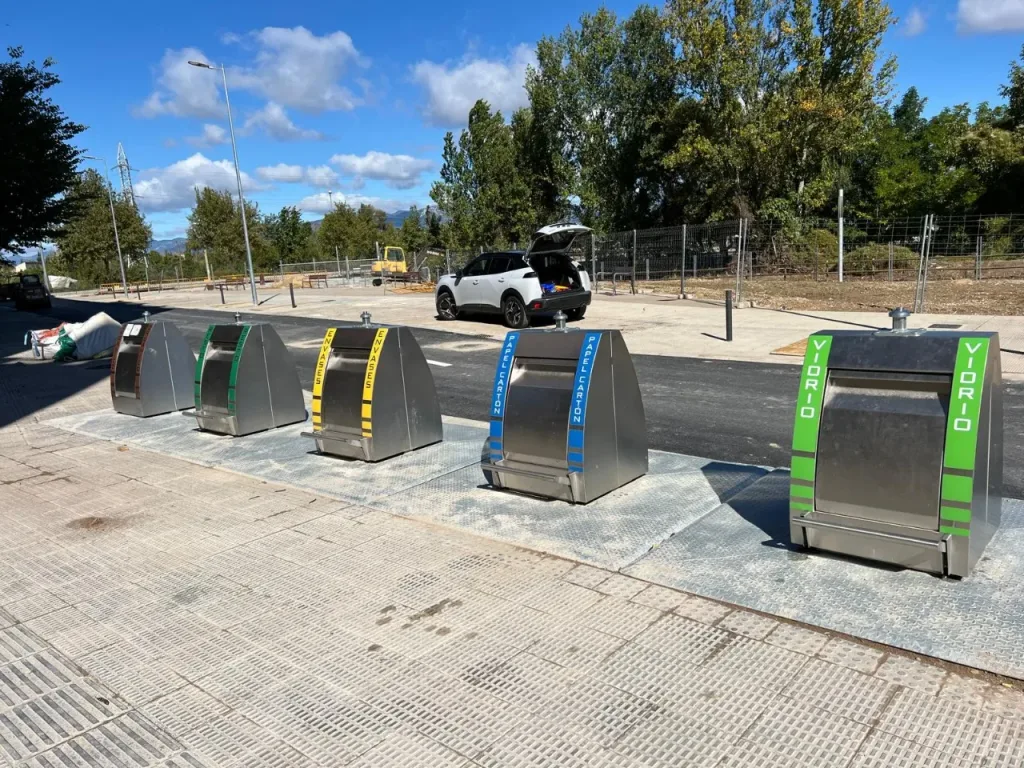
Sotkon · APTO · F90
Presa e raccolta APTO
On Sotkon APTO underground bells, the F90 coupling enables bilateral collection with a cab-controlled crane, alongside FLEX Kinshöfer and other lift options.
View product


FAQ
Answers for your project
Full burial in a courtyard: is it feasible?
Depends on depth, utilities and permits. Semi-underground or underground litter bins are often quicker compromises.
How many wheeled bins on a Back platform?
Bx2, Bx3 and Bx4 setups for two to four 1,000-1,700 L bins; choice follows streams and frequency.
Is municipal approval required?
For fixed plants and public realm changes yes; in private courtyards check building and condominium rules. Always confirm with local authorities.