Sounete Back recessed platforms
Sounete · Back
Pedane per cassonetti carrellati
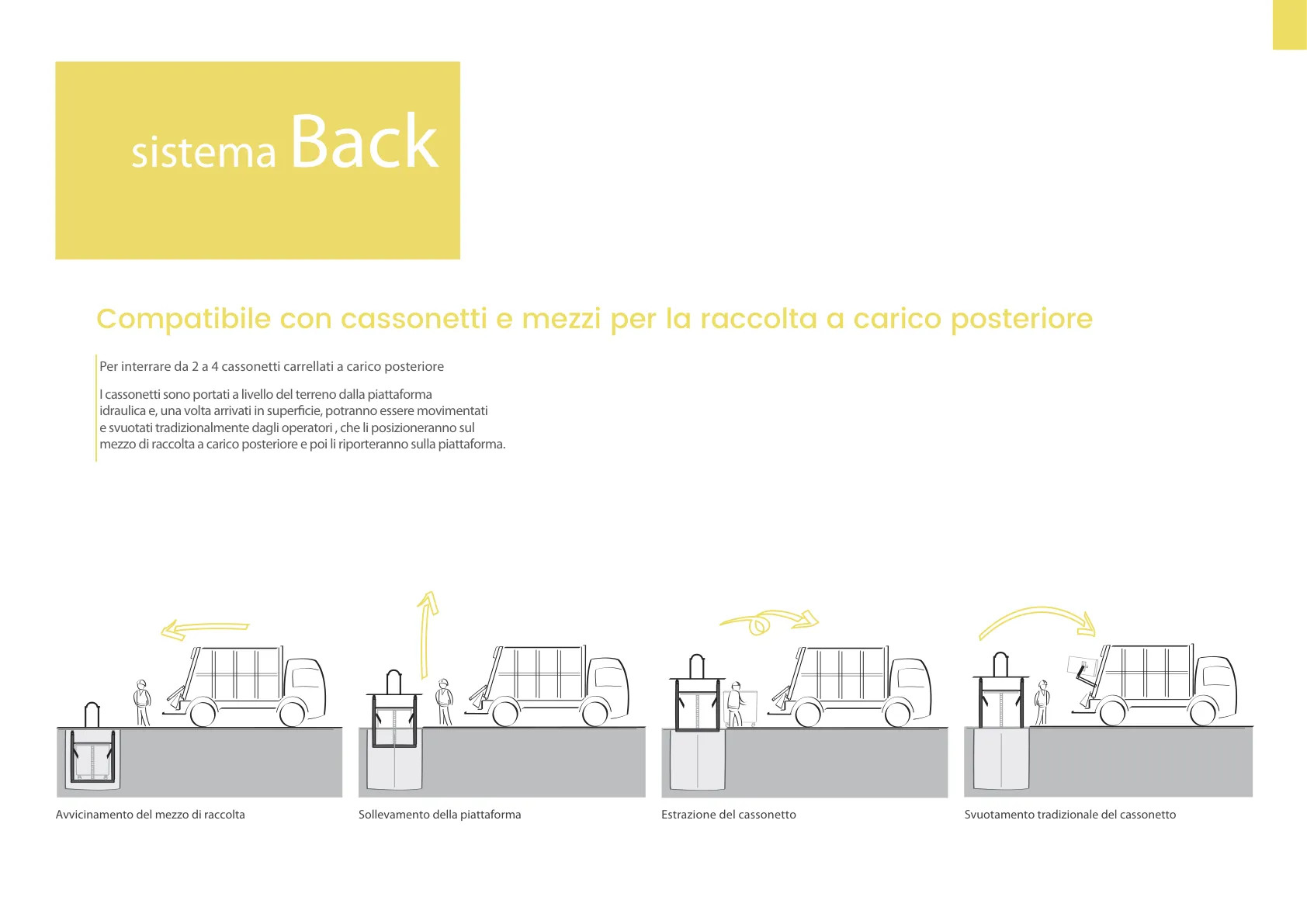
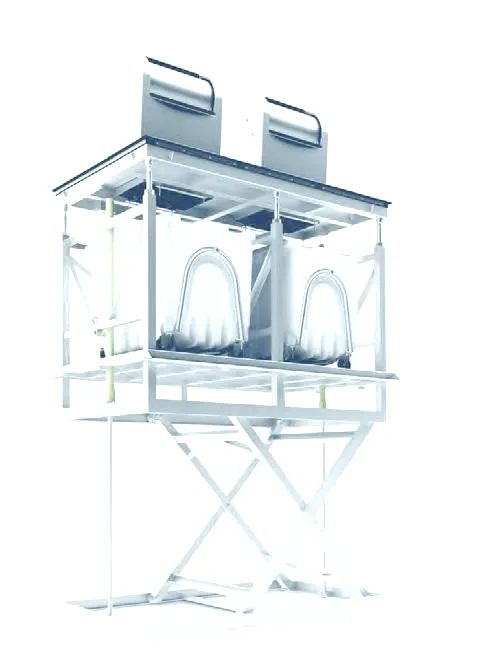
Sounete Back hydraulic platforms, distributed in Italy by Bunder Company SRL, bury two to four wheeled bins: MRT chutes at street level, waste below grade and lifting for emptying with rear-loading compactors already in service.
- Brand
- Sounete · Back system
- Bins
- 2–4 wheeled · 1,000–1,700 L (DIN)
- Collection
- Rear load · existing compactors
- Deposit
- External MRT chute
Performance and benefits
Modularity
2–4 bins
vs Bins below grade – MRT towers remain at surface
1,000 or 1,700 L wheeled.
- Flexible layout across mixed territories
- Same rear-loader compactors already in service
- External towers per fraction
Lifting
Pantograph
vs Electro-hydraulic pantograph lift
Integrated electro-hydraulic circuit.
- Suited to historic centres and limited traffic
- More hygienic below-grade deposit
- Access and fill sensors (optional)
Management
Smart
optionalvs islands without telemetry: monitored access and fill
Access and fill monitoring (optional).
- External towers per waste stream
- Same rear-loader compactors already in service
- Modular layout for 2–4 wheeled bins
Description
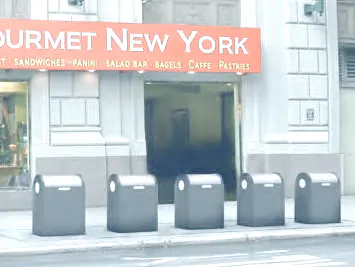
- StreetscapeBins disappear below pavement; only fraction chutes remain visible.
- HygieneGasketed lids, fewer odours and litter; optional access control.
- BackUnified platform and roof; each bin in a dedicated chamber; paveable cover.
- HydraulicsTwin cylinders and pantograph; slope compensation up to 15%.
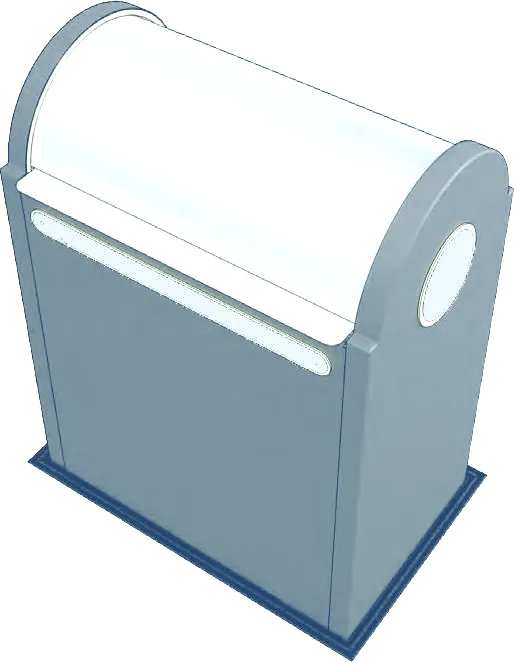
- MRTMinimal external chute: AISI 316 drum, galvanised painted body, anodised aluminium fraction plate.
- CompatibilityStandard 1,000–1,700 L wheeled bins for rear collection (DIN).
- DistributionProject and tender support with Bunder Waste.
Benefits of Sounete burial
- Sounete documentation highlights lower visual impact, better separate collection uptake, accessibility, odour control and improved surface hygiene.
Side system for large volumes
- For 2,400 or 3,200 L side-loading stationary containers see Sounete Side platforms. For how the platform fits a collection point, see the guide to underground eco-islands.
Applications and contexts
Centri storici e vie a viabilità limitata
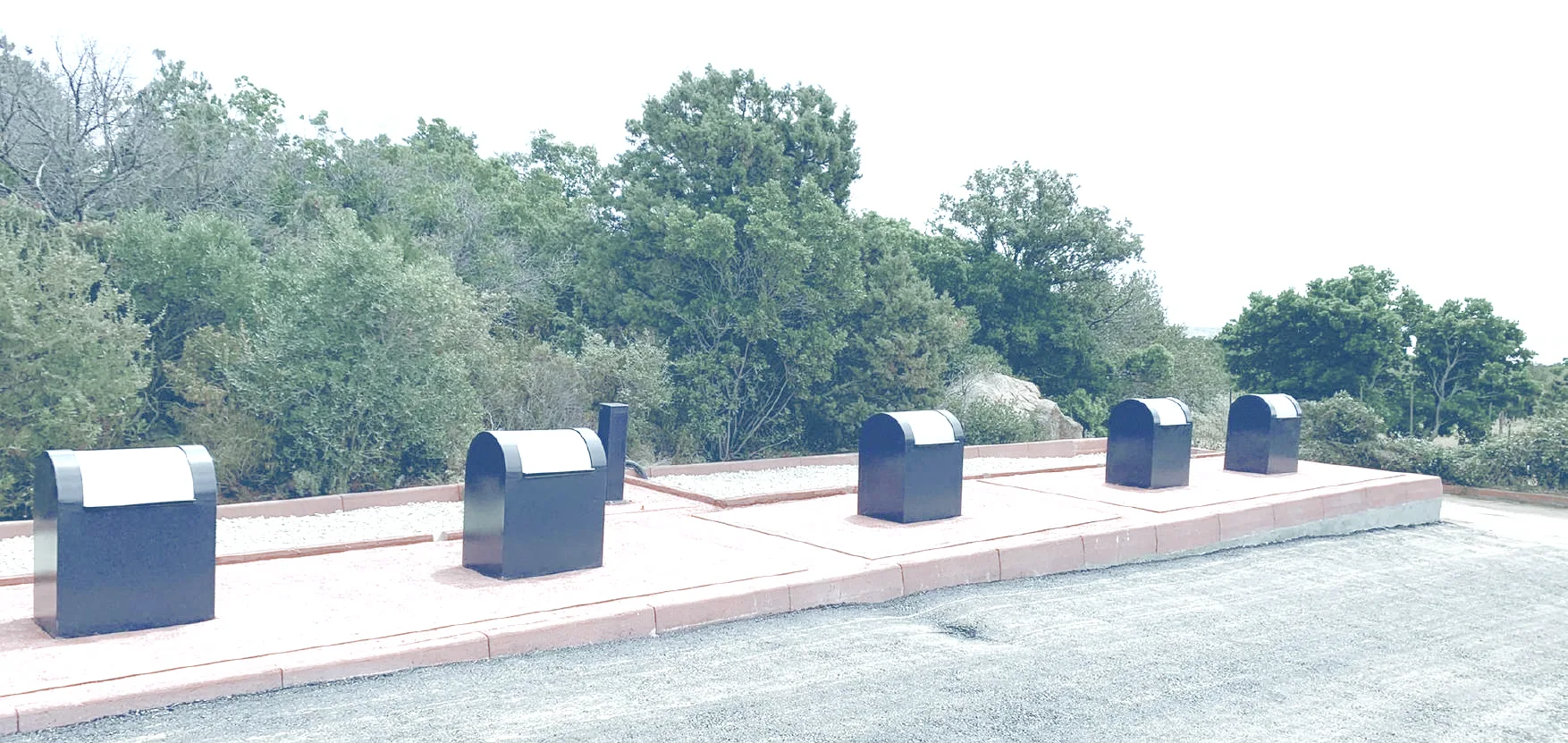
Isole ecologiche modulari a scomparsa
Quartieri con raccolta a carico posteriore
For use cases and requirements in your territory, see also Smart collection: actionable data for municipalities and operators.
See how to assess this system for a condominium collection project. Condominium eco-islands.
Frequently asked questions
How many bins does Back hold?
Bx2, Bx3 and Bx4 layouts bury two to four standard wheeled bins from 1,000 to 1,700 litres for rear-loading collection.
How is lifting powered?
Either a mains-powered hydraulic unit in a chamber with a surface control post, or the truck circuit via a quick coupling (adapter on the compactor).
Where can I get dimensions and drawings?
Project tables and civil data are not published online: email info@bunder.it for reserved Sounete documentation.
How do I receive the technical datasheet?
Datasheets, documentation and prices are not published on this site: we send them on request for the product and configuration you need. Use “Request datasheet and quote” on this page: the form opens with this product preselected.
Recommended products
More solutions in the Recessed platforms range and related families.
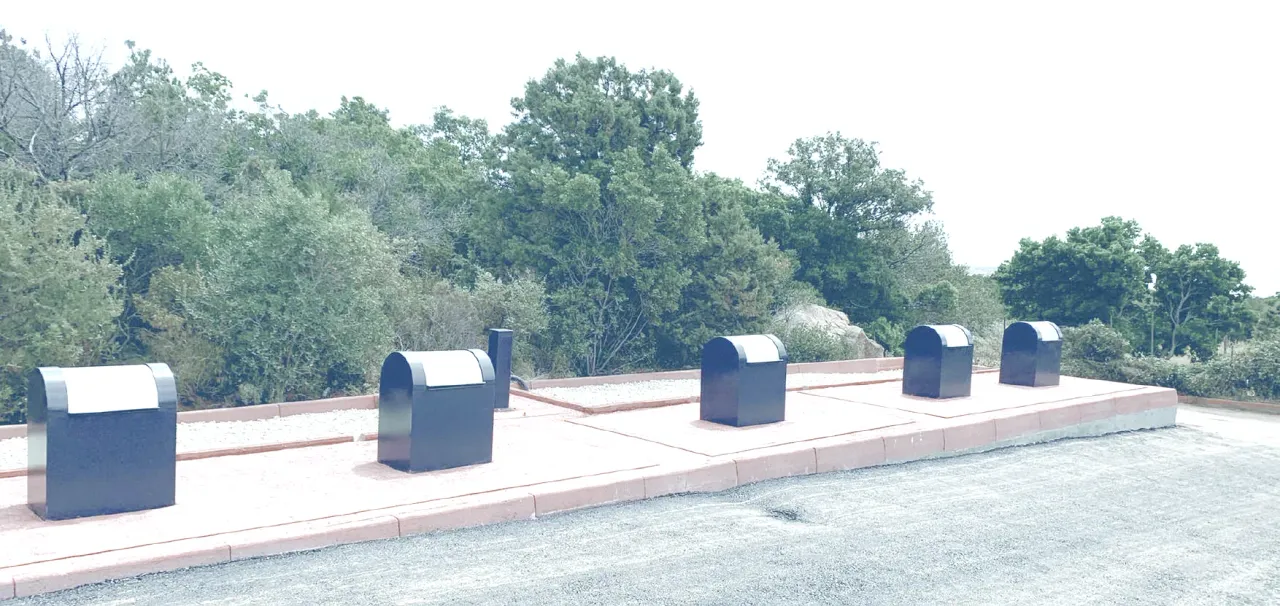
Sounete · Side
Underground systems for stationary bins
Sounete Side buries one or two 2,400 or 3,200 litre containers (up to 4,000 L in dedicated setups) in a concrete shell: scissor cover, hydraulic lift and empty…
View product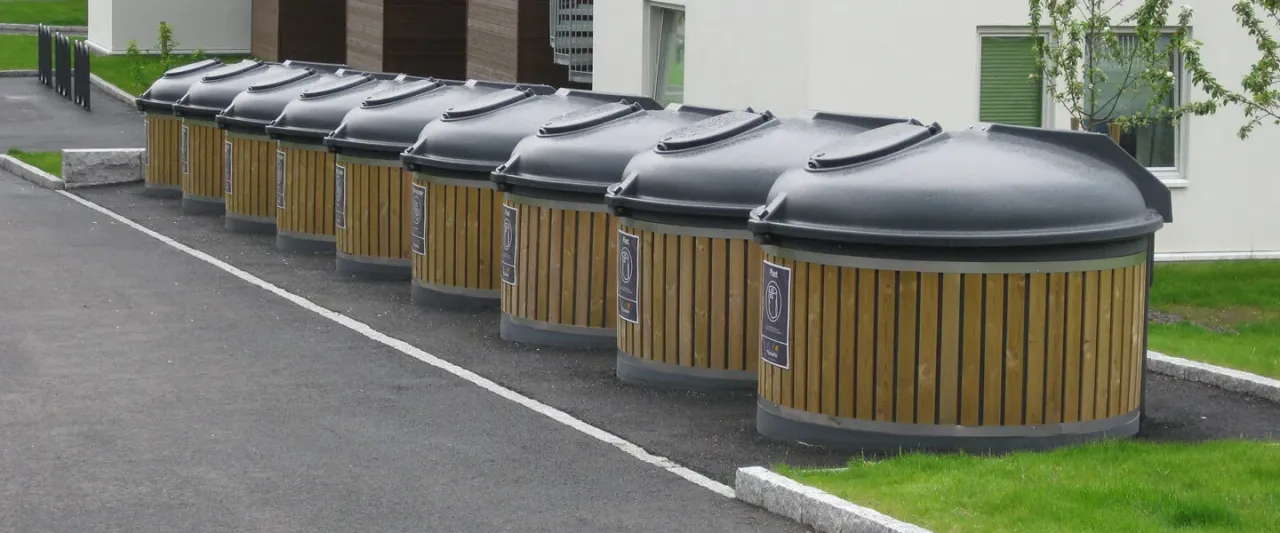
Traflux · ZBin
Semi-underground polyethylene containers
Semi-underground and above-ground polyethylene bell units for source-separated collection: configurable with internal bag, PE tub or steel liner, capacities up…
View product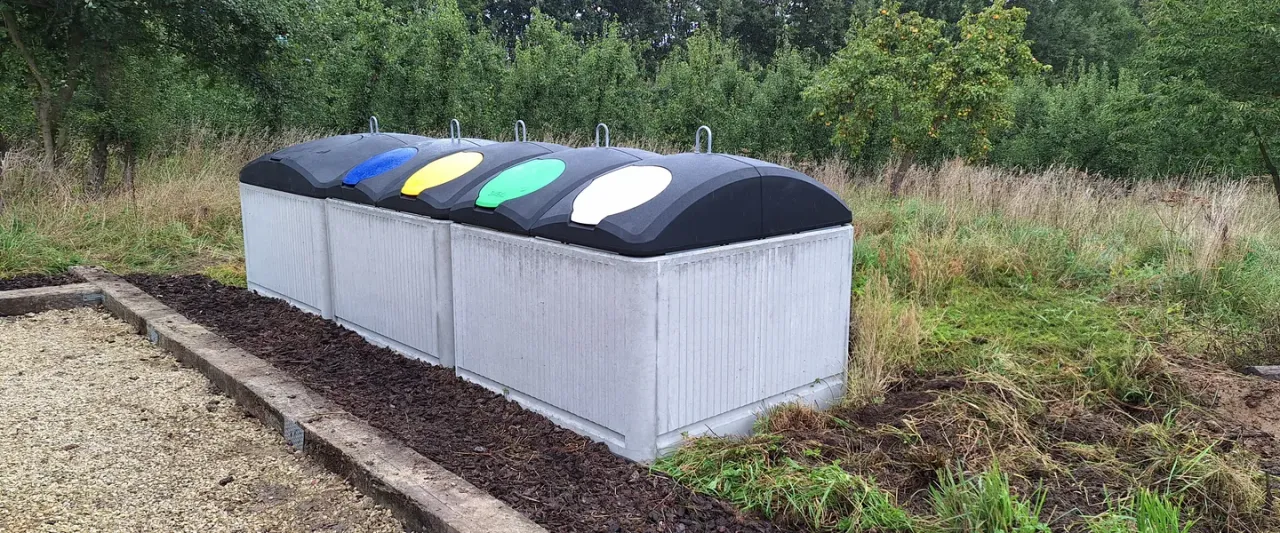
Traflux · RBin
Modular semi-underground containers
RBin 2.0 is the high-volume semi-underground unit in the Traflux line (made in Belgium, supplied in Italy through Bunder Waste): reinforced concrete pit, compa…
View product


Recommended articles
Linked guides and articles: operational context, design choices and useful references.
 ArticleLuca Di Leone
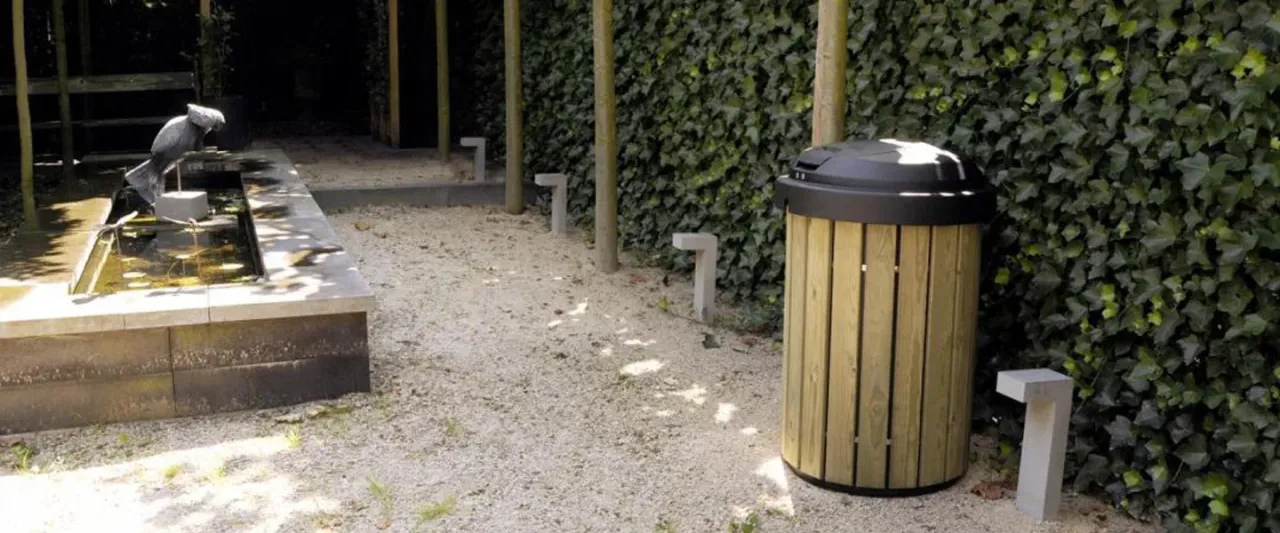
Underground or semi-underground containers: differences and selection criteria
Underground and semi-underground are not the same: construction, visual impact, maintenance and vehicle compatibility to assess at design stage.
Read article ArticleLuca Di Leone
How to design an underground eco-island: space, capacity, vehicles and civil works
Designing an underground eco-island: volumes, fractions, layout, traffic, collection vehicles, civil works and emptying systems to define before procurement.
Read article ArticleLuca Di Leone
Underground bins for condominiums and residential complexes: when do they pay off?
Condominiums and residences: footprint, access, fraction management and operating costs before choosing an underground system.
Read article

