
Smart compacting litter bins

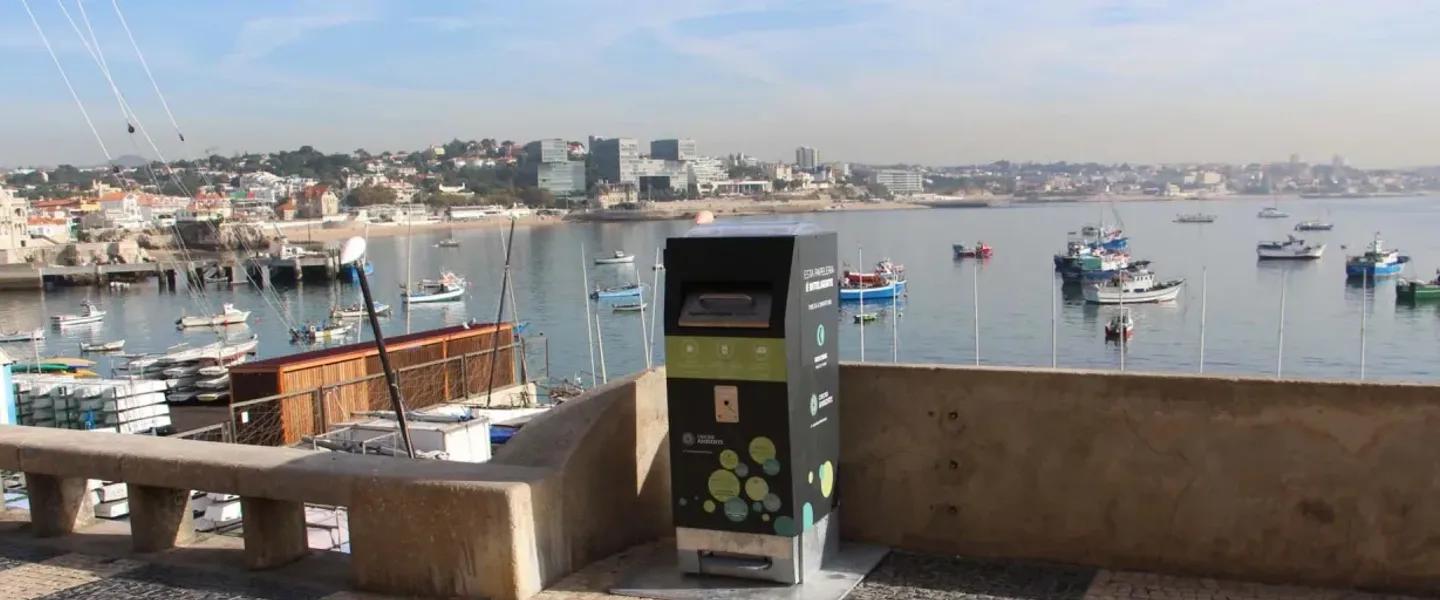
Traflux · WasteMate
WasteMate compacts street litter, monitors fill level and helps cut empty runs: more capacity in the same footprint for municipalities and operators that want a more efficient service.
- Range
- Traflux · WasteMate
- Capacities
- 120 L and 240 L
- Compaction
- Up to about 7:1 (waste-dependent)
- Power
- Solar outdoors · mains indoors
Performance and benefits
Capacity
up to ~7:1
+130%useful volume in the hoppervs typical static bins 1:2–1:3
More useful volume in the same footprint.
- Internal vertical press in the bin
- More deposits before each empty
- Fewer wasted runs at high-footfall points
Solar
Outdoors
no trenching for an island electrical feedvs grid-tied compactors
Mains power on the indoor variant.
- No street electrical hook-up
- Press, sensors and connectivity powered by the sun
- Simpler install in squares and streets
Control
Telemetry
2×capacity with similar plaza footprintvs 80–120 L street bins
120 L · 240 L · Basic without press.
- Remote fill-level monitoring
- Intervene when needed, not on a fixed calendar
- See models and platform on the dedicated site
Description
- CompactionInternal vertical press up to about 7:1: more volume collected before each empty, same ground footprint.
- PowerSolar outdoors (no street electrical hook-up); indoor variant with mains charging.
- ControlFill-level sensors and remote management so you intervene when needed, not on a fixed calendar.
- Three configurationsWasteMate 120, WasteMate 240 and Basic without a press: choose by footfall, stream and context.
When it makes sense
- It fits where traditional bins fill too fast, empty runs weigh on service cost, or you need telemetry across scattered urban points.
- For model sheets, platform and project configuration, go deeper on the dedicated WasteMate site: full range and how to request a service assessment.
Applications and contexts
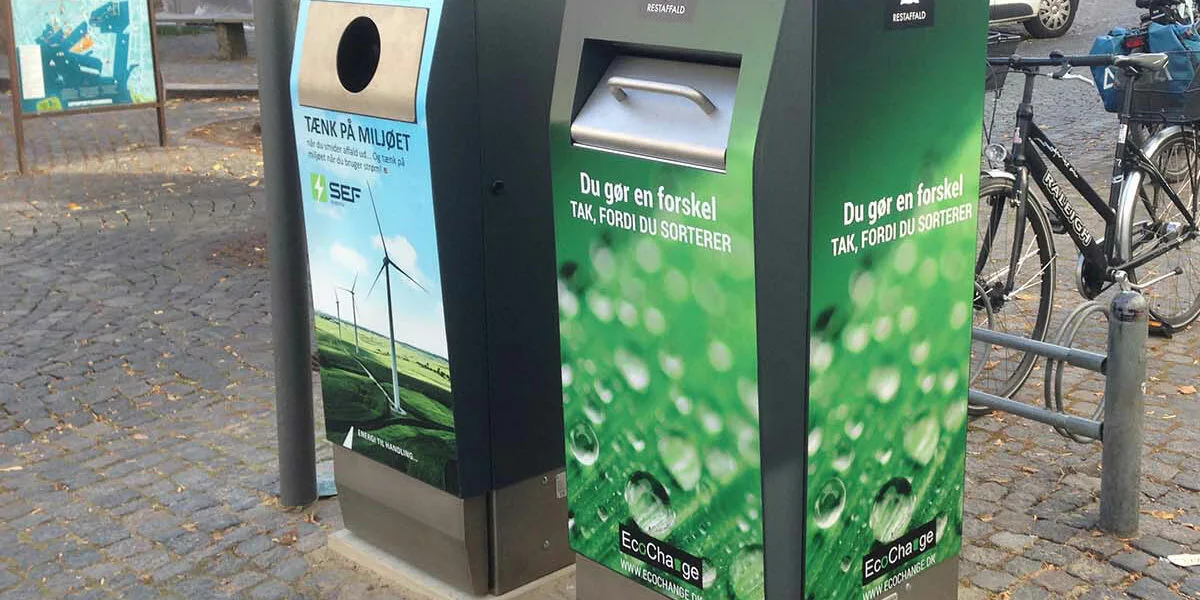
Pedestrian streets and squares with moderate or high footfall
Historic centres where fewer vehicle passes matter
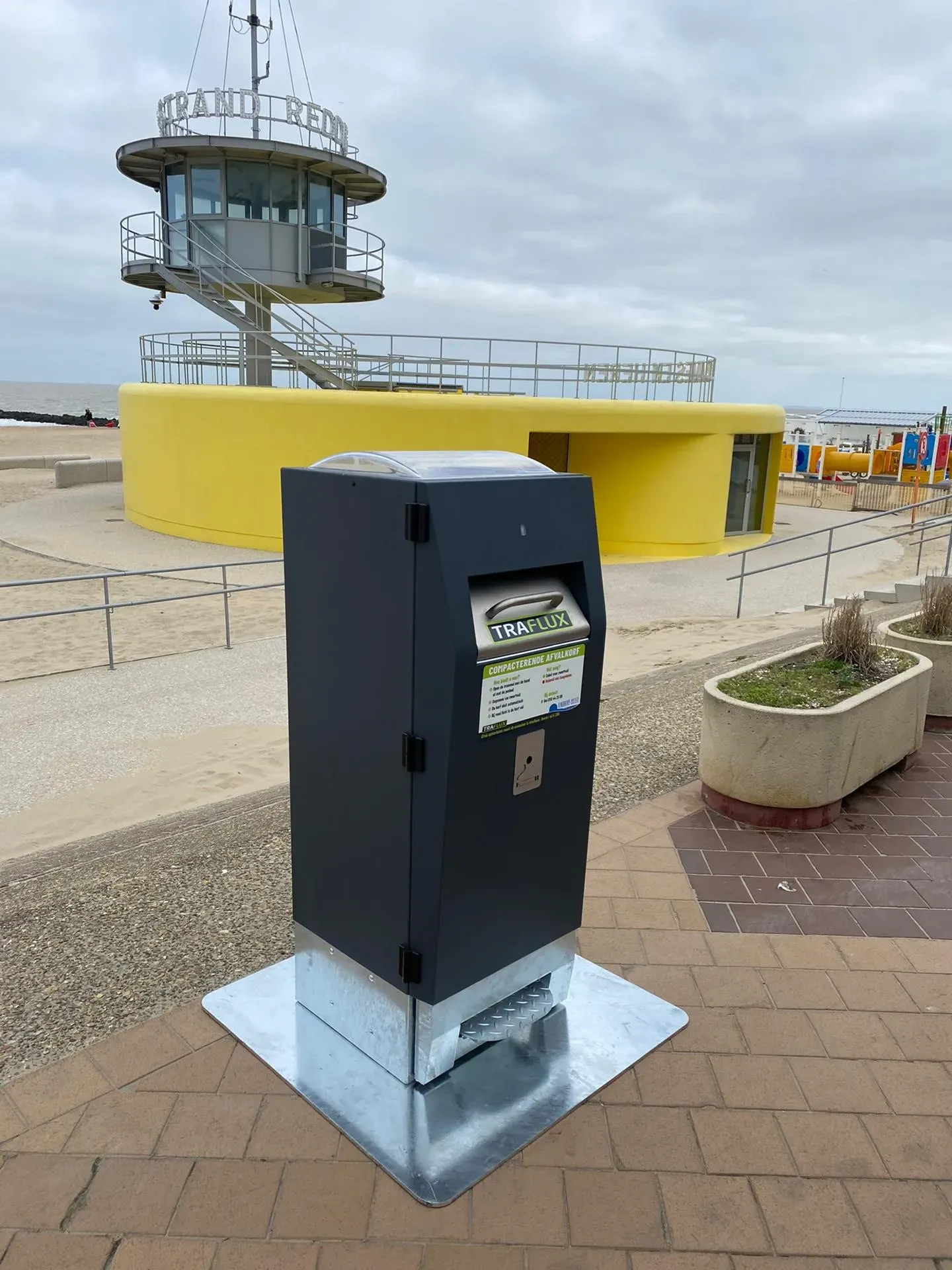
Seafronts, stations and high-traffic hubs
For project context and on-site requirements, see the guide Smart bins and access control: how digital eco-islands work and the solution page Smart collection: actionable data for municipalities and operators.
Frequently asked questions
Outdoor or indoor: which power supply?
Outdoors, WasteMate uses a solar panel for the press, sensors and connectivity. Indoors, a mains-powered variant is available. Models, autonomy and options are on the dedicated site cestini-compattanti.it.
Do I need the press or is monitoring enough?
120 L and 240 L with a press raise useful capacity in the same footprint. Basic (120 or 240 L) monitors fill level without a press, suited to glass, organics or sites that do not need compaction. Compare the three configurations on cestini-compattanti.it.
Where are the full range, platform and datasheets?
This Bunder Waste catalogue page is an introduction. For models, telemetry, the management platform and configuration requests go to https://www.cestini-compattanti.it/.
How do I receive the technical datasheet?
Datasheets, documentation and prices are not published on this site: we send them on request for the product and configuration you need. Use “Request datasheet and quote” on this page: the form opens with this product preselected.
Recommended products
More solutions in the Complementary systems range and related families.
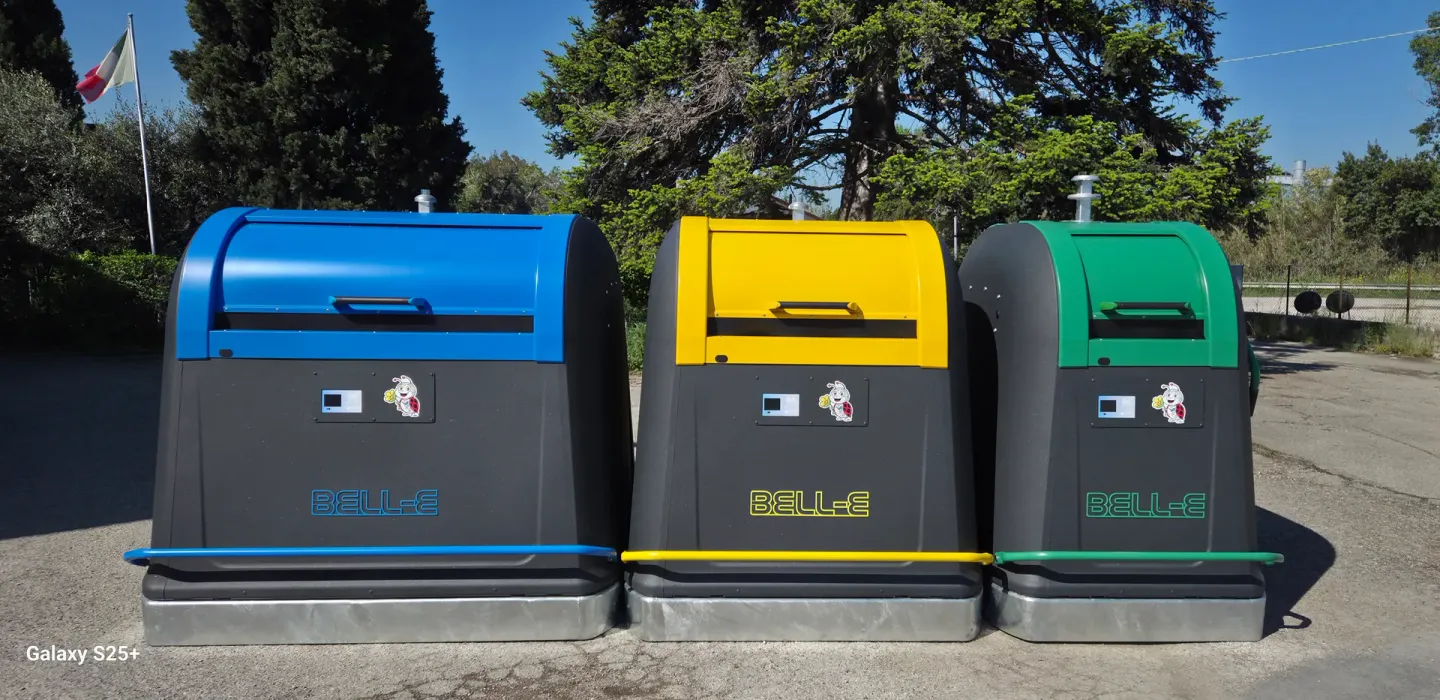
Vetroplast · Bell-e
Campane bilaterali
Vetroplast Bell-e bilateral above-ground bells for kerbside source-separated collection of all streams (glass, paper, mixed packaging and others, including ded…
View product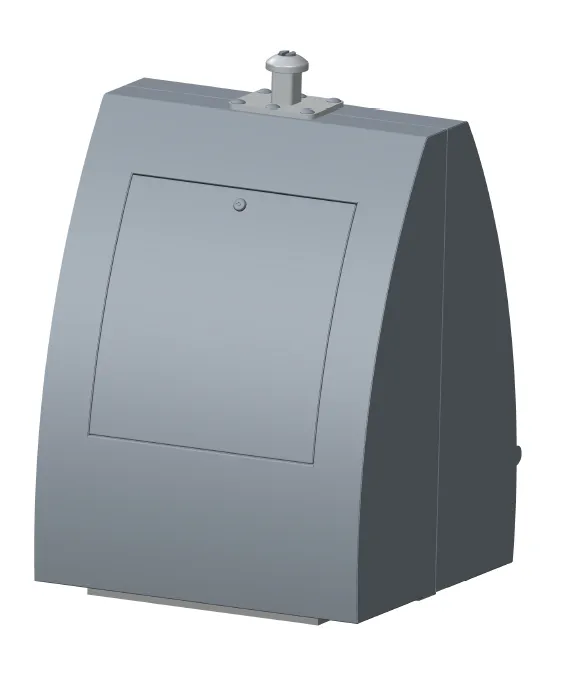
Telemetry · Bunder Waste
Fill-level sensors
Fill-level sensors measure how full each island node is in near real time: they show which points to empty first, flag overflow risk early and send vehicles on…
View product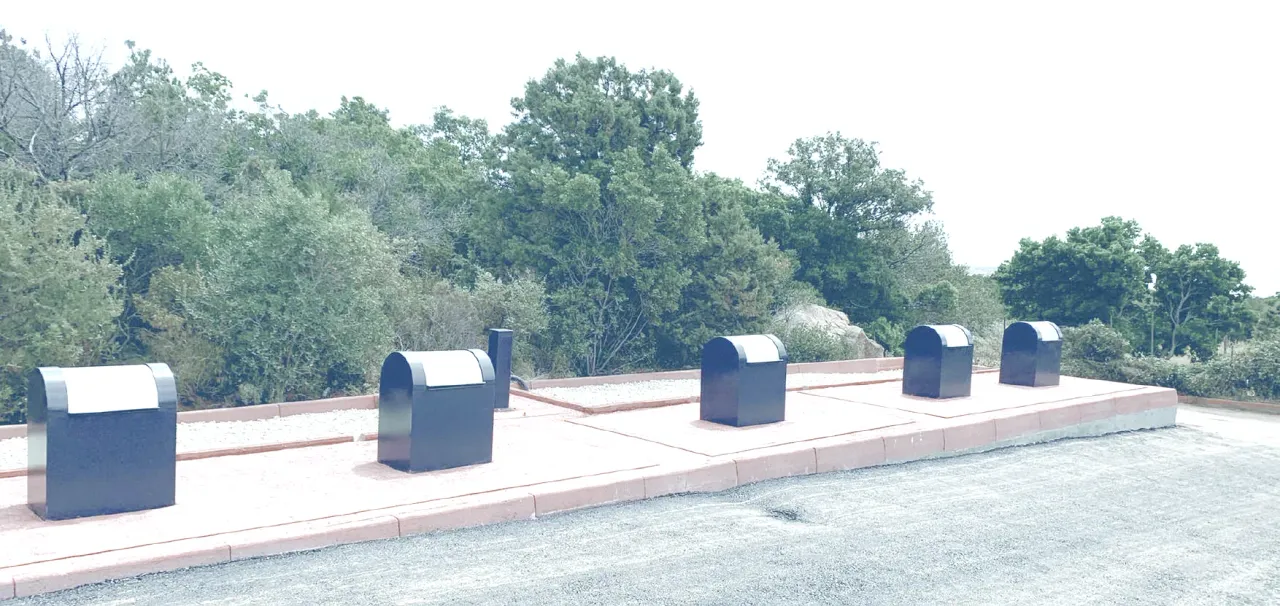
Sounete · Side
Underground systems for stationary bins
Sounete Side buries one or two 2,400 or 3,200 litre containers (up to 4,000 L in dedicated setups) in a concrete shell: scissor cover, hydraulic lift and empty…
View product


Recommended articles
Linked guides and articles: operational context, design choices and useful references.
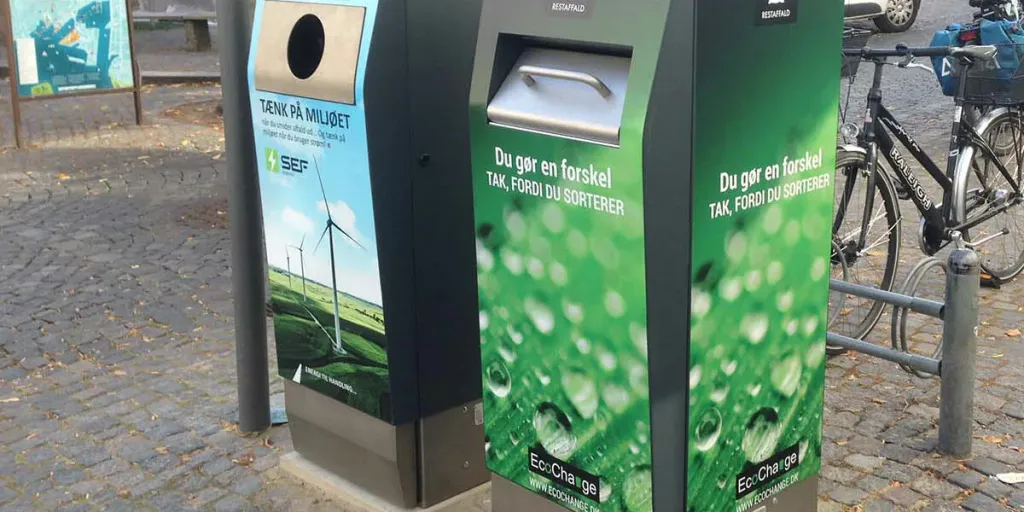 ArticleLuca Di Leone
Smart bins and access control: how digital eco-islands work
Access control, badges and telemetry: what to specify when designing an eco-island with fill-level data and user management.
Read article ArticleLuca Di Leone
How to design an underground eco-island: space, capacity, vehicles and civil works
Designing an underground eco-island: volumes, fractions, layout, traffic, collection vehicles, civil works and emptying systems to define before procurement.
Read article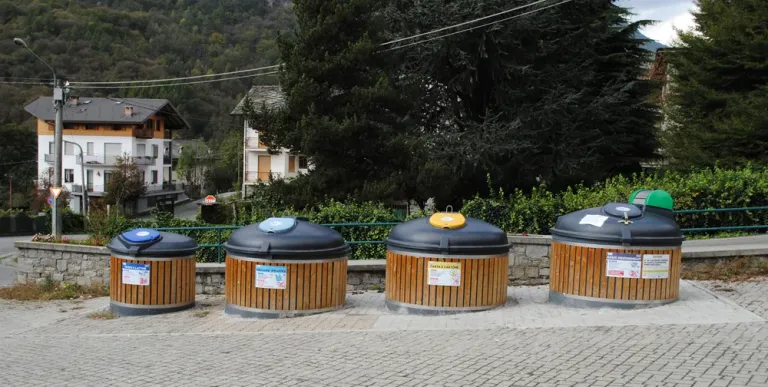 ArticleLuca Di Leone
Underground and semi-underground containers for hotels, resorts and campsites: layout, vehicle access and screening
Underground and semi-underground containers for hospitality: organising space, vehicle access, sorting and bin screening.
Read article


