
Guides and resources
Smart collection: actionable data for municipalities and operators
Hardware and software should support route planning and citizen communication, not add complexity without operational return.
At a glance
Smart collection combines fill sensors, access control and, where needed, solar compacting connectivity at high-traffic points and high-capacity underground islands.
On Sotkon APTO bells the Sotkis ecosystem covers access and monitoring; at street level Ecobac compacting litter bins provide telemetry and remote management.
Value for the municipality or operator appears when data feeds real processes (route planning, overflow response, citizen communication), not when sensors are added without operating rules.
Why adopt smart collection
Empty runs, overflow and complaints about full islands are costly for operators and damage trust in public service.
Reliable fill and access data help move vehicles where needed and support PAYT where regulations allow.
Without telemetry, many islands are emptied on a fixed calendar: fuel and time are wasted or saturated points are served late.
Smart collection does not fix undersized islands or chronic mis-sorting on its own: it needs adequate capacity and clear user rules.
Implementation criteria
Start with critical nodes (heritage cores, stations, markets) before rolling sensors across the whole network.
Check integration with the operator platform, network coverage, power and field maintenance.
Define who handles alerts, firmware and part replacement in the service contract.
Set measurable KPIs (fewer empty runs, mean overflow response time, unauthorised access incidents) before investment.
Assess privacy and data processing if access is personalised or card-based.
Building blocks in the Bunder Waste range
Compacting litter bins (Ecobac): compaction and connectivity for intense pedestrian flows.
Sotkon APTO underground bells with Kynetik or Qubus F chutes compatible with Sotkis access and fill options.
F90 emptying on APTO when smart service includes high-frequency islands and bilateral collection.
Chute choice affects deposit ergonomics, controlled access and sensor placement without compromising seals.
Where telemetry pays off
Prioritise islands with highly variable fill (tourism, events, markets) over predictable residential nodes.
Compactors suit pedestrian areas where compaction cuts visible emptying frequency and connectivity justifies cost.
Fill sensors on APTO support planning but need calibration and maintenance: include them in the service specification.
Avoid stacking sensor, compaction and access logic on the same stream without a clear operational benefit.
Data and processes
Sensors support planning but do not replace service rules, minimum frequencies and plant hygiene.
Train crews and call centres on alert thresholds to avoid false dispatches or late overflow response.
Feed alerts into existing dispatch (tickets, driver apps, control room) instead of a second ignored channel.
Review thresholds twice a year for seasonality and demand changes.
Contract risks to manage
Batteries, modems and parts exposed to vandalism or moisture: define spares and restoration times.
Connectivity dependency: define fallback calendar collection when the network is down.
Firmware updates: who approves, tests and pays for downtime.
For Sotkis on APTO and Ecobac integrations, request current sheets at info@bunder.it with island list and management platform.
Products to review
Compacting litter bins, Sotkon APTO underground bells, Sotkon Kynetik and Qubus F chutes, F90 emptying on APTO page.
To align vehicles and lift modes on high-capacity smart islands, see the collection vehicle compatibility guide.
Operational steps for municipality and operator
Map candidate islands or bins and estimate current annual cost of empty runs.
Choose a data platform and verify API or export to route planning software.
Run a pilot on 5-15 points with written success criteria and fixed duration.
Train drivers and control room on overflow alert procedures before scaling the network.
Include supplier SLA on batteries, modems and sensor replacement in the contract.
After the pilot, decide whether to scale, change thresholds or limit smart to high-impact nodes only.
Products that may fit your project
For projects like yours, many Bunder Waste customers start with these solutions. Compare capacity, use case and configurations before you get in touch for a quote.
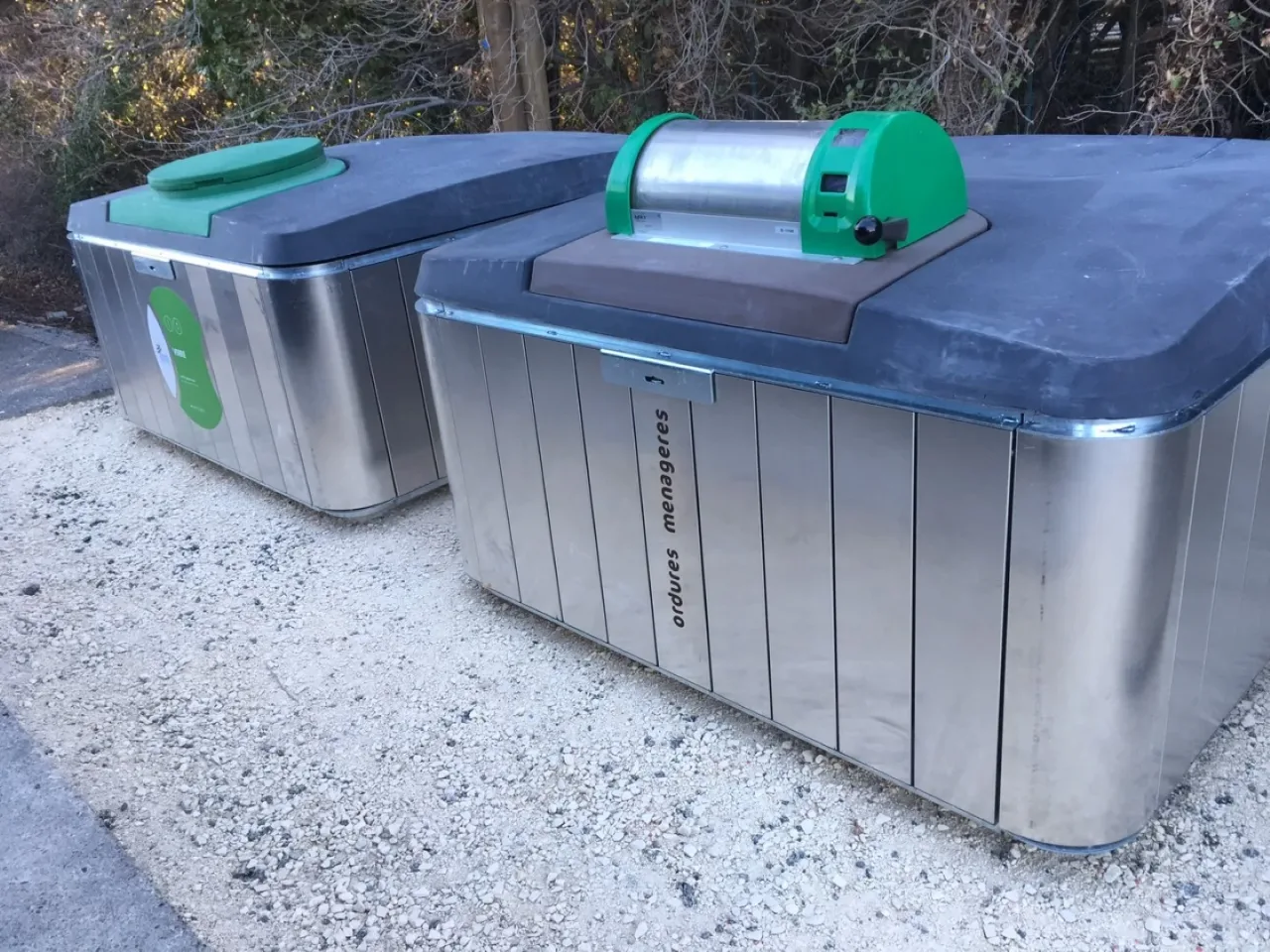
Telemetry · Bunder Waste
Fill-level sensors and monitoring
Fill-level sensors measure how full each island node is in near real time: they show which points to empty first, flag overflow risk early and send vehicles on…
View product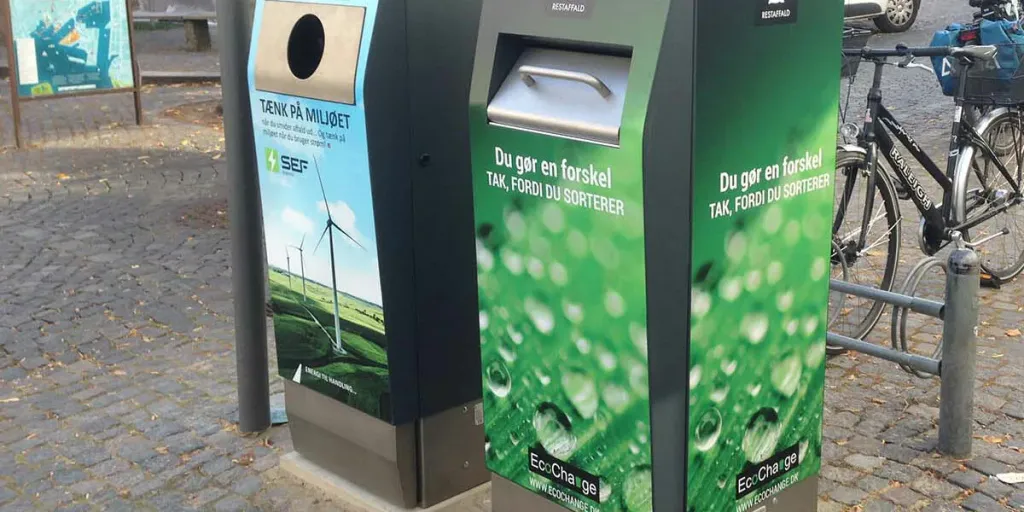
Traflux · WasteMate
Compacting litter bins
WasteMate smart street litter bins, with built-in compactor and solar power, are distributed by Bunder Company SRL and are available in 120 L and 240 L capacit…
View product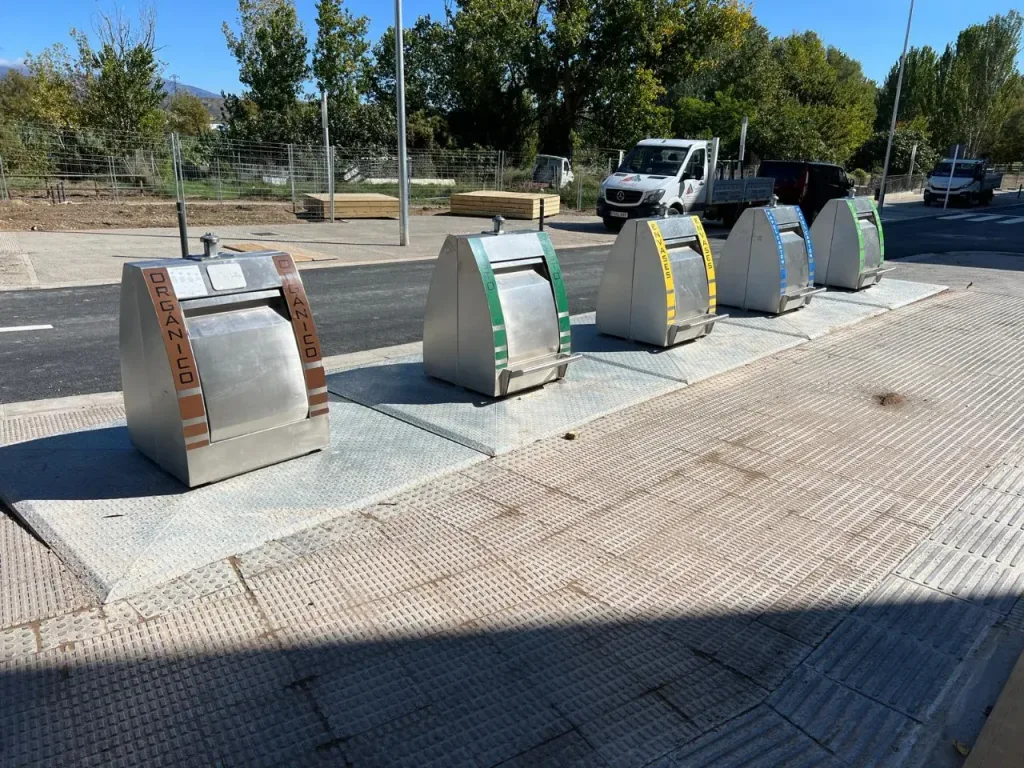
Sotkon · APTO
Underground bell-shaped containers
Sotkon’s APTO system, distributed in Italy by Bunder Company SRL under Bunder Waste, holds 3 to 5 m³ below grade with a monolithic shell, hot-dip galvanised st…
View product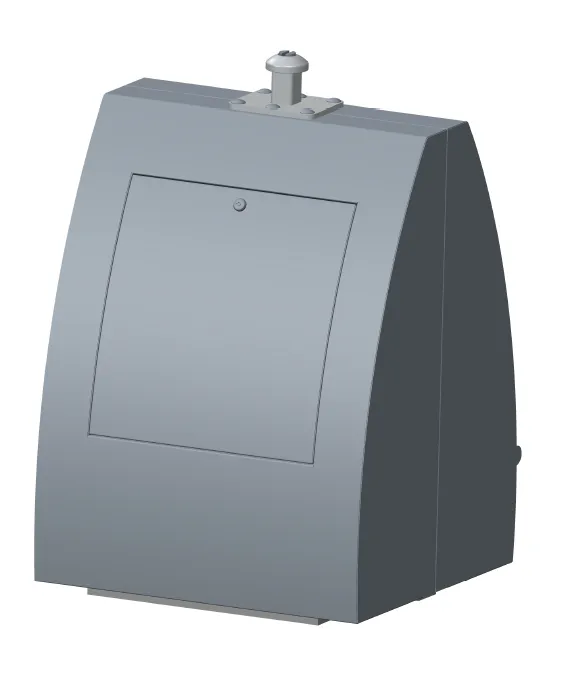
Sotkon · Kynetik
Torrini per conferimenti
Sotkon’s Kynetik chute complements APTO islands with urban stainless-steel design: ergonomic depositing, outdoor durability and stream-specific customisation.
View productSotkon · Qubus F
Torrini per conferimenti
Sotkon’s Qubus F chute from the APTO F collection brings contemporary lines, metallic finishes and optional Sotkis smart accessories (access, fill level, PAYT)…
View product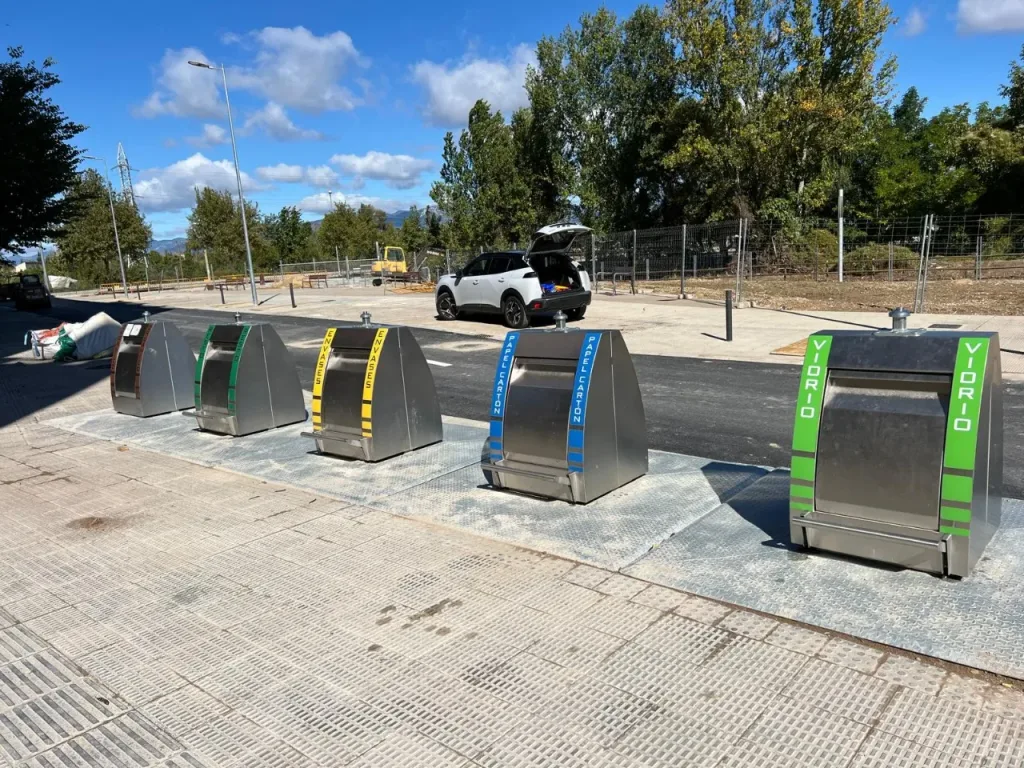
Sotkon · APTO · F90
Presa e raccolta APTO
On Sotkon APTO underground bells, the F90 coupling enables bilateral collection with a cab-controlled crane, alongside FLEX Kinshöfer and other lift options.
View product


FAQ
Answers for your project
Does every island need smart features?
No. Prioritise high-traffic sites, tourist areas and islands where empty runs are expensive.
Must APTO and Sotkis be used together?
Sotkis is the optional ecosystem for access and fill on APTO. Configuration depends on specification and operator.
Do compacting bins replace bells?
No: compactors cover pedestrian volumes; underground bells remain the answer for neighbourhood capacity and multiple streams.
What in-house skills are needed?
An IT owner for integrations, an operations owner for thresholds and maintenance, and supplier agreements for updates and spares.