
Guides and resources
Waste collection in historic centres: designing underground collection systems
How to design waste collection in historic centres with underground containers: constraints, capacity, urban integration and Sotkon APTO.
Waste collection in historic centres: designing systems with underground containers
Ways to integrate source-separated collection in high-value urban settings while reducing above-ground bin footprint and improving service organisation.
Waste management in historic centres is among the toughest challenges for municipalities and hygiene service operators. Narrow streets, architecturally sensitive squares, heavy pedestrian use and limited space make it hard to balance sorting requirements with protection of the urban context.
Traditional street bins, especially when numerous or large, occupy significant surface area, interfere with pedestrian routes and harm the perception of public space.
Underground collection systems can address these needs by moving storage volume below pavement level, limiting visible equipment and organising deposit points that fit the surroundings.
Choosing an underground system still requires a thorough review of site conditions, service needs and emptying methods.
Main challenges in historic centres
Limited space for pedestrians, authorised vehicles and service operations.
Urban image where bulky bins clash with heritage paving and building fabric.
Separate collection needing clearly identified, adequately sized deposit points.
Accessibility for residents, operators, people with reduced mobility and collection vehicles.
Underground constraints including utilities and archaeological or landscape protection rules.
How underground containers work
Containers sit in structures below pavement level; users deposit through surface chutes or towers. Configuration depends on technology and collection mode. Underground placement concentrates volume with a smaller surface footprint than rows of street bins.
Architectural integration
The goal is functional, recognisable stations that respect context: surface elements limited to chutes, platform finishes aligned with paving, compliance with authority requirements and safe daily use.
Sizing capacity
Do not rely on resident counts alone. Account for commerce, tourism, seasonality, fractions, collection frequency and usable volume versus nominal capacity. See also how to design an underground eco-island.
Utilities, excavation and constraints
Verify excavation space, utility conflicts, geotechnics, groundwater and permits before fixing locations. Not every site suits underground containers.
Vehicle compatibility
Emptying methods must match the operator's fleet: lift couplings, manoeuvring space and safe working zones. Involve the service provider early. Sounete Back and Side platforms can bury standard wheeled or stationary bins while keeping existing rear or side collection logic.
A system to consider: Sotkon APTO
For high capacity with limited surface equipment, Sotkon APTO (distributed by Bunder Waste) uses galvanised steel containers in concrete shells, surface chutes, 3, 4 or 5 m³ nominal volumes, safety platform during lifting and couplings such as Kinshöfer FLEX, hooks or F90 subject to fleet checks.
Discover Sotkon APTO underground bells
Integrated island design
Balance technology, access, urban integration and operations. Map existing problems, suitable areas, volumes and network distribution of deposit points.
Maintenance and lifecycle costs
Plan cleaning, moving parts inspections and access for service. Include civil works, fleet adaptations and long-term OPEX in the business case.
When underground containers make sense
Especially when visible bulky bins are the main issue in space-constrained public realm. Not universal: civil cost, utilities and vehicle needs may favour alternatives.
From screening to solution choice
Coordinate municipality, designers, operator and suppliers. Preliminary assessment reduces risk before detailed design.
Let's assess the right system for your historic centre
Bunder Waste supports public authorities, operators and designers on underground collection.
SEO title: Underground containers in historic centres: guide
Meta description: How to design waste collection in historic centres with underground containers. Constraints, capacity, urban integration and Sotkon APTO.
Products that may fit your project
For projects like yours, many Bunder Waste customers start with these solutions. Compare capacity, use case and configurations before you get in touch for a quote.
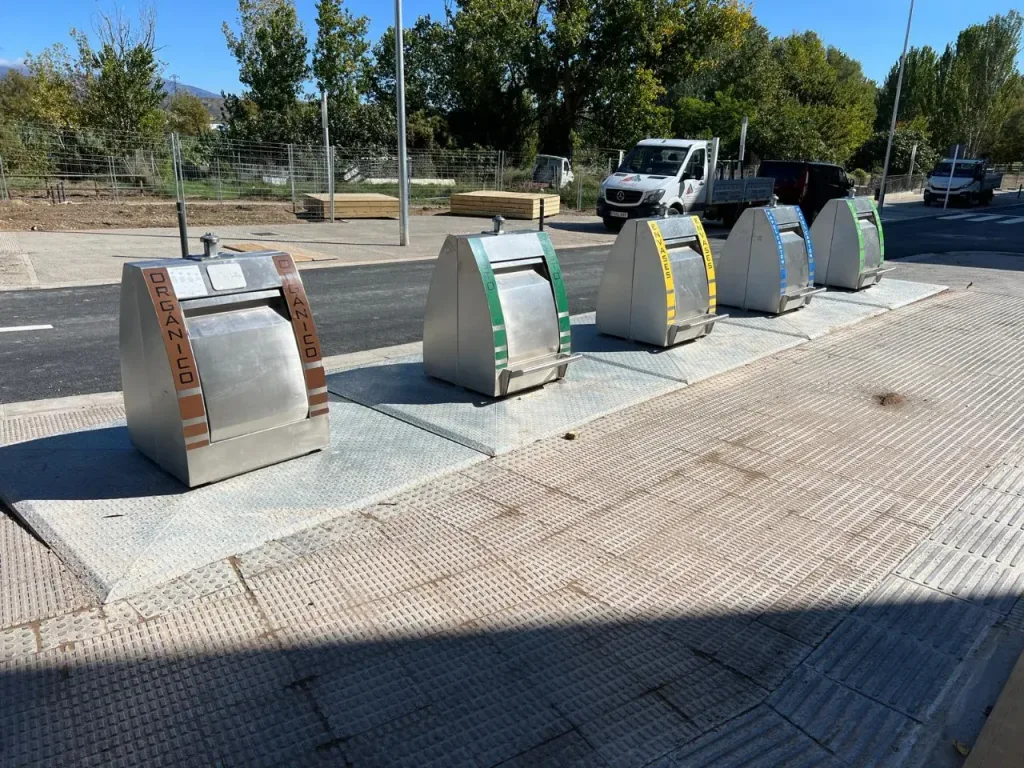
Sotkon · APTO
Underground bell-shaped containers
Sotkon’s APTO system, distributed in Italy by Bunder Company SRL under Bunder Waste, holds 3 to 5 m³ below grade with a monolithic shell, hot-dip galvanised st…
View product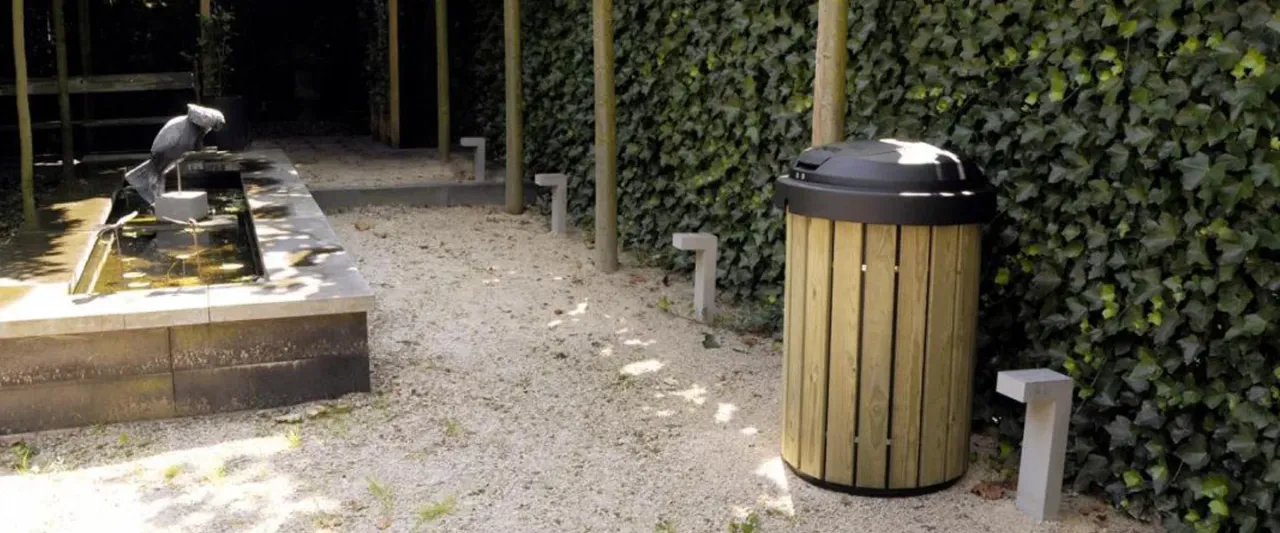
Traflux · UrBin
Semi-underground litter bins
Where most street litter bins have traditionally been quite small, Bunder's semi-underground litter bins allow 200 L and 300 L volumes to be collected below gr…
View product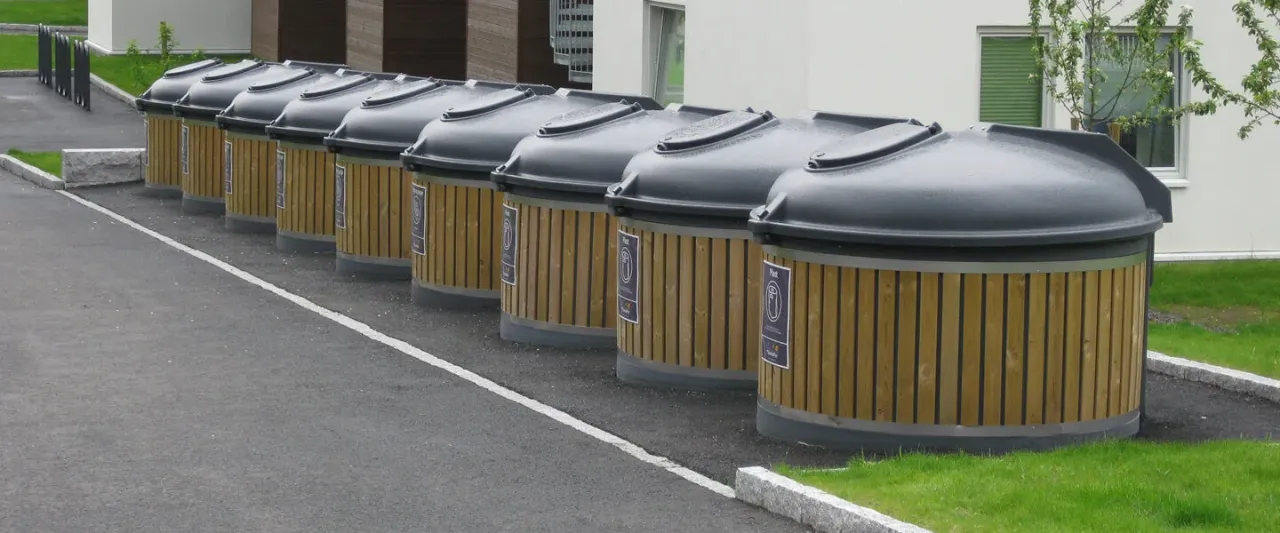
Traflux · ZBin
Semi-underground polyethylene containers
Semi-underground and above-ground polyethylene bell units for source-separated collection: configure internal bag, PE tub or steel liner, capacities up to 5,00…
View product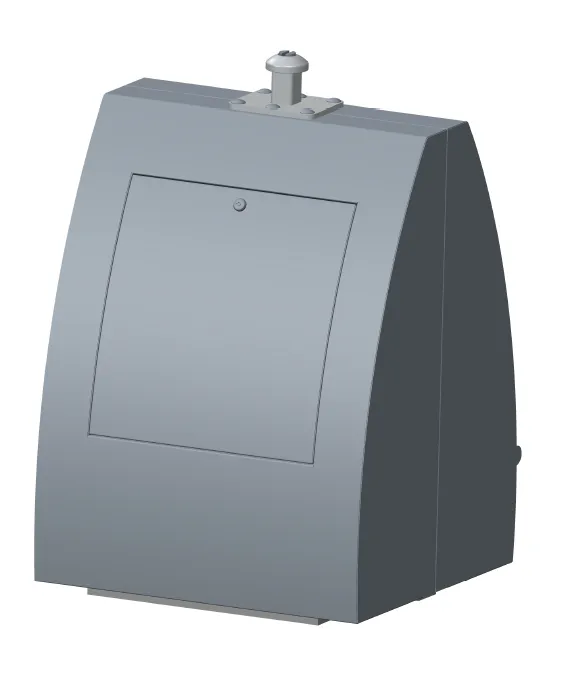
Sotkon · Kynetik
Torrini per conferimenti
Sotkon’s Kynetik chute complements APTO islands with urban stainless-steel design: ergonomic depositing, outdoor durability and stream-specific customisation.
View product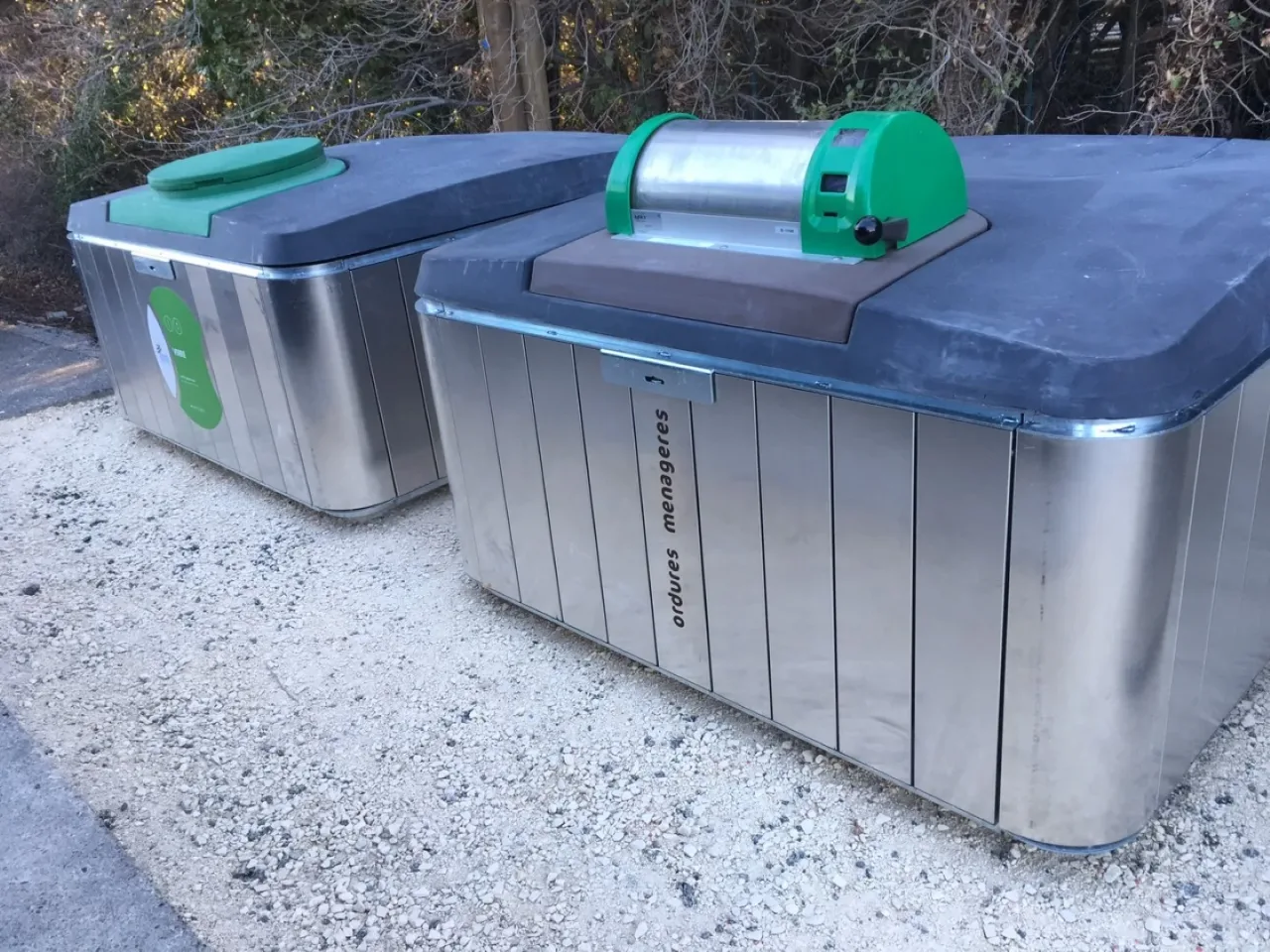
Sotkon · Qubus F
Torrini per conferimenti
Sotkon’s Qubus F chute from the APTO F collection brings contemporary lines, metallic finishes and optional Sotkis smart accessories (access, fill level, PAYT)…
View product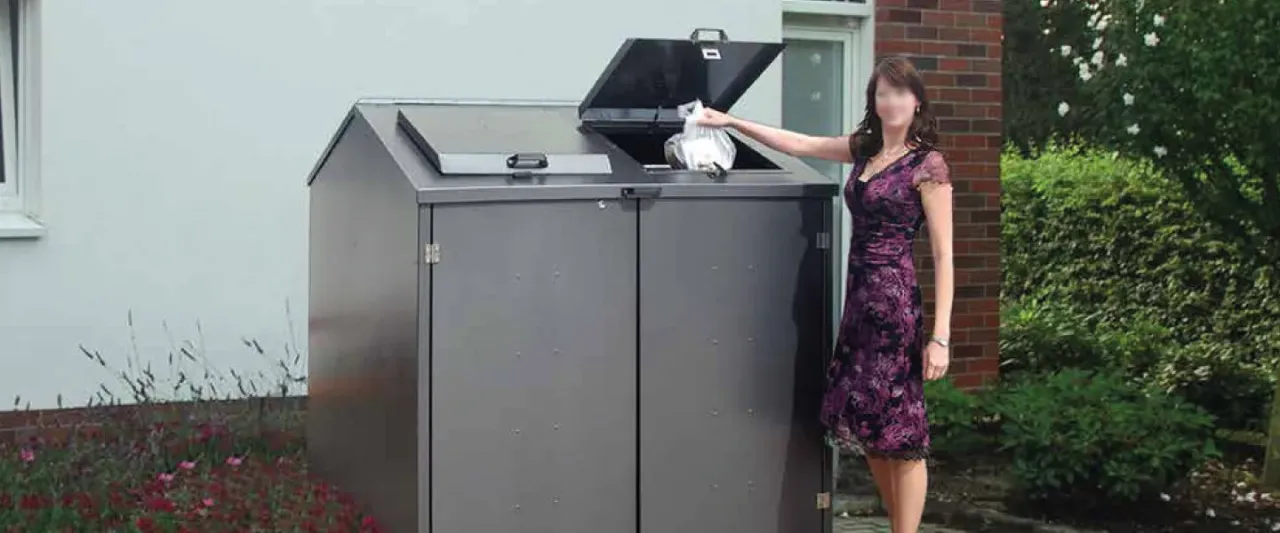
Secomat
Container screening enclosures
For historic centres, residential complexes and public areas such as service stations, parks or marinas, Bunder offers Secomat series container screening enclo…
View product


