Underground and semi-underground
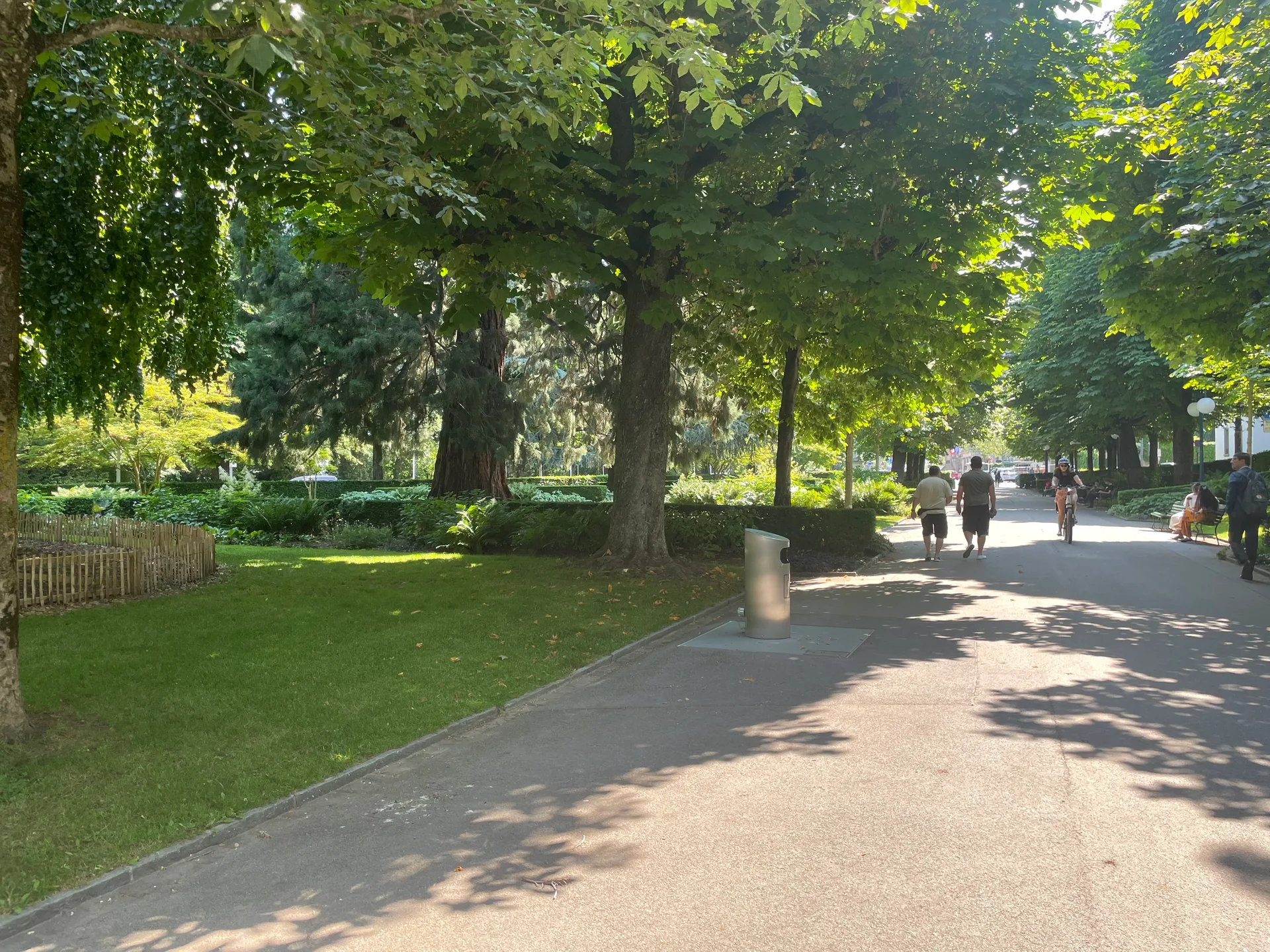
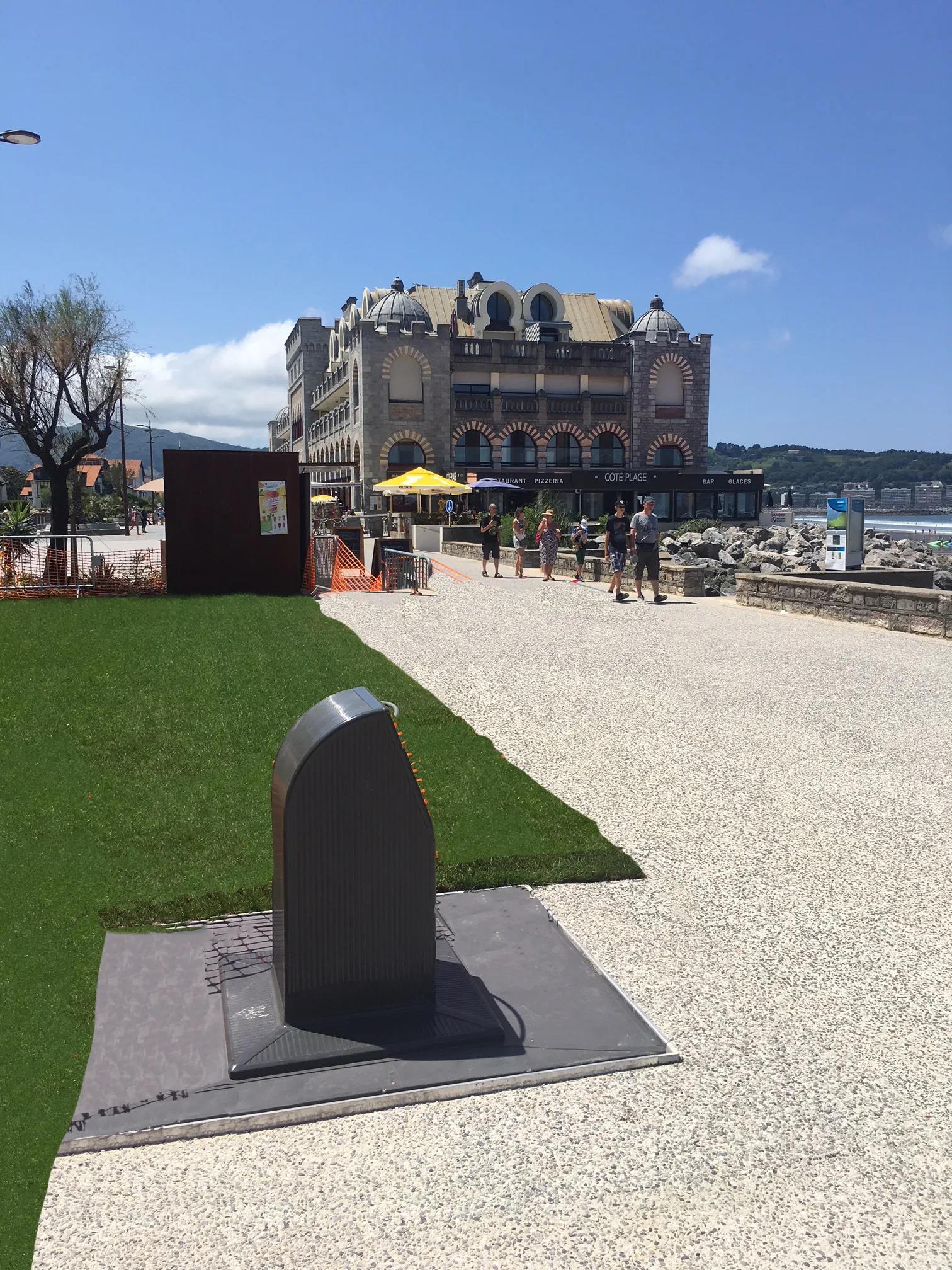
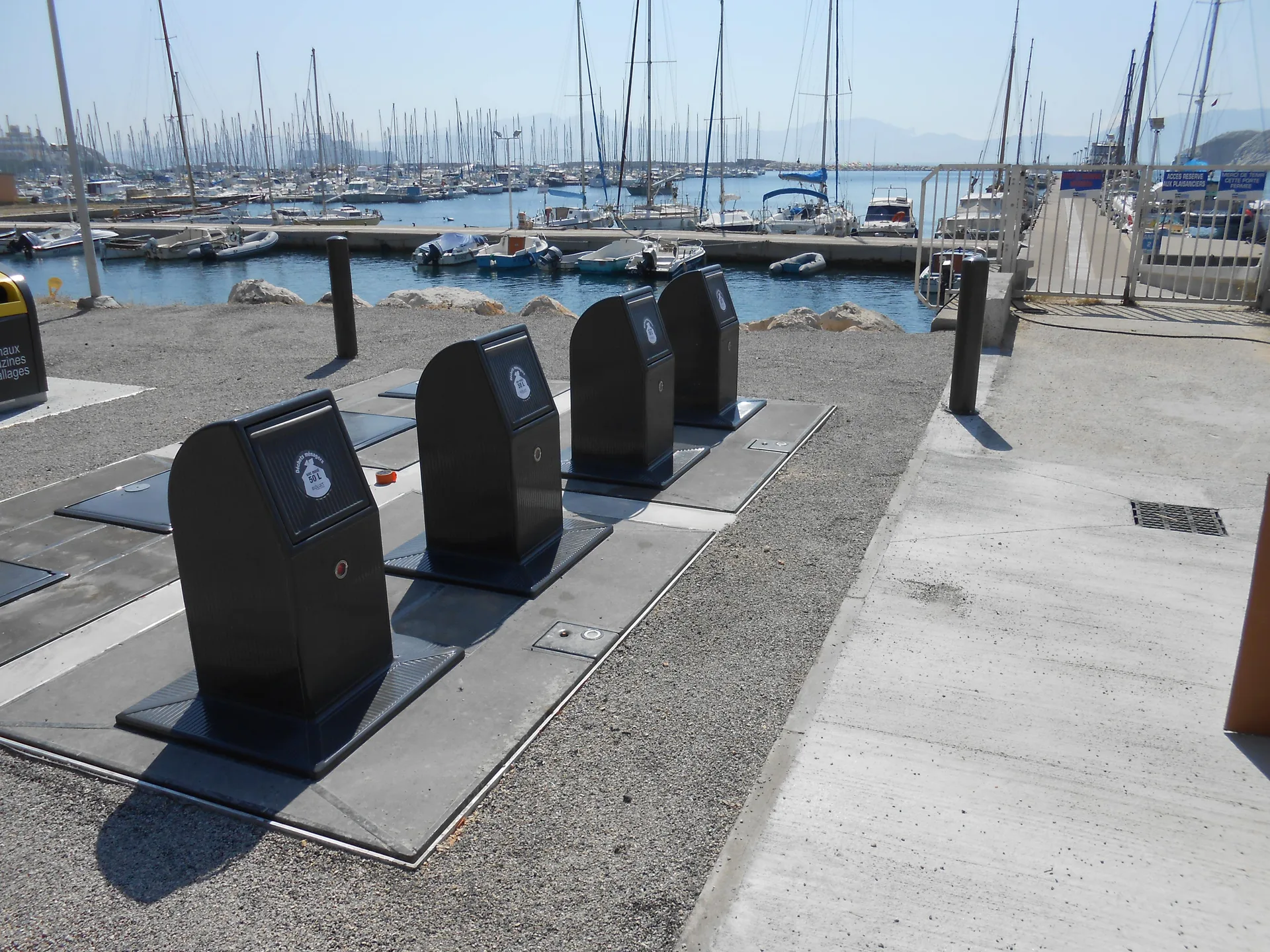
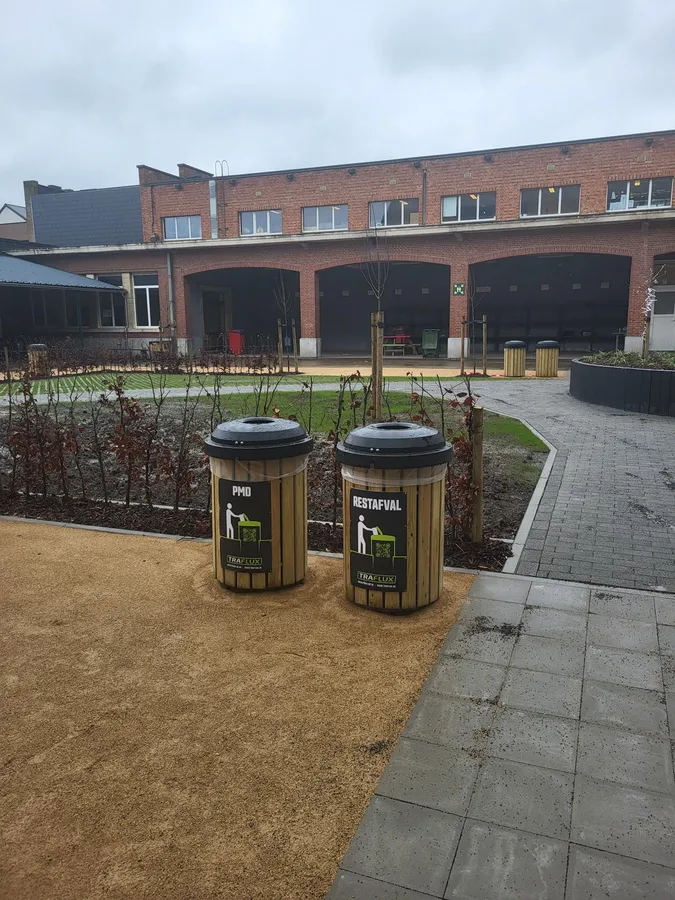
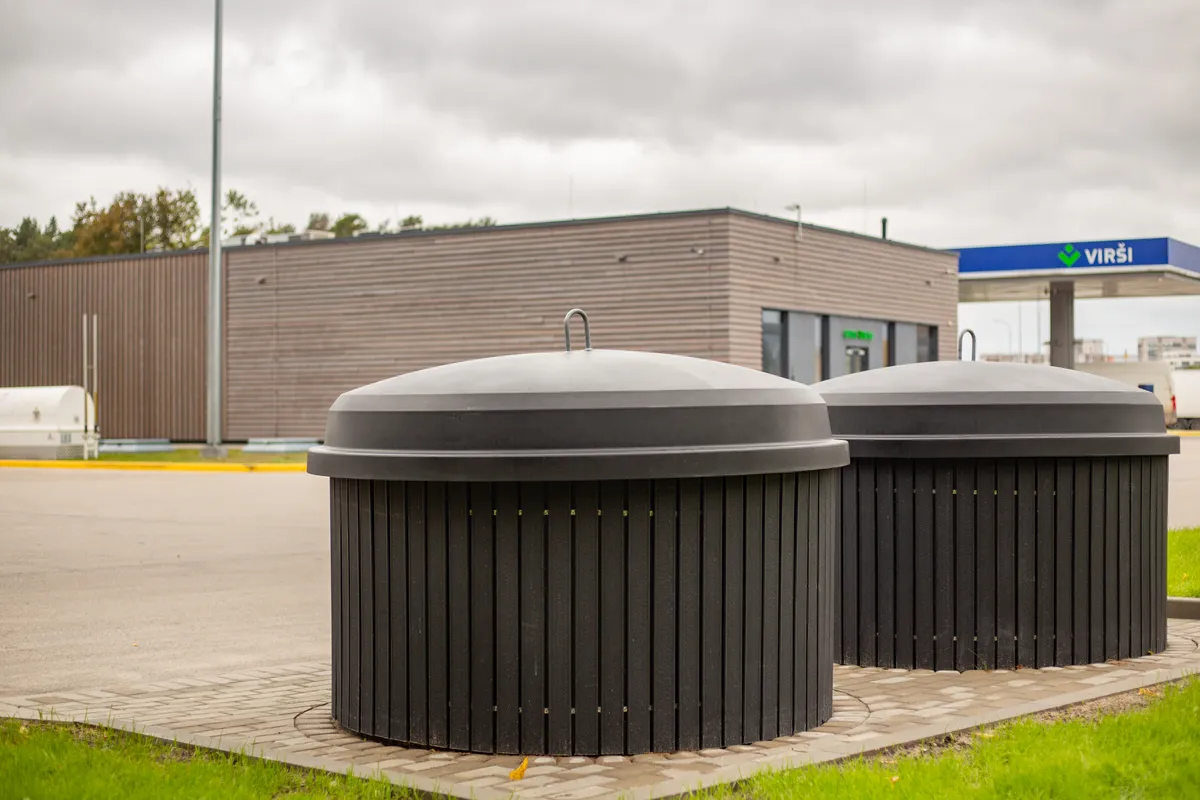
Steel bells (3–5 m³), semi-underground containers (Traflux and Ecollect lines) and below-grade litter bins: one range for neighbourhood islands and historic centres.
Underground bells, semi-underground units and platforms to balance collection capacity, service needs and visible clutter in tight urban spaces.
For municipalities, environmental operators, designers and collection service providers configuring neighbourhood collection with underground systems, hydraulic platforms and complementary solutions.
Recognise your situation
Street-level space, island capacity, vehicles already in service, or access control and fill levels: four recurring questions to guide system choice.
Move volume below grade with underground bells, semi-underground units and platforms: less visible clutter, same collection service.
Clearance, streetscape and above-ground footprint are the main constraint.
Product families
The Bunder Waste catalogue spans three ranges: underground and semi-underground volumes for islands and historic centres, platforms for standard bins, and above-ground complementary systems for streetscape, compaction and screening.
Steel bells (3–5 m³), semi-underground containers (Traflux and Ecollect lines) and below-grade litter bins: one range for neighbourhood islands and historic centres.
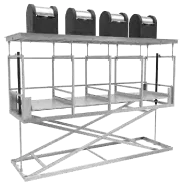
Recessed and hydraulic platforms for bins from 1,100 to 3,200 L: safe lifting, minimal street-level footprint and compatibility with your existing collection vehicles.

Above-ground Vetroplast Bell-e bilateral bells, solar compacting litter bins (WasteMate line) and Secomat screening structures for visible bins and containers.
Operational contexts
Territorial and usage contexts: each page links service needs, compatible product families and guides to go deeper.
Underground eco-islands with steel inlets in an urban setting
Design criteria
Sizing the drop-off point, fleet compatibility, footprint and civil works, configurations and deposit systems: the references for specifications and layout before product choice.
Layout sketch, manoeuvring lanes, utility conflicts and building setbacks to capture in the specification.
Volume balance per fraction, emptying frequencies and number of drop-off points to size.
Vehicle compatibility sheet: lift gear, bin or bell type, loading mode and safety requirements during emptying.
Excavation, foundations, drainage and access for routine and extraordinary maintenance.
How we work
A four-step operational path: context review, system choice, configuration definition and technical-commercial support through to supply.
We assess available space, waste volumes, collection streams and how the service runs day to day.
We compare underground, semi-underground and platform options against your site and vehicle fleet.
We factor in capacity, lifting gear, materials, finishes and technologies available in the catalogue.
We provide technical and commercial information to identify the most appropriate solution for your project.
Guides & insights
Evergreen guides and articles on urban contexts, system choice and historic centres, with links to Bunder Waste solutions and product families.

Designing an underground eco-island: volumes, fractions, layout, traffic, collection vehicles, civil works and emptying systems to define before procurement.

Bells, hydraulic platforms or underground stationary bins: how to match the underground eco-island to road layout, collection vehicles and users.

Underground and semi-underground are not the same: construction, visual impact, maintenance and vehicle compatibility to assess at design stage.

How to design waste collection in historic centres with underground containers: constraints, capacity, urban integration and Sotkon APTO.

How underground bins work, main configurations, cost drivers and when the solution genuinely supports your collection service.

What to include in a tender spec for an underground island: performance, civil works, vehicles, maintenance, safety and acceptance criteria.
About us
We design and supply systems for urban separate collection: underground and semi-underground containers, bin platforms, underground litter bins and components for eco-islands that cut visual clutter and noise while keeping capacity and service quality.
We support municipalities, environmental operators and design teams from site analysis through product and configuration choices, with technical data, urban scenario guides and dedicated commercial support. Same commercial organisation and contacts as Bunder Company, focused on neighbourhood collection and underground systems.
Bunder Company, based in Bari, develops environmental and energy solutions beyond the Waste division. For group history, other divisions and central contacts visit bunder.it.
Certifications
Bunder Company SRL operates certified management systems for quality, environment, occupational health and safety, and gender equality. These are company certifications, not certifications of individual containers or products.
UNI EN ISO
ISO 9001
Quality management system certified to UNI EN ISO 9001.
UNI EN ISO
ISO 14001
Environmental management system certified to ISO 14001.
UNI EN ISO
ISO 45001
Occupational health and safety management system ISO 45001.
UNI/PdR
Gender equality
Gender equality policy under UNI/PdR 125:2022 guidelines.
Testimonials
Bunder Waste shares Bunder Company’s commercial team and approach. Testimonials reflect work with the group in the environmental sector; they do not necessarily relate to underground system purchases. Read all testimonials.
Quando gestisci gli acquisti per un’azienda che lavora sul territorio, non puoi permetterti fornitori difficili da raggiungere o soluzioni poco aderenti alle necessità operative. Nel tempo abbiamo trovato in Bunder un riferimento affidabile, con persone preparate e disponibili a confrontarsi anche sugli aspetti più specifici. Per noi conta molto la concretezza: capire rapidamente cosa serve e arrivare alla soluzione giusta.

Alessandro Masoni
Responsabile AcquistiImpregico SRL
FAQ
These answers summarise the Bunder Waste offer for municipalities, environmental service providers and designers. Contact us anytime for site-specific projects. View all frequently asked questions.
Bunder Waste is the specialist brand of Bunder Company SRL for urban technologies and neighbourhood eco-islands: underground, semi-underground and above-ground containers, hydraulic platforms, smart litter bins, and access control and fill-level monitoring systems. A dedicated brand means focused product range, messaging and commercial support for these solutions, with configurations and advice tailored to municipalities, environmental service providers and designers integrating collection into urban space.
Underground steel bell containers (3–5 m³) suit eco-islands emptied with loader vehicles. Semi-underground units combine a shell (polyethylene or concrete) and an internal container up to 5,000 L, leaving part of the surface clear. The choice depends on volumes, collection vehicles and site constraints.
Underground platforms allow wheeled bins (1,100–1,700 L) or static bins (up to 3,200 L) with less visual clutter. They fit rear- or side-loading collection in tight urban spaces.
Yes. The Bunder Waste range can include hardware and software for access control and/or fill monitoring on underground, semi-underground and above-ground containers. Options are defined during the commercial project phase.
Use the contact form on this site with product, volumes and site constraints, or email info@bunder.it or call the number on the contact page. The Bunder Company commercial team handles Bunder Waste and the wider group offer.
It is a collection point embedded in urban space, close to users, with underground, semi-underground or above-ground containers that reduce visual clutter and odours compared with exposed bins. Bunder Waste designs layouts for districts, squares, service areas and hospitality sites, aligning volumes, waste streams and emptying methods with the local collection service.
Often yes, when the goal is to free pedestrian space and improve streetscape quality without sacrificing capacity. Underground bells, semi-underground units or low-profile platforms can fit lanes and squares where space, vehicle access and heritage constraints allow. During the project we assess footprints, collection frequency and emptying types with the client.
We start from equivalent population or users served, collection frequency, streams (residual, organic, paper, glass, etc.) and the emptying vehicle. Underground bells are sized in cubic metres (typically 3–5 m³); semi-underground units and platforms in internal container or bin litres. The Bunder Company commercial team maps these inputs to available Bunder Waste products.