
Guides and resources
Waste collection in historic centres without losing capacity or streetscape quality
For municipalities and designers: keep bins below grade or compact while meeting sorting, hygiene and vehicle compatibility requirements.
At a glance
Historic centres work best when capacity sits underground or in compact volumes, with discreet chutes and emptying matched to the existing fleet.
Typical combinations include Sotkon APTO underground bells (3-5 m³), litter bins with underground volume and polyethylene semi-underground units where full burial is constrained.
Read access rules, service frequency and pedestrian routes together: a well-sized island reduces scattered bins without pushing walk distances or overflow onto side streets.
Problem and context
Narrow streets, restricted access, heritage rules and pedestrian flows make visible street bins for every stream hard to place.
Service must still deliver hygiene, user safety and emptying intervals the operator can sustain.
Residents, shops and tourism often peak at different times, so design needs reserve capacity or extra discreet drop-off points.
Common complaints involve odours, bins left on pavements, blocked footways and vehicles that cannot complete emptying in one stop.
Design criteria
Define volumes per stream, walk distance for citizens and collection frequency before choosing a product family.
Check burial depth, utilities, gradient and site access: these often drive the solution more than upfront cost.
Align chutes, fraction signage and finishes with local building rules or heritage guidance where applicable.
Allow space for pedestrian movement, open lids and temporary works without further narrowing the carriageway.
Agree deposit rules (hours, access, labelling) with the operator before fixing the number of surface openings.
Sizing and island layout
For underground bells, start from weekly volume per stream, days between collections and a safety margin for tourism or events.
Nominal APTO sizes from 3 to 5 m³ suit many layouts, but chute count and stream split affect usability as much as gross volume.
Use underground litter bins where a low-volume proximity point is enough (lanes, pedestrian squares, monument access) without a full bell island.
Polyethylene semi-underground units can reduce excavation depth when ground level is high or utilities limit the pit.
When drawing the layout, trace the vehicle path to the lift point, lid swing and minimum clearance from doorways and street furniture.
Recommended Bunder Waste systems
Sotkon APTO underground bell containers: monolithic shell, stainless chutes and top-loading emptying (Kinshöfer FLEX, hooks, Palpeur or F90) with container, platform and chutes as one system.
Underground litter bins for low-volume points with minimal above-ground footprint.
Polyethylene semi-underground units as a middle ground between full burial and visible bins.
On APTO, chute choice (standard, Kynetik, Qubus F) affects plan footprint, deposit ergonomics and compatibility with controlled access or fill-level options in the Sotkis ecosystem.
Site works and commissioning
Before excavation, survey useful depth, water table, gradient and utility routes; in heritage cores, as-built records are not always exact.
Site logistics need truck access, temporary storage for the shell and reinstatement times that fit local traffic.
After installation, check platform level, seal integrity, locks and that fraction signage matches the internal configuration.
A first week of service with the operator surfaces sizing or pedestrian-flow issues before they become structural complaints.
Operations and vehicles
Before ordering, match vehicle equipment, lifting gear and island layout; mismatches block service or add costly extra rounds.
For APTO chutes and smart access, review Kynetik and Qubus F variants in the Sotkon range supplied by Bunder Waste.
Request technical packs and specifications from the commercial team with location, streams and volume estimates.
In tight lanes, check boom reach, lift angle and need to manage stopping bays; a peripheral bell plus proximity litter bins is sometimes the workable mix.
Align emptying windows with access bans, markets and shop hours to reduce conflict with residents and traders.
Maintenance and long-term management
Underground bells need periodic checks on seals, waste fall and chute cleaning; moisture and wrong streams accelerate wear and odours.
Specify in the tender who handles extraordinary emptying, clean-outs and part replacement (locks, sensors, finishes) and response times.
User education on streams, volumes and hours remains part of the system; capacity and technology do not fix chronic mis-sorting on a small footprint.
Checks before you commit
Confirm contract vehicles can perform the intended lift (FLEX, hooks, Palpeur, F90) on the designed island.
Verify burial depth and plan size fit ground conditions and any heritage limits on visible elements.
Check walking distance between deposit points stays acceptable for residents, especially when surface bin counts drop.
Ask for current technical sheets and typical layouts; for specifications and detailed dimensions, contact the Bunder Waste team at info@bunder.it with project data.
Products to review
Underground bell container family page, underground litter bin page, polyethylene semi-underground page, Sotkon Kynetik and Qubus F chute pages linked to APTO.
For emptying modes and vehicle fit, see the collection vehicle compatibility guide in Insights.
Operational steps for municipality and operator
Gather volume, stream and complaint data for the last 12 months before fixing island layout.
Hold a site visit with designer, operator and supplier on vehicle access and real burial depth.
Include chute finishes, seal maintenance and repair times in the specification.
Brief retailers on construction hours and new deposit points.
At 90 days after launch, review frequency and saturation and adjust capacity or openings if needed.
Products that may fit your project
For projects like yours, many Bunder Waste customers start with these solutions. Compare capacity, use case and configurations before you get in touch for a quote.
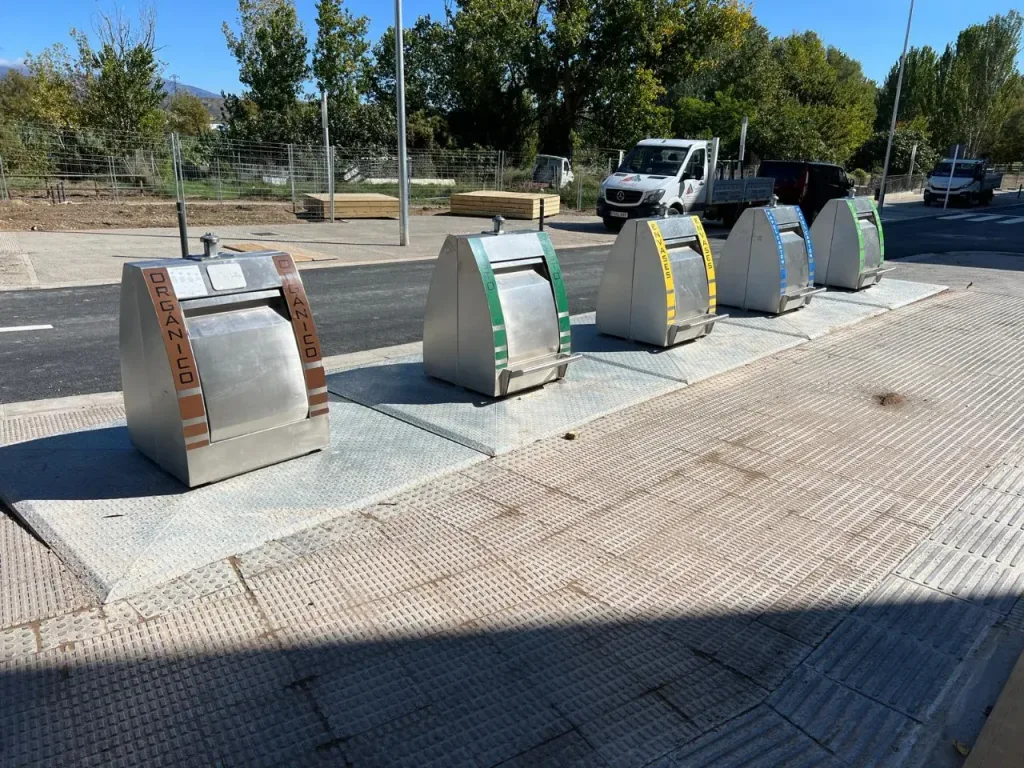
Sotkon · APTO
Underground bell-shaped containers
Sotkon’s APTO system, distributed in Italy by Bunder Company SRL under Bunder Waste, holds 3 to 5 m³ below grade with a monolithic shell, hot-dip galvanised st…
View product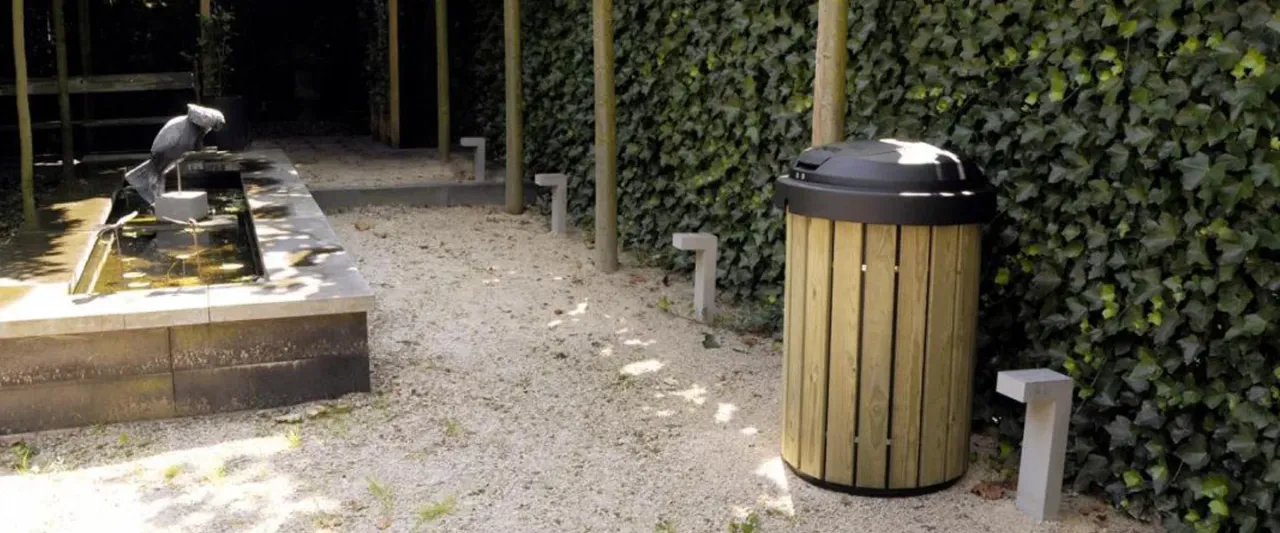
Traflux · UrBin
Semi-underground litter bins
Where most street litter bins have traditionally been quite small, Bunder's semi-underground litter bins allow 200 L and 300 L volumes to be collected below gr…
View product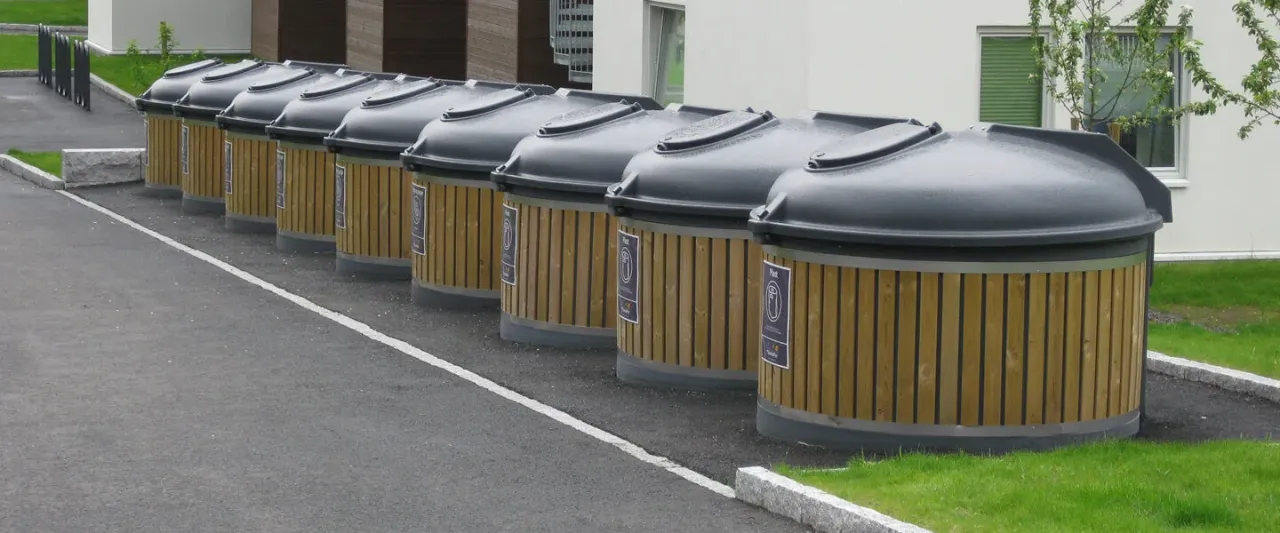
Traflux · ZBin
Semi-underground polyethylene containers
Semi-underground and above-ground polyethylene bell units for source-separated collection: configure internal bag, PE tub or steel liner, capacities up to 5,00…
View product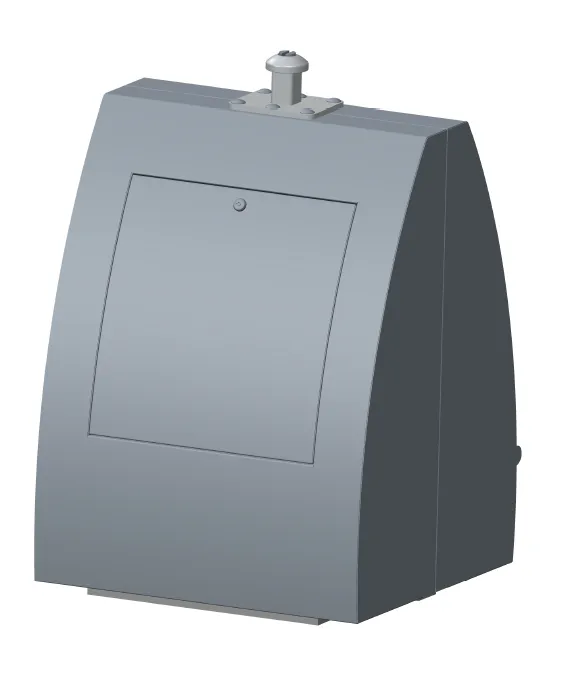
Sotkon · Kynetik
Torrini per conferimenti
Sotkon’s Kynetik chute complements APTO islands with urban stainless-steel design: ergonomic depositing, outdoor durability and stream-specific customisation.
View product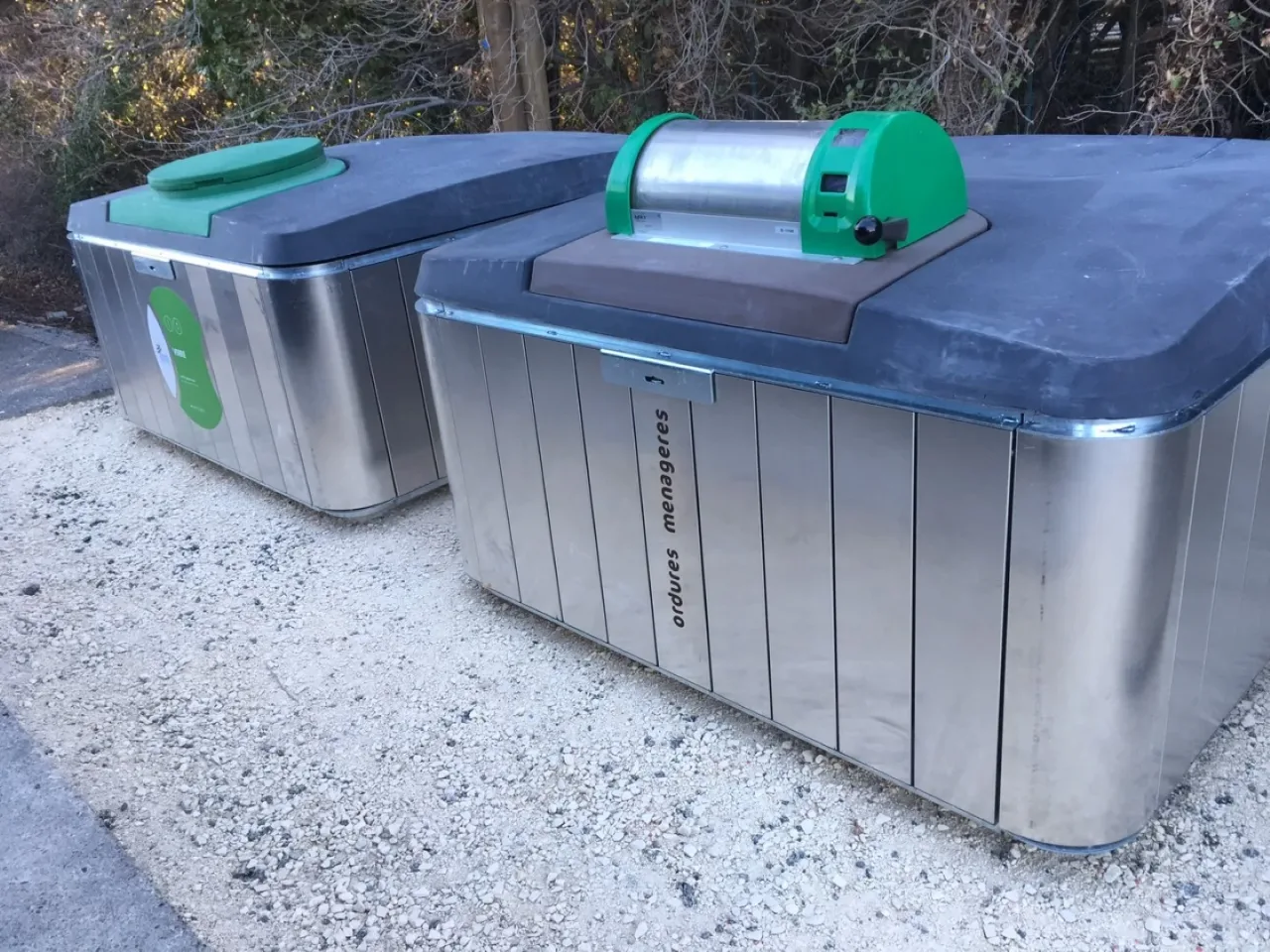
Sotkon · Qubus F
Torrini per conferimenti
Sotkon’s Qubus F chute from the APTO F collection brings contemporary lines, metallic finishes and optional Sotkis smart accessories (access, fill level, PAYT)…
View product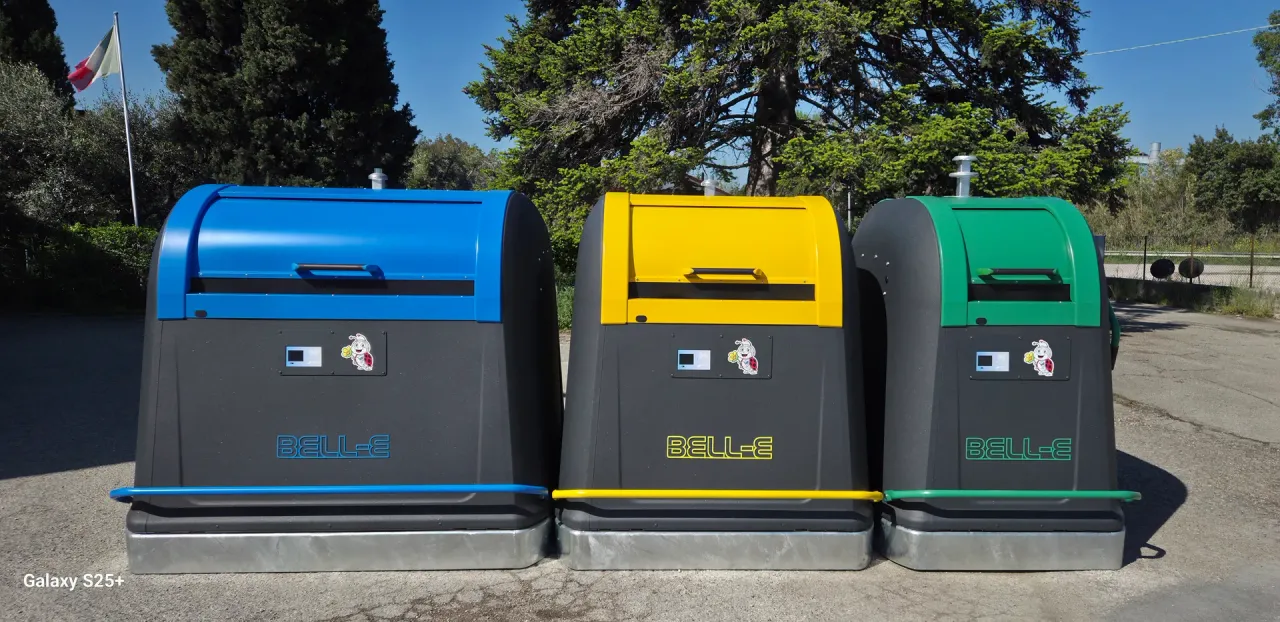
Vetroplast · Bell-e
Campane bilaterali
Vetroplast Bell-e is a hot-dip galvanised steel bilateral above-ground container for source-separated and residual waste: pyramidal geometry, UNI EN 13071 comp…
View product


FAQ
Answers for your project
What capacity does APTO offer in a historic centre?
Sotkon APTO is available in nominal sizes from 3 to 5 m³. Final configuration depends on streams, frequency and vehicles and needs project-level sizing.
What do you need for an initial study?
Location, streams, volume estimates, permitted vehicles, heritage constraints, burial depth and construction timeline.
Are semi-underground units always suitable?
They depend on partial excavation space, gradient and local rules. Alternatives remain underground litter bins or bells with compact chutes.
How does smart collection fit in?
APTO bells support access and fill-level options via the Sotkon Sotkis ecosystem. Choices should align with the service contract and operator platform.