
Guides and resources
Neighbourhood eco-islands built into urban space
Concentrate sorting at strategic nodes, freeing pavements and squares without cutting service capacity.
At a glance
An effective proximity island groups several streams at one finished point within useful walking distance, with emptying matched to the fleet.
Common setups combine high-capacity Sotkon APTO bells, Sounete Back or Side platforms to hide existing bins, and semi-underground units where full burial is impractical.
The model works when the municipality clearly shows where to deposit and the operator keeps frequencies aligned with real neighbourhood volumes.
Why proximity collection
Spreading bins at every doorway increases visual clutter and service cost; fewer well-sized nodes improve decor and hygiene control.
The model still needs enough capacity and credible frequencies or the island saturates and problems return.
Without proximity nodes, residents leave sacks beside full bins or dump waste near green areas.
Islands that are too far reduce sorting participation, especially for older users or people with limited mobility.
Design decisions
Volumes per stream, users served, maximum walk distance and contractual emptying frequency.
Visual impact, chute accessibility, lighting and night-time safety.
Fleet fit: APTO top loading, Back rear or Side lateral depending on operator.
Involve the operator in layout choice: an architectural design that cannot be emptied is costly to fix.
User communication plan before opening the new node, with maps and hours.
Distances, users and peaks
Walking distance depends on urban fabric: in compact centres 80-150 m is often acceptable; in sparse areas you need intermediate nodes or proximity litter bins.
Count equivalent users (residents, businesses, offices), not only addresses on the map.
Allow margin for weekends, holidays and tourism where second homes or short lets are common.
More streams on one island need clearly separated chutes and capacity sized for the bulkiest stream, often organics or multi-material.
Layout options
APTO: up to 3-5 m³ per bell with dedicated chutes per stream; suited to squares and busy corners.
Sounete Back: up to four wheeled bins under pavement; suited when service stays on rear compactors.
Sounete Side: large volumes per stream with side loaders or mixed fleets.
Polyethylene or concrete-steel semi-underground for transitions or mid volumes.
A main island plus underground litter bins in side lanes avoids multiple bells in tight spaces.
Installation and street reinstatement
Integrate the island into paving and furniture design for the square or footway, not as a hole added after works finish.
Plan pedestrian bypasses and site signage so flows are not pushed into unsafe crossings.
Reinstate surfaces and markings with materials consistent with the rest of the neighbourhood.
Commission with the operator over a full collection cycle before public launch.
Operations and communication
Clear stream and hours communication; consistent chute signage cuts contamination.
Schedule maintenance on seals, hydraulics and smart parts where fitted.
Track complaints and fill levels in the first weeks to adjust frequency or capacity.
Align cleaning around the island with street cleansing: perceived dirt is blamed on collection.
Mistakes to avoid
Opening an island without closing or reducing scattered bins creates duplication and confusion.
Undersizing organics or multi-material: they saturate first.
Ignoring gradient and utilities to save on semi-underground: visible bins return.
Tender documentation and layouts: info@bunder.it with neighbourhood plan and fleet data.
Products to review
Sotkon APTO underground bells, Sounete Back recessed platforms, Sounete Side hydraulic platforms, polyethylene semi-underground units, concrete-steel semi-underground units.
For decor and finishes on premium public space, see the urban decor and eco-islands guide.
Operational steps for municipality and operator
Involve neighbourhood associations in island siting before detailed design.
Publish map and deposit rules at least two weeks before closing scattered bins.
Run old and new systems in parallel for a fixed period, then remove duplicate points.
Track contamination in the first four weeks and update signage if needed.
Write maximum response times for reported overflow into the operator contract.
Annual review of walk distances and capacity with fill data or updated volume estimates.
Products that may fit your project
For projects like yours, many Bunder Waste customers start with these solutions. Compare capacity, use case and configurations before you get in touch for a quote.
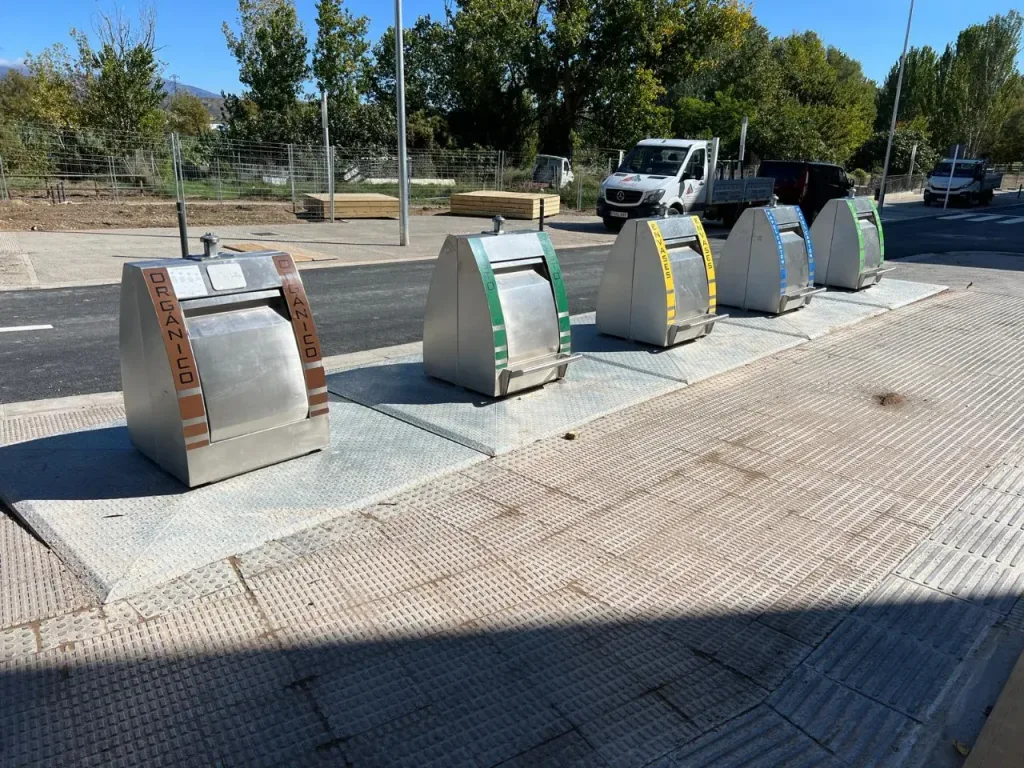
Sotkon · APTO
Underground bell-shaped containers
Sotkon’s APTO system, distributed in Italy by Bunder Company SRL under Bunder Waste, holds 3 to 5 m³ below grade with a monolithic shell, hot-dip galvanised st…
View product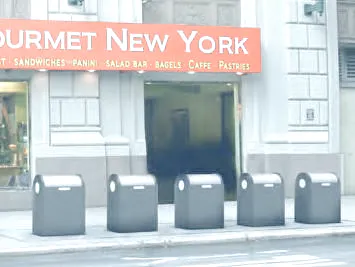
Sounete · Back
Pedane per cassonetti carrellati
Sounete Back hydraulic platforms, distributed in Italy by Bunder Company SRL, bury two to four wheeled bins: MRT chutes at street level, waste below grade and…
View product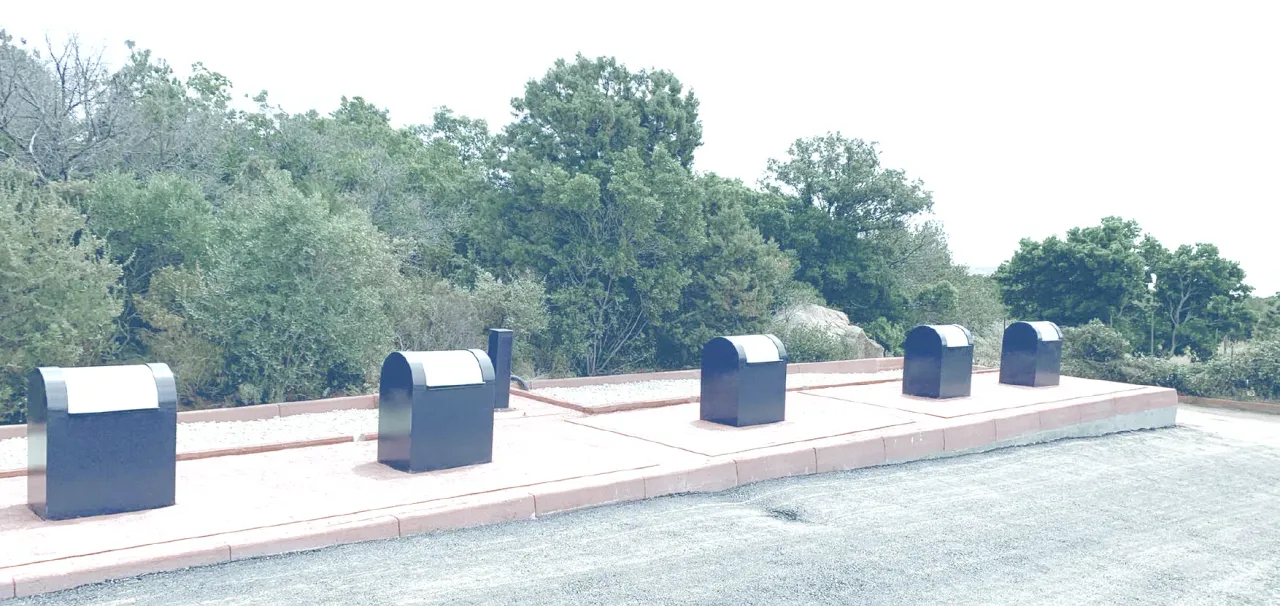
Sounete · Side
Pedane per cassonetti stazionari
Sounete Side buries one or two 2,400 or 3,200 litre containers (up to 4,000 L in dedicated setups) in a concrete shell: scissor cover, hydraulic lift and empty…
View product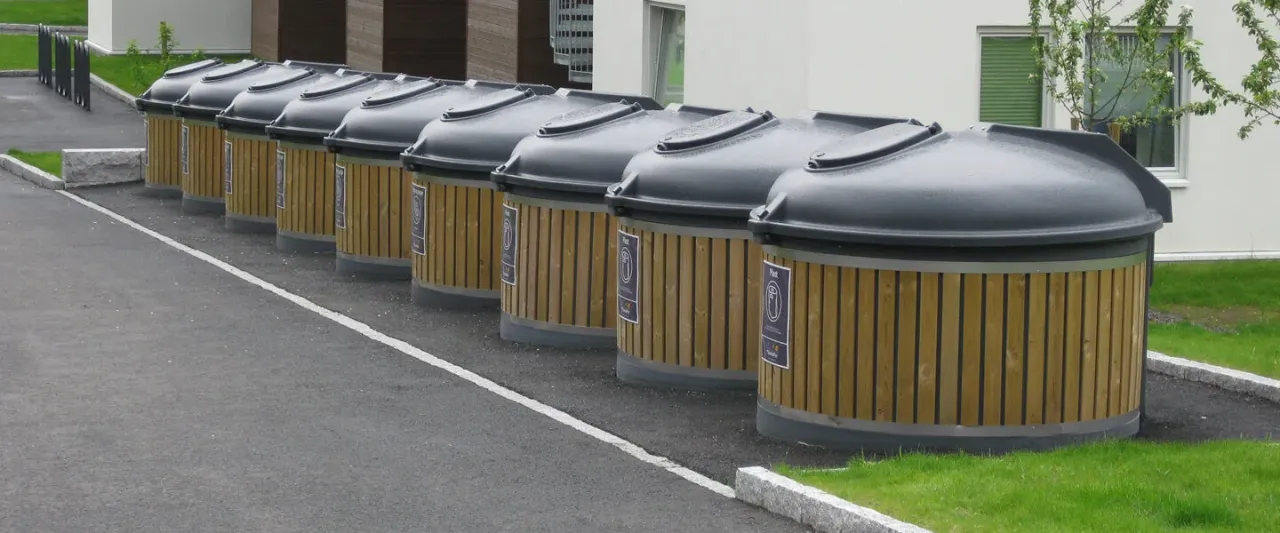
Traflux · ZBin
Semi-underground polyethylene containers
Semi-underground and above-ground polyethylene bell units for source-separated collection: configure internal bag, PE tub or steel liner, capacities up to 5,00…
View product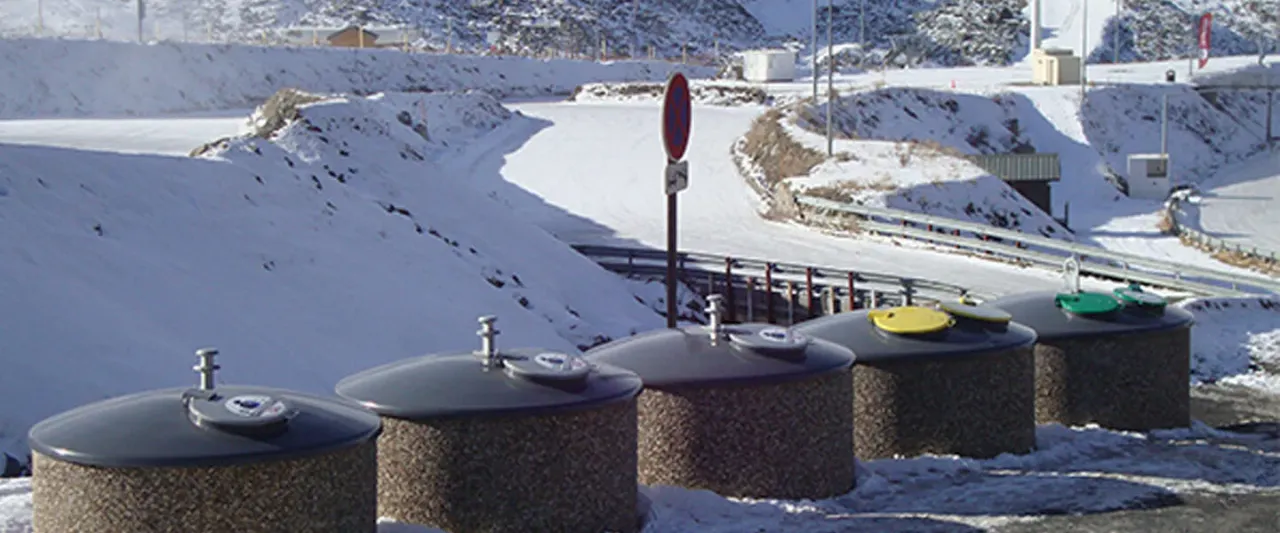
Traflux · RBin
Semi-underground steel containers
Bunder Company semi-underground steel containers combine the robustness typical of fully underground systems with easier installation.
View product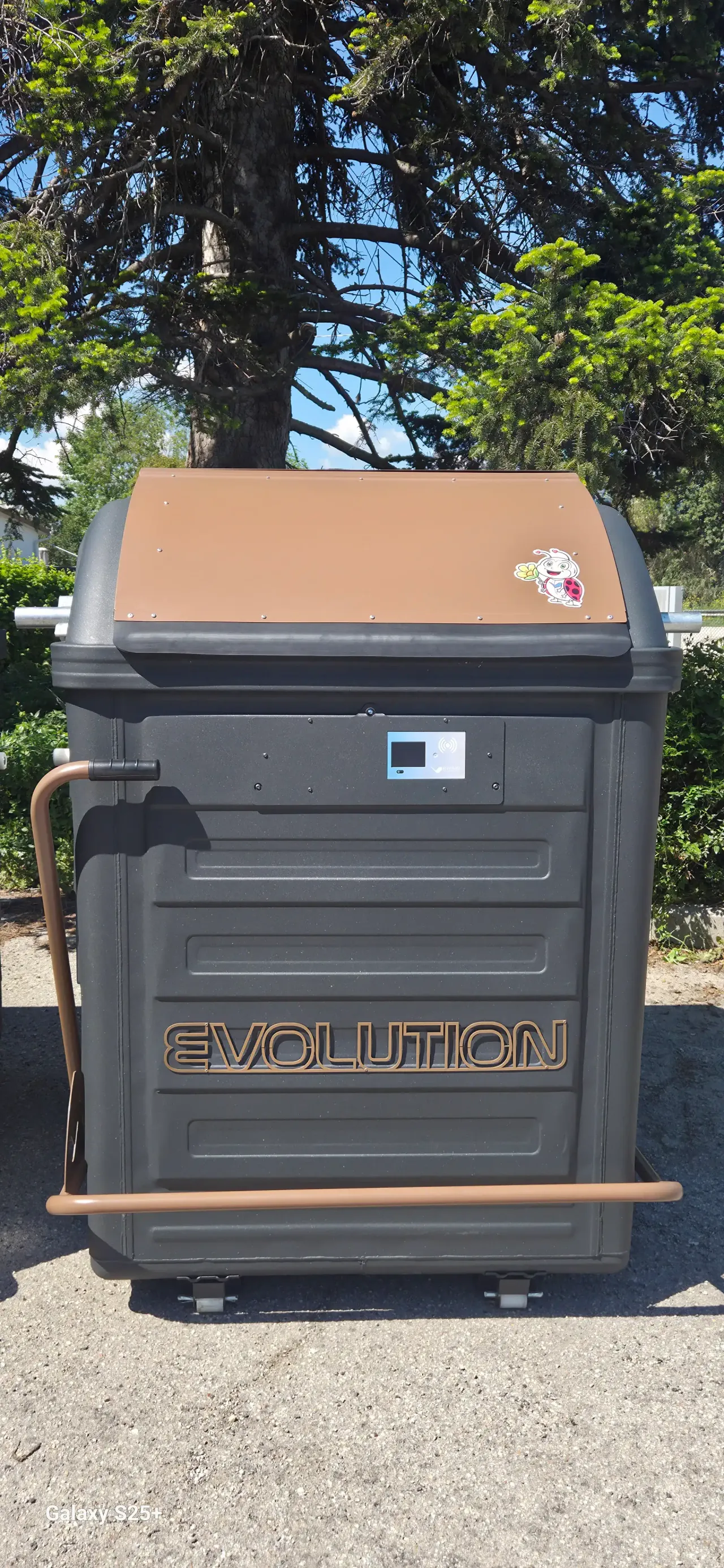
Vetroplast · Evolution
Evolution 2000
Vetroplast Evolution 2000 is a 2,000-litre above-ground bin for urban collection: mid-size capacity, streetscape integration and durable steel construction.
View product


FAQ
Answers for your project
How many streams per island?
Depends on volumes and frequency; APTO and multi-bin platforms allow several streams, each sized to avoid saturation.
APTO or Sounete platform?
APTO when the operator can use top-loading bells; Sounete when standard bins must stay underground.
What to request from Bunder Waste?
Recommended layout, datasheets, excavation requirements and fleet compatibility checklist for tender documents.