
Guides and resources
Vehicle compatibility: pick the system before the specification
For operators and designers: the vehicle-lift-container pairing decides whether the island works on day one or becomes a hidden cost.
At a glance
Each product family implies an emptying mode: top loading on APTO bells (Kinshöfer FLEX, hooks, Palpeur, F90), wheeled bins via Sounete Back, stationary units via Sounete Side, or Bell-e and Vetroplast bins for bilateral or street-logic collection.
Check vehicle model, fitted lifting gear and island layout before purchasing or construction.
Compatibility is not a site detail: it drives service frequency, hire costs and crew safety.
Operational problem
Incompatible containers block emptying, force hire vehicles or require costly site changes.
Service renewals often mix rear loaders, side loaders and cranes: the solution must cover transition or segment islands by type.
Common mistakes: APTO islands without reach and lift-angle checks, or Back platforms with non-DIN bins not in the contract.
Tight access and excessive gradient can void an otherwise sound hydraulic platform design.
Selection criteria
Vehicle type: rear compactor, side loader, crane with Kinshöfer mushroom or F90 gear.
Container type: DIN wheeled 1,000-1,700 L, stationary 2,400-3,200 L, APTO bells 3-5 m³.
Site access, burial depth, up to 15% gradient on Sounete platforms and space for hydraulic maintenance.
Cycle time: islands served per shift with the new mode versus current layout.
Safety: ground crew, remote use and employer rules on permitted equipment.
Families and modes
Sotkon APTO: integrated bell-platform-chute system; EN 13071-1/2 and Machinery Directive 2006/42/EC as per product data; documented F90 option for cab-controlled bilateral collection.
Sounete Back: two to four wheeled bins, hydraulic lift and emptying on existing rear compactors.
Sounete Side: one or two large units, cab remote, rear, side and crane compatibility.
Vetroplast Bell-e: bilateral top-loading bells; Evolution, Euro and Genesi for other street bin logic.
Do not mix incompatible lift modes on one island: two nodes served by the existing fleet is often clearer.
Island layout and lift geometry
For APTO, draw platform position, chute height and clearance for boom or mushroom per data sheet.
For Back, check platform opening does not block narrow footways and bins rise clear of obstacles.
For Side, check lateral vehicle footprint in the bay and cab sight lines.
For Bell-e and Vetroplast street bins, match volumes and fixings to bilateral or rear lift on the vehicle.
Pre-order checklist
Vehicle data sheet with lift photos; island list with volumes and streams; access layout.
Review allowable pairings with Bunder Waste: not every vehicle-container match is possible.
Train crews on new modes (F90, Side remote, Back hydraulics).
Field trial or supplier simulation when introducing F90 or a hydraulic platform for the first time.
Update the service specification with islands listed by permitted emptying mode.
Do not assume by default
A Kinshöfer mushroom does not automatically fit every bell or platform: lift model and capacity matter.
Moving from visible bins to APTO may need months of dual fleet operation and training.
Gradient, utilities and manoeuvring width are not fixed by changing bin model.
For project checks and compatibility tables: info@bunder.it with vehicle data and island layout.
Products to review
Sounete Back wheeled-bin recessed platforms, Sounete Side stationary hydraulic platforms, Sotkon APTO underground bells, F90 emptying on APTO, Vetroplast Bell-e bilateral family, Vetroplast Euro 3200.
For constrained urban settings where decor drives system choice, see the urban decor and eco-islands guide.
Operational steps for municipality and operator
Attach vehicle sheets with lift photos, capacity and field-measured reach to the tender.
List each island with streams, volumes and required emptying mode (APTO, Back, Side, Bell-e).
Ask the supplier for plan layouts with the vehicle in the lift position.
Plan a trial day with drivers on at least one island per type before accepting the full lot.
Update safety procedures when introducing F90 or Side remote control.
Archive approved pairings to avoid incompatible variants on later orders.
Products that may fit your project
For projects like yours, many Bunder Waste customers start with these solutions. Compare capacity, use case and configurations before you get in touch for a quote.
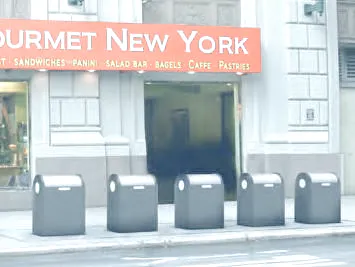
Sounete · Back
Pedane per cassonetti carrellati
Sounete Back hydraulic platforms, distributed in Italy by Bunder Company SRL, bury two to four wheeled bins: MRT chutes at street level, waste below grade and…
View product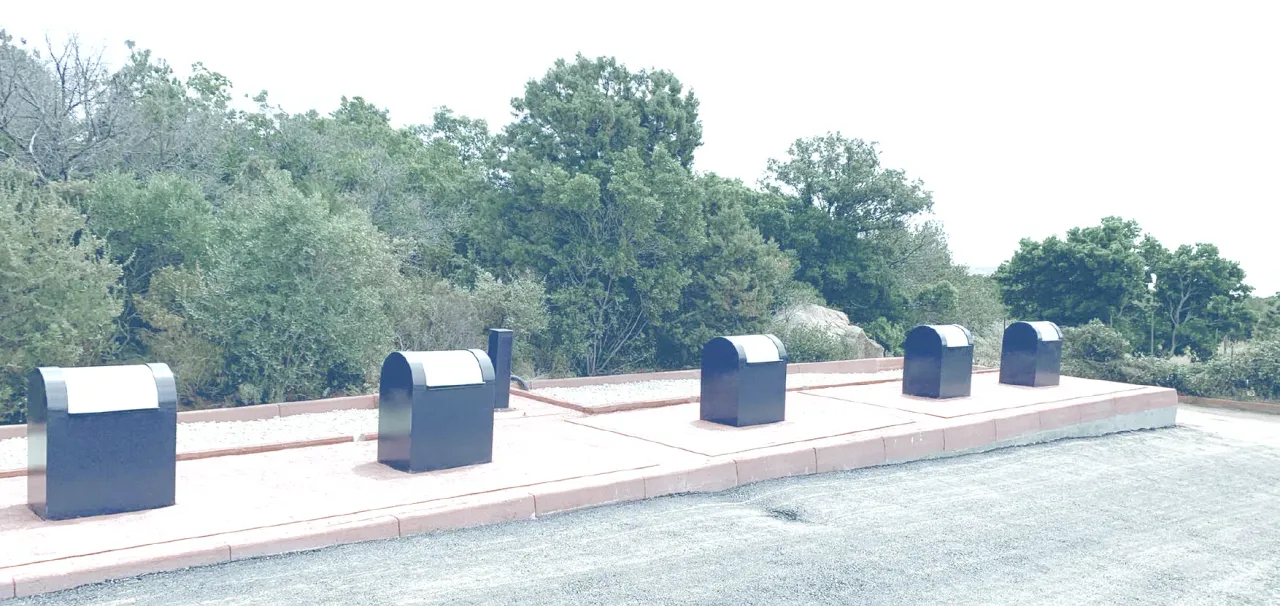
Sounete · Side
Pedane per cassonetti stazionari
Sounete Side buries one or two 2,400 or 3,200 litre containers (up to 4,000 L in dedicated setups) in a concrete shell: scissor cover, hydraulic lift and empty…
View product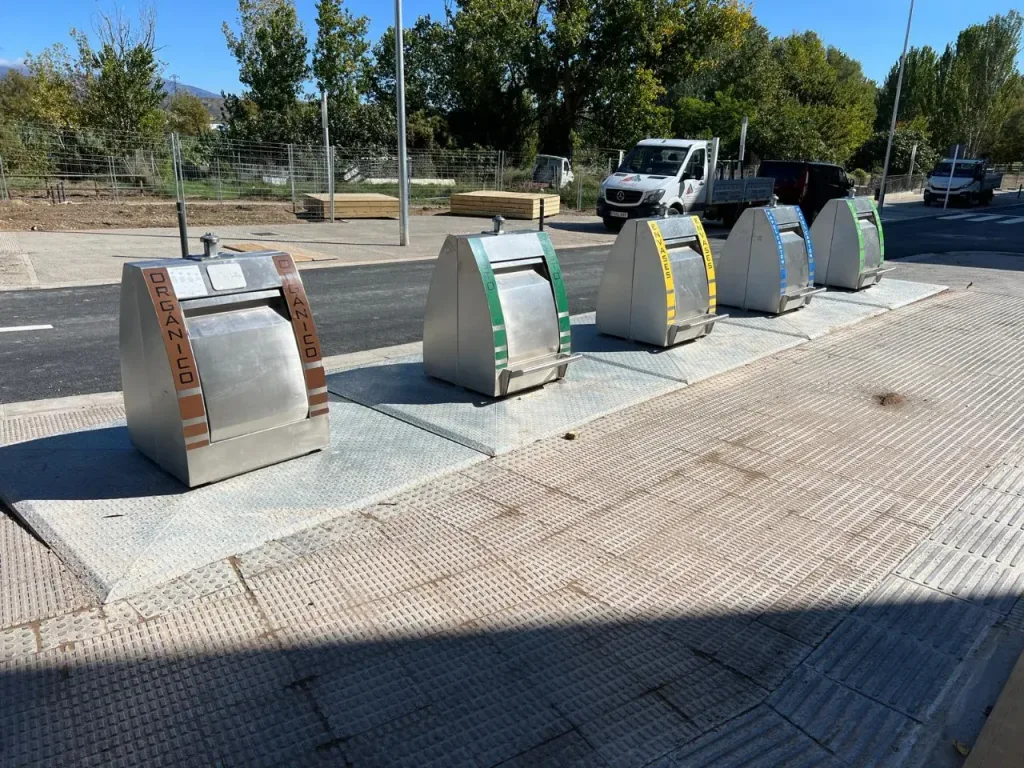
Sotkon · APTO
Underground bell-shaped containers
Sotkon’s APTO system, distributed in Italy by Bunder Company SRL under Bunder Waste, holds 3 to 5 m³ below grade with a monolithic shell, hot-dip galvanised st…
View product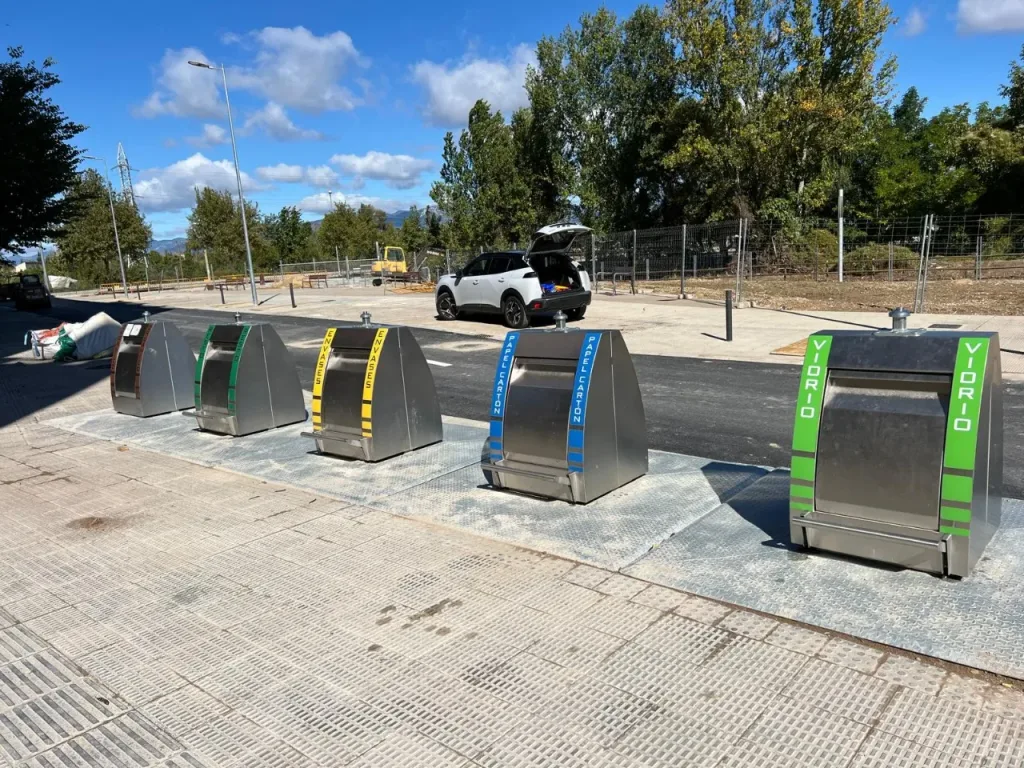
Sotkon · APTO · F90
Presa e raccolta APTO
On Sotkon APTO underground bells, the F90 coupling enables bilateral collection with a cab-controlled crane, alongside FLEX Kinshöfer and other lift options.
View product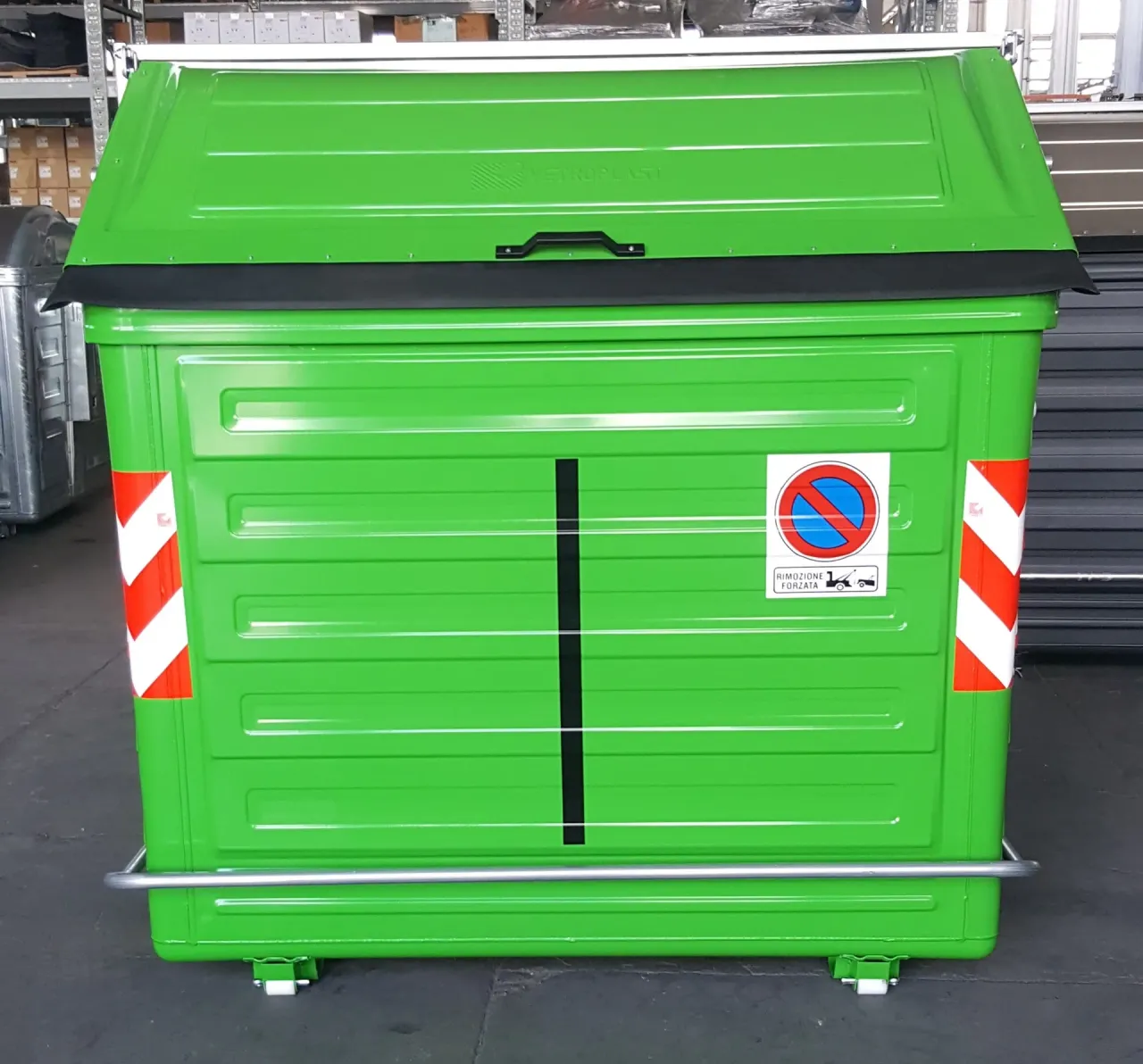
Vetroplast · Euro
Euro 3200
Vetroplast Euro 3200 is a 3,200-litre above-ground container for separate collection: configured openings per stream and finishes for high-traffic public sites.
View product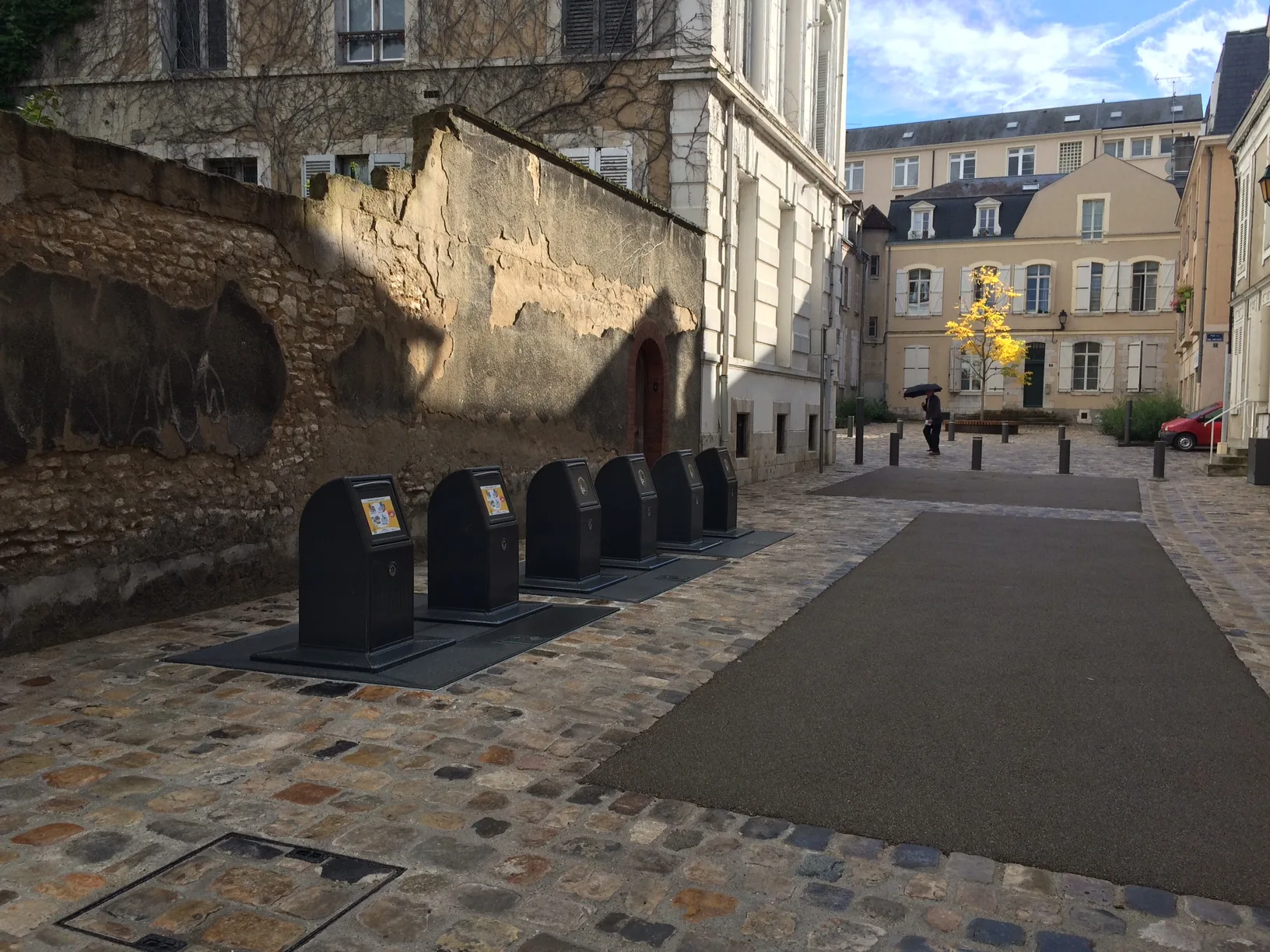
Ecollect · ECOBAC · 2000
2×1,000 L semi-underground system
ECOBAC 2000 carries two 1,000 L wheeled bins in a concrete vault for floodable ground.
View product


FAQ
Answers for your project
What is needed for a compatibility check?
Vehicle model and equipment, lift type, volumes per stream, island layout, gradient and access constraints.
Back or Side for a mixed fleet?
Back for rear wheeled bins; Side when side loaders dominate or you need rear/side/crane flexibility on one plant.
When to prefer APTO over a platform?
When service can standardise on top-loading bells and high capacity per island; platforms keep existing bins underground.
Is Bell-e the same as APTO?
No: Bell-e is the Vetroplast bilateral top-loading line; APTO is the Sotkon buried system with monolithic shell. Choice depends on fleet and volumes.