
Traflux RBin square semi-underground containers
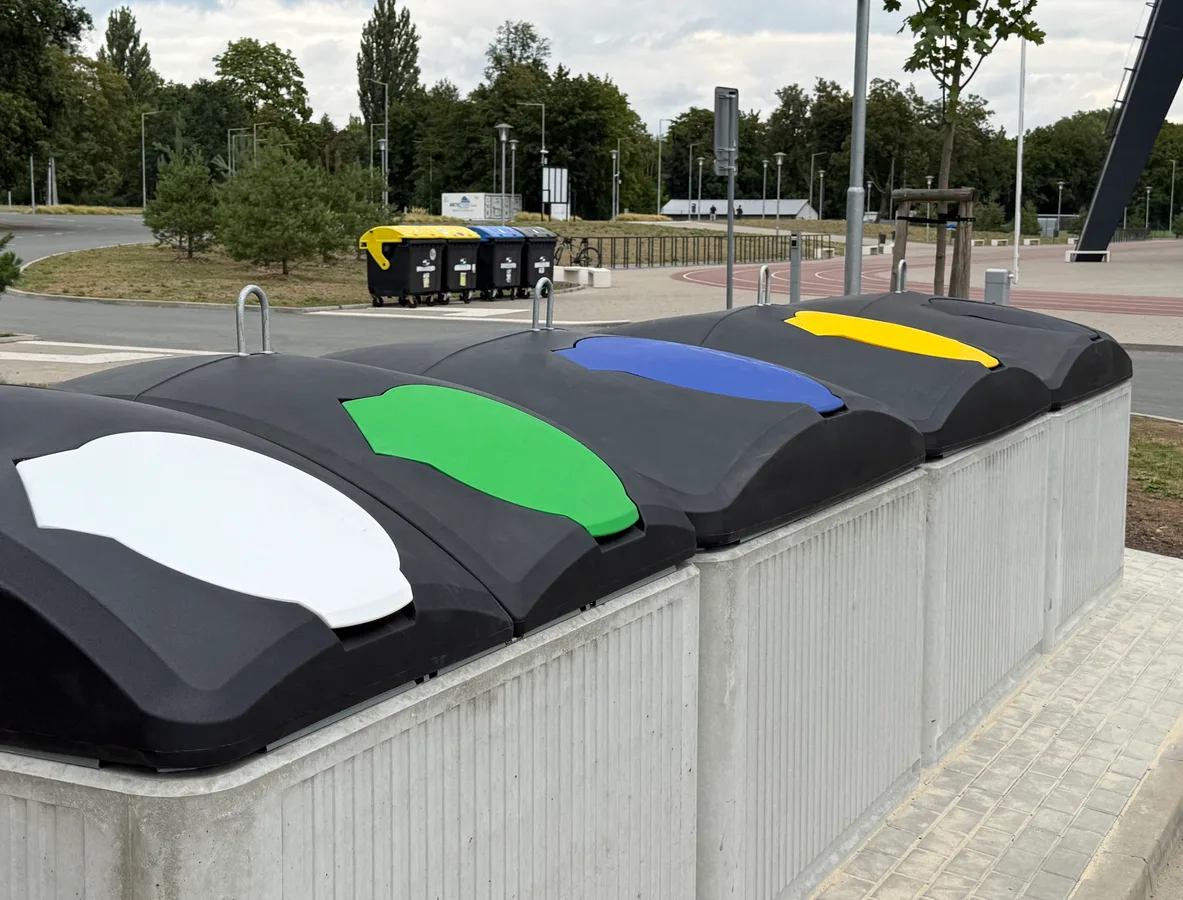
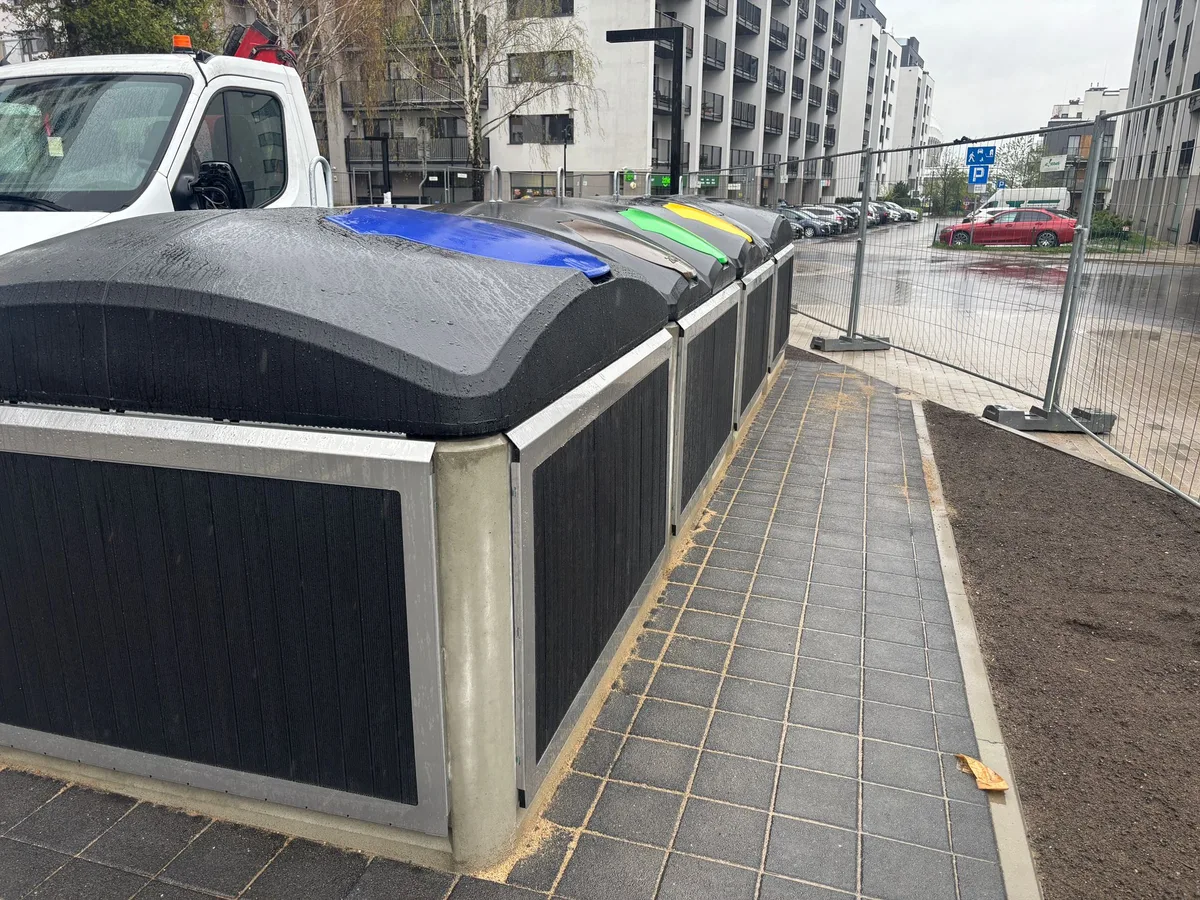
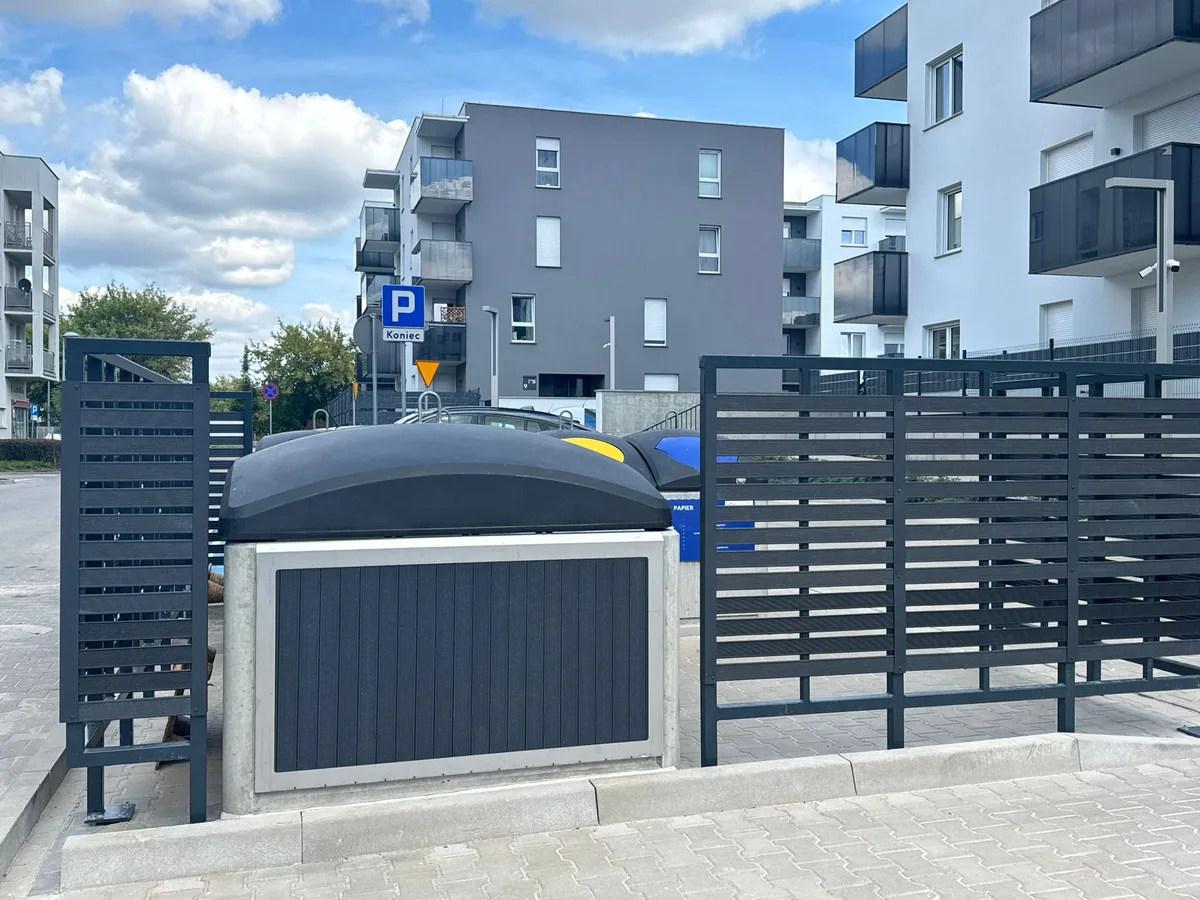
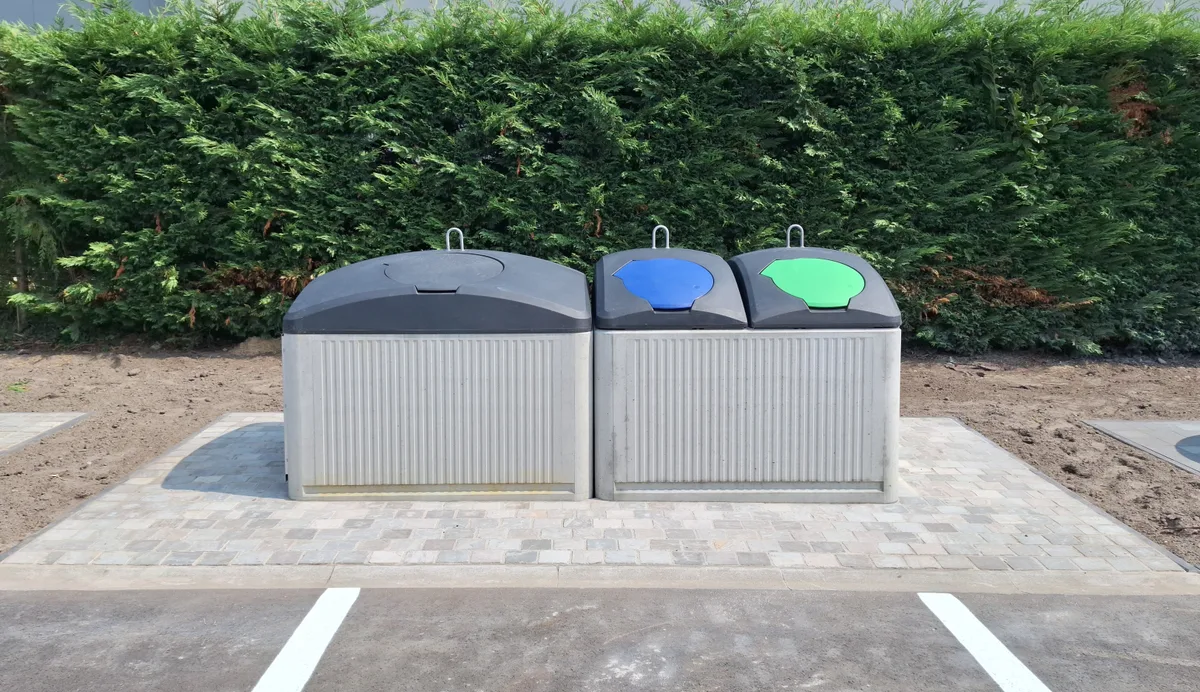
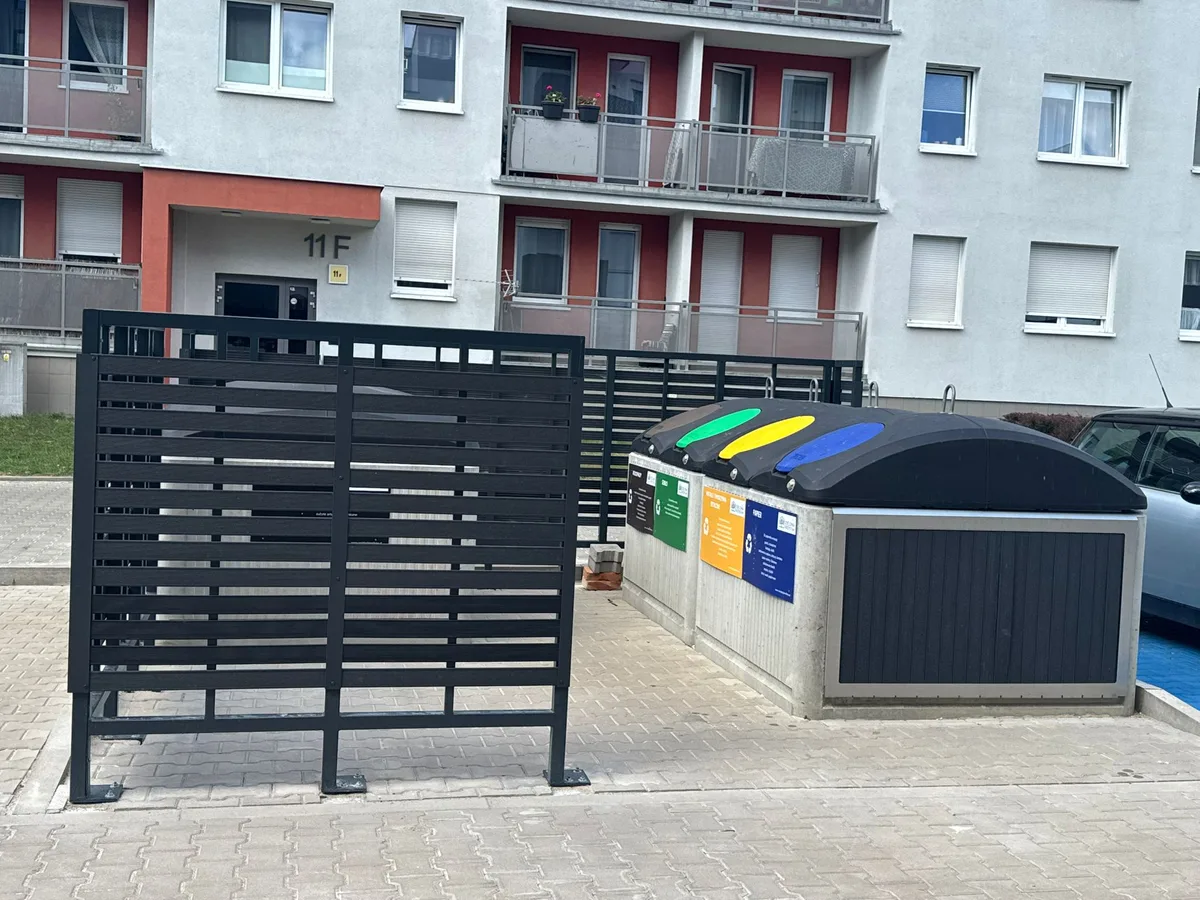
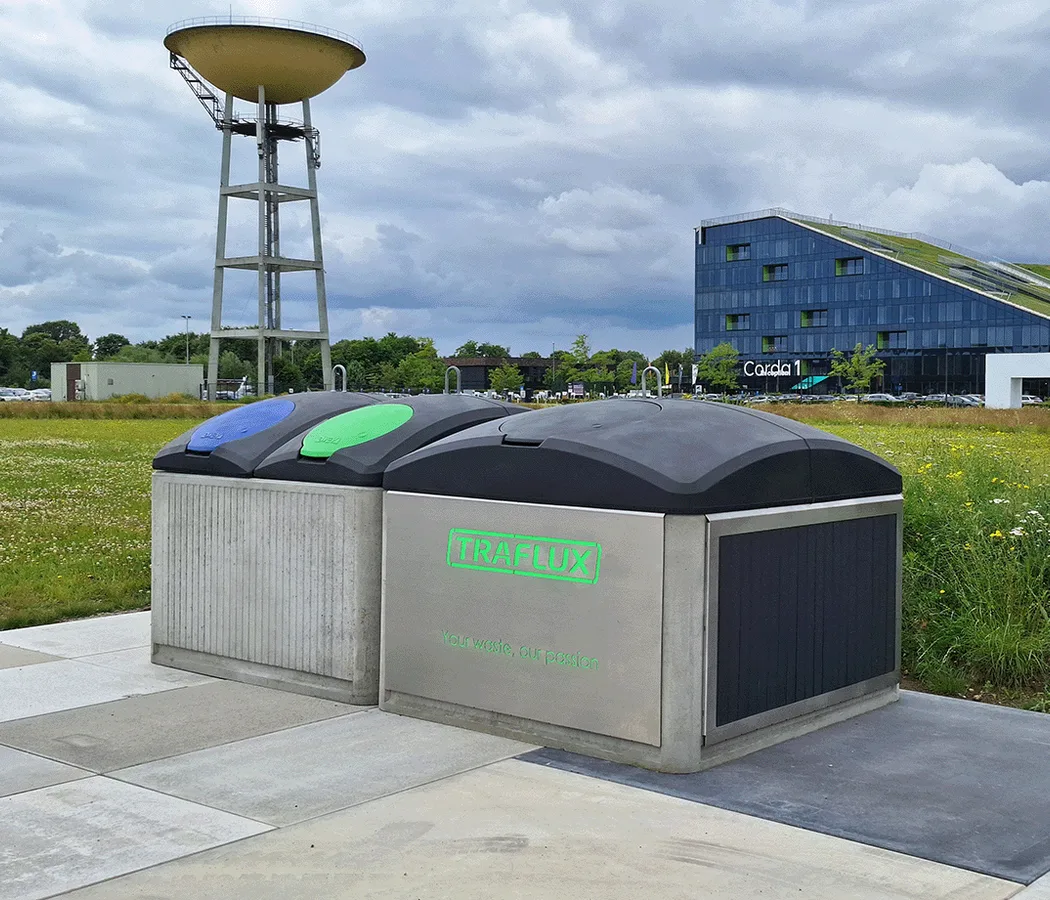
TRAFLUX · RBIN RANGE
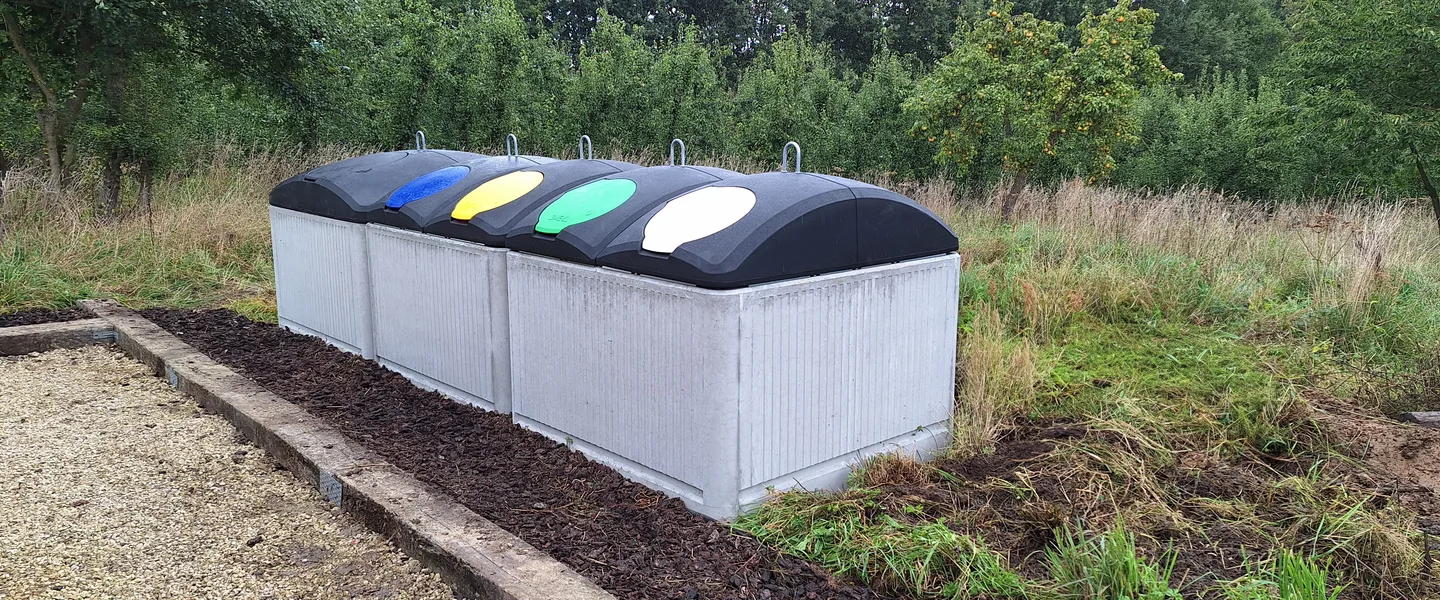
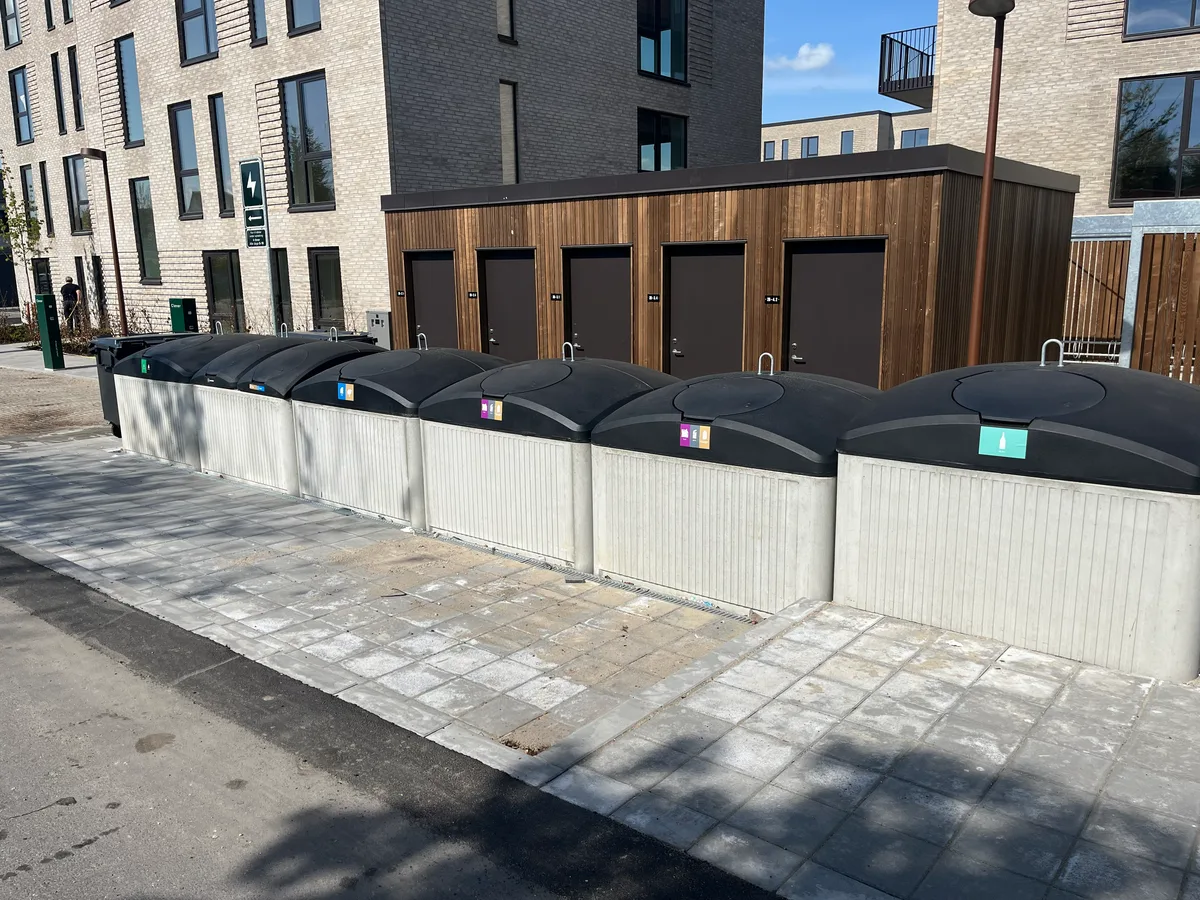
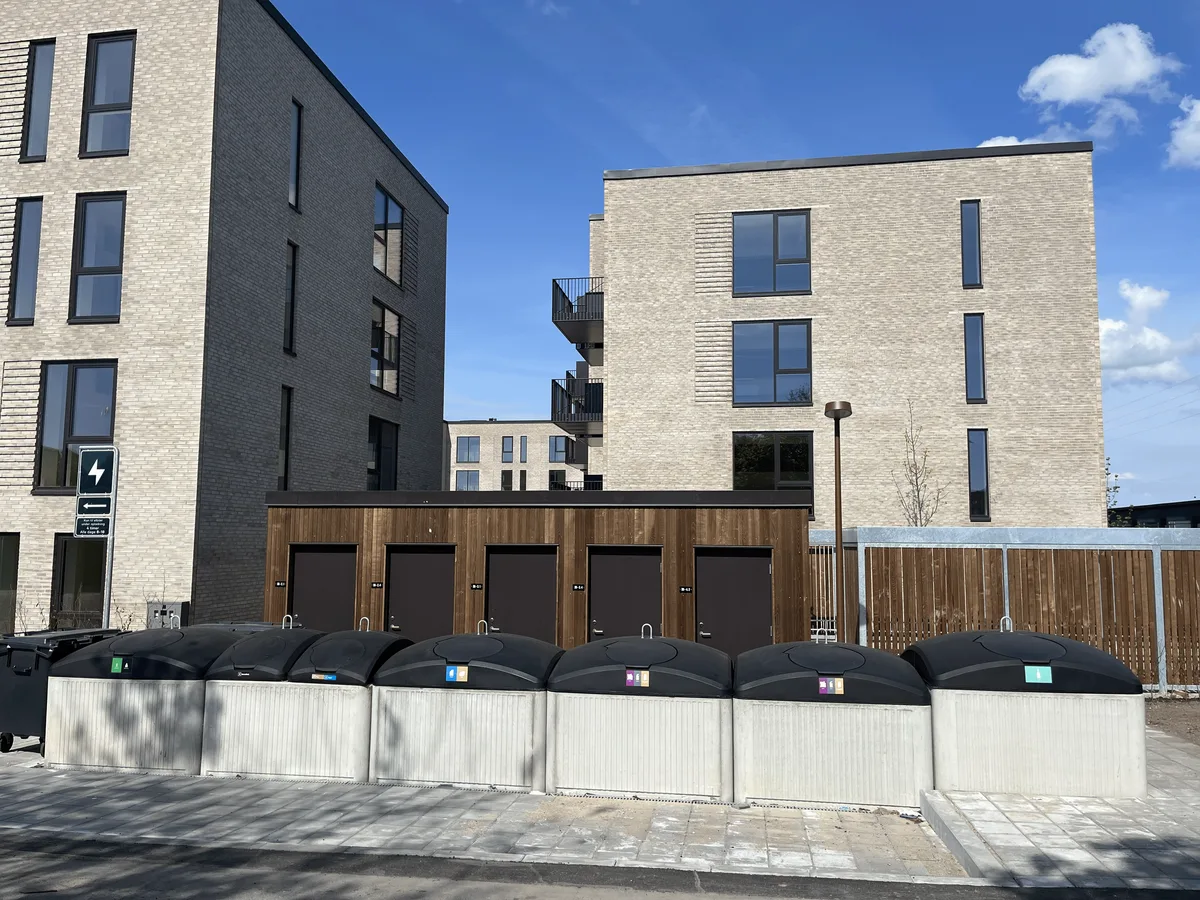
Semi-underground concrete containers
High collection volumes, concrete shell and limited visible footprint in public space.
- Capacity
- Up to 5,000 L per stream
- Streams
- 1 to 3 in one plant
- Shell
- Precast concrete
- Emptying
- Crane, bag or rigid inner
- Coupling
- Single hook, twin hook, Kinshofer
Performance and benefits
Modularity
1–3 modules
better suited to heavy organics and intensive emptying cyclesvs light PE tubs
Several streams in one shell, reconfigurable.
- Single volume or multiple inner bays
- Add streams without changing the shell
- Square footprint for aligned islands
Capacity
Up to 5,000 L
one island up to 5 m³vs 2–3 separate PE tubs
Volumes and splits defined in project.
- Liner, PE or steel per module
- Single hook, twin hook or Kinshofer
- Access and fill monitoring (optional)
Reliability
EN 13071
Traflux range with EN 13071 referencevs ad-hoc solutions
Traflux RBin 2.0, SCC shell.
- Reinforced concrete with uplift checks
- Integrated cladding and colour-coded lids
- Bunder Waste support in Italy
Description
- Up to 5,000 litres per stream:high capacity in one unit.
- Concrete shell:robust buried pit for permanent installation.
- Multi-stream layouts:one, two or three waste types in the same plant.
- Crane emptying:only the inner bag or container moves, not the pit.
- Durable materials:concrete, technical plastic and selected metal parts.
- Custom finishes:aluminium, wood, recycled plastic and decorative options.
- Multiple streams:paper, cardboard, plastic, glass, organics and residual.
Square semi-underground waste containers
- About one third of the structure stays above grade; the rest sits below ground to concentrate volume on a compact footprint.
- Four main layouts from 1,500 to 5,000 litres per stream, with up to three collection streams in one plant. Lift bags or rigid inners are emptied by truck-mounted crane.
- For municipalities, environmental operators and designers who need robust, high-capacity, customisable semi-underground units for source separation and cleaner public space.
- Distributed in Italy by Bunder Company, Bunder Waste division.
Who is RBin for?
- Municipalities:permanent eco-islands and upgraded collection areas.
- Environmental operators:higher deposit capacity and streamlined emptying.
- Designers and technical offices:integration in squares, districts and public space.
- Residential complexes:several streams at one shared point.
- Commercial and tourist areas:large volumes with fewer above-ground bins.
- RBin concentrates high capacity in a permanent semi-buried structure: concrete stability, flexible inner emptying and multi-stream options.
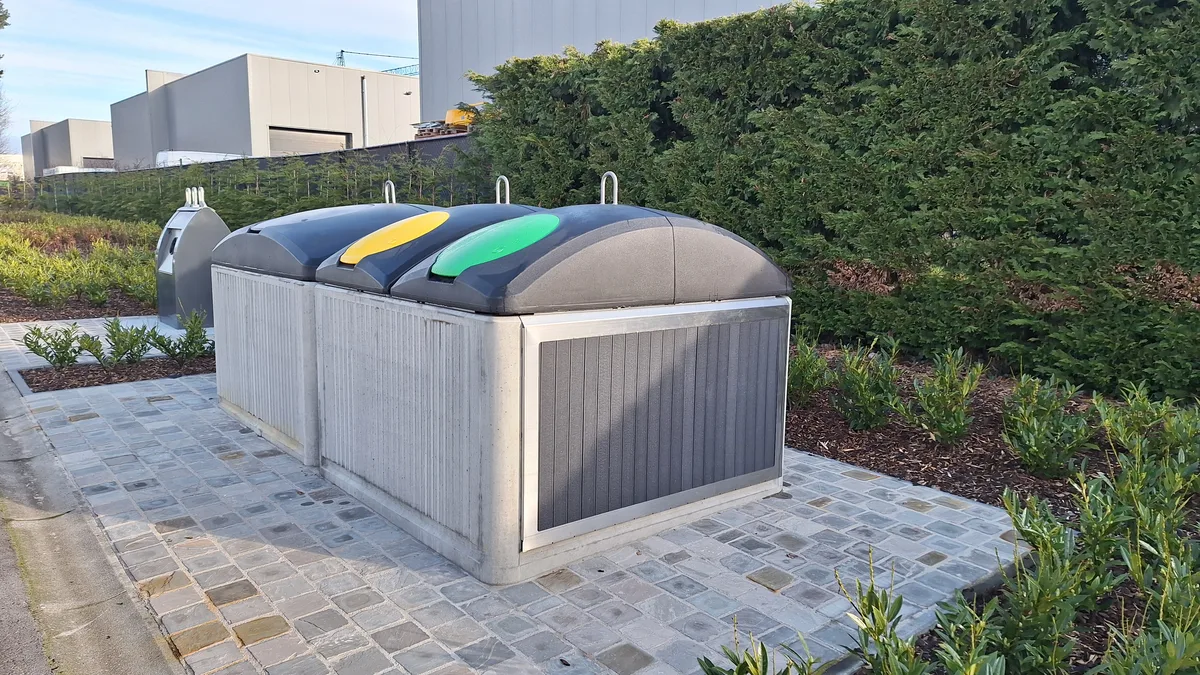
Collection volume underground, crane emptying
- The concrete semi-buried shell houses a lift bag or rigid inner container.
- Users deposit through top openings marked by stream.
- For emptying, a crane truck couples to the lift points, extracts the inner unit from the pit and discharges into the vehicle.
- Operating steps:deposit; storage in the inner unit; crane coupling; extraction; emptying; repositioning.
- Only the inner system moves during collection; the concrete pit stays in the ground.
Four layouts for one or more streams
- RBin 5000, one stream at 5,000 litres.Highest single-stream capacity; precast concrete pit; crane emptying. For high-output single-stream points.
- RBin 1500 + 3500, two unequal streams.1,500 L and 3,500 L bays; 5,000 L total; two streams. For districts with uneven production per stream.
- RBin 2×2500, two equal streams.Two 2,500 L bays; 5,000 L total; two deposit points. For comparable volumes on two streams.
- RBin 3×1500, three streams.Three 1,500 L bays; 4,500 L total; three deposit points. For condos, districts and public sites with three materials.
- Comparison:RBin 5000: 5,000 L, 1 stream; 1500+3500: 5,000 L, 2 streams; 2×2500: 5,000 L, 2 streams; 3×1500: 4,500 L, 3 streams.
- Choose layout from waste types, volumes, emptying frequency and operator practice.
A concrete pit for permanent installs
- The buried precast concrete structure holds inner collection systems and stabilises the install. Square geometry fits multiple streams on one pad.
- Precast concrete pit; stable semi-buried shell; one to three streams; ribbed concrete exterior finish.
- Structural durability; protection of buried inners; permanent eco-islands; less visual clutter than surface bins.
- Stainless steel anchoring ringfor stability and tie-in to the concrete pit.
- Technical plastics and metals complement the pit: UV-resistant plastic, stainless hinges, aluminium or stainless hardware to limit corrosion.
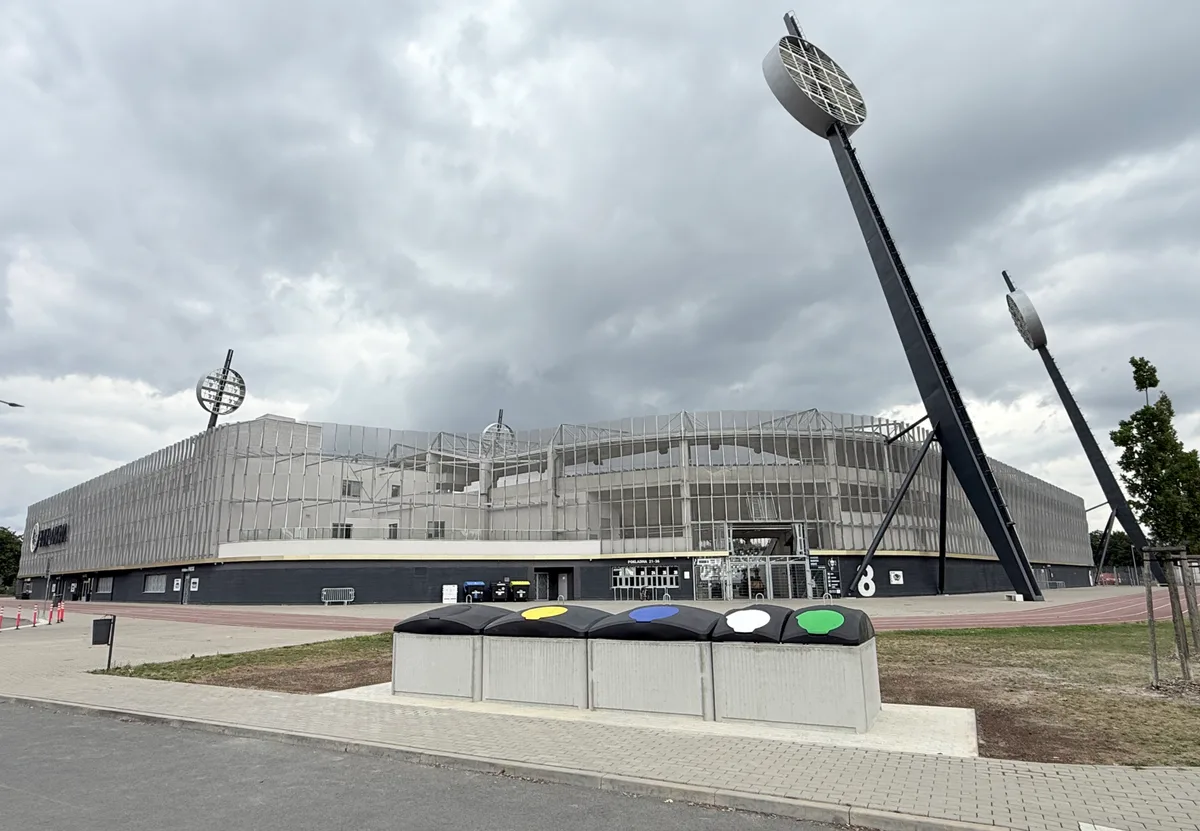
Lift bags and extractable inners
- Inner systems are chosen by waste type and emptying method, with a lift frame for crane handling.
- Standard lift bag:inner bag, top lift frame, discharge cords, bottom opening.
- Semi-rigid bag:more stability during handling.
- Rigid plastic inner:structured containment.
- Rigid metal inner:for specific collection needs.
- Streams include paper and cardboard, plastics, glass, organics and residual. Match inner type to weight, density and crane compatibility.
Crane emptying and lift couplings
- Designed for crane trucks: single hook, twin hook and Kinshofer configurations.
- Inner kit includes lift frame, extractable bag or container, discharge cords, bottom opening and crane attachment points.
- Verify coupling compatibility between inner unit, lift frame and fleet before install.
Lids and deposit openings
- Double-wall plastic lids; stainless hinges; integrated ergonomic handle; assisted opening.
- Openings for mixed waste, glass and paper; lid colours including white, black, blue, red, green and yellow.
- Access control: triangular lock, padlock or dedicated key.
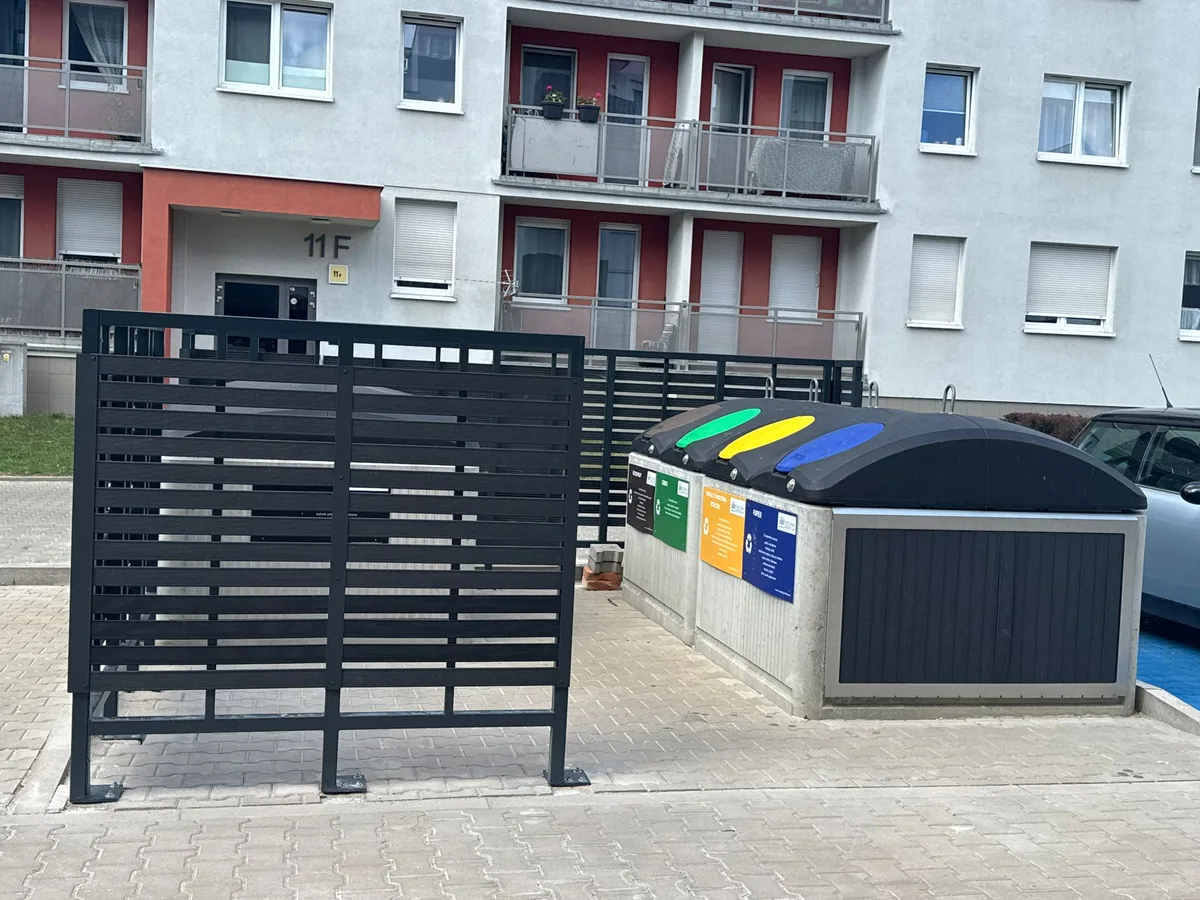
Finishes for urban settings
- Exposed ribbed concrete; aluminium cladding; wood (PEFC-certified per producer documentation); recycled plastic; perforated sheet; printed or graphic panels for municipal branding.
Safety, ergonomics and odour control
- Integrated safety barrier:the above-ground section forms a perimeter barrier during emptying; producer documentation cites at least 800 mm protection height.
- Deposit ergonomics:integrated lid handle, fewer protruding metal parts.
- Odour control:Odour Lock sealing on the lid; semi-buried location helps stabilise temperatures.
Materials and reference standards
- Traflux builds semi-underground systems in concrete, technical plastic and selected metals.
- RBin brochure references include EN 13071 (collection containers), ISO 21898 (lift bags), PEFC (wood), ISO 9001 and ISO 14001 (company management).
- For tenders, request current declarations for the exact configuration supplied.
Where to install RBin
- Historic centres and squares:lower visual impact, adaptable finishes.
- Residential districts:one to three streams in one structure.
- Condominiums:multi-stream shared points.
- Commercial areas:capacity scaled to activity output.
- Parks:wood and recycled plastic finishes.
- Tourism and high-traffic sites:large volume for seasonal peaks.
Design and installation
- Installation requires excavation and placement of the precast concrete pit.
- Site checks:geotechnics, groundwater, drainage, utilities, space and crane access.
- Configuration:capacity, streams, bay split, inner type, lift coupling.
- Works:excavation, pit placement, alignment, backfill, top components, handover for service.
- Fleet:crane type, coupling, lift frame match, inner type, lift capacity, working space.
- Bunder Company supports municipalities, operators and designers on Traflux RBin layouts. Compare Traflux ZBin, Sotkon APTO, Sounete SIDE, Sounete BACK, underground eco-islands and contact.
RBin or ZBin: which semi-underground system?
- Traflux RBin:concrete semi-buried shell; square footprint; up to 5,000 L per stream; one to three streams; crane emptying; custom cladding.
- Traflux ZBin:circular technical plastic body; Maxi, Compact and Flex; 800 to 5,000 L; varied install depths.
- Choose RBin for a permanent concrete structure, stability and multi-stream layouts. Choose ZBin for a circular plastic body and more flexibility on depth and install mode.
Applications and contexts
Historic centres and squares
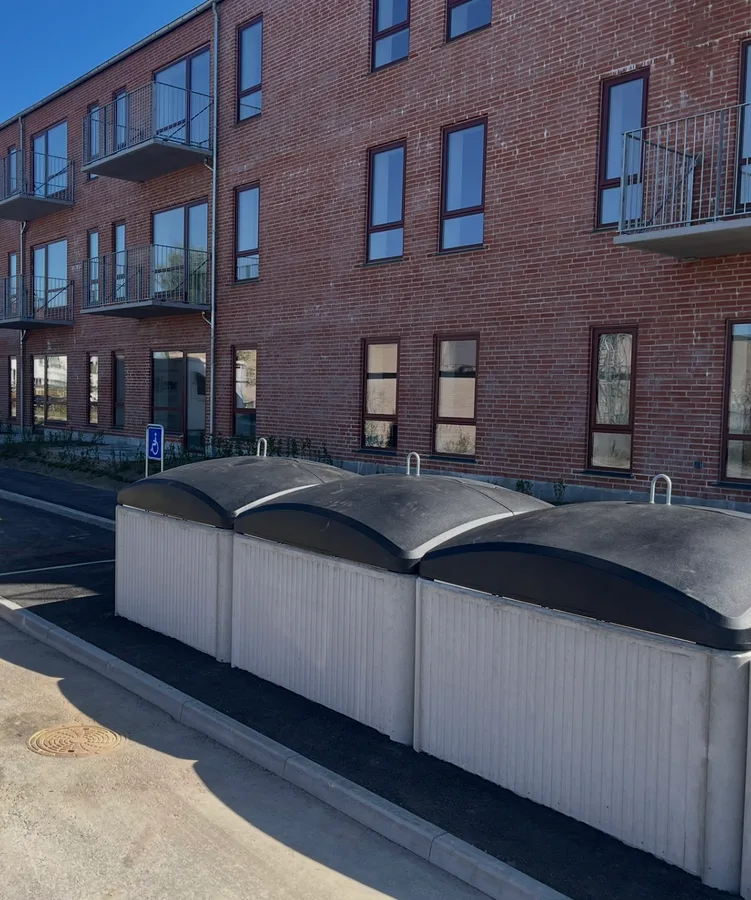
Residential districts
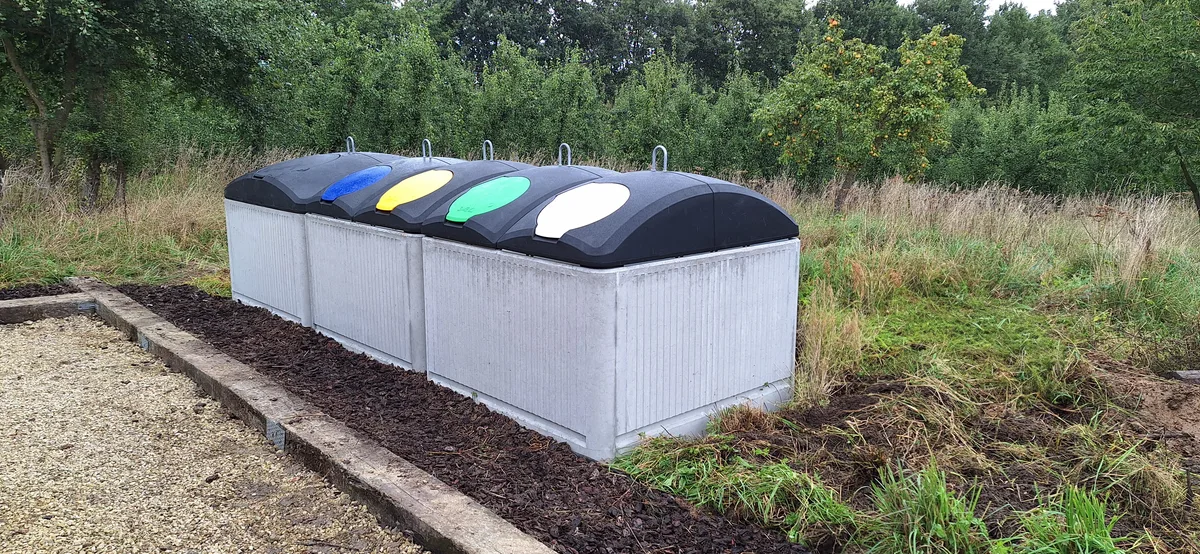
Condominiums and housing complexes
For project context and on-site requirements, see the guide Underground and semi-underground containers for hotels, resorts and campsites: layout, vehicle access and screening and the solution page Neighbourhood eco-islands built into urban space.
Frequently asked questions
What are Traflux RBin semi-underground containers?
- RBin is a semi-buried concrete waste collection system designed to concentrate large volumes below street level. Lift bags or rigid inner containers are extracted by crane for emptying.
What capacities are available?
- Bay sizes include 1,500, 2,500, 3,000, 3,500 and 5,000 litres depending on layout. Main configurations reach 5,000 litres total.
How many streams can one unit handle?
- One, two or three streams: RBin 5000 (one), 1500+3500 or 2×2500 (two), 3×1500 (three).
How is RBin emptied?
- A crane truck lifts the inner unit from the concrete pit and empties it into the vehicle.
Which inner collection systems are available?
- Standard lift bags, semi-rigid bags, rigid plastic or metal inners, matched to the stream and service.
Which waste types can be collected?
- Paper, cardboard, plastic, glass, organics and residual waste with the appropriate inner system.
Which lift couplings are available?
- Single hook, twin hook and Kinshofer, depending on inner unit and truck equipment.
Can the exterior be customised?
- Yes: aluminium, wood, recycled plastic, perforated sheet and printed panels; coloured lids and stream marking.
Is glass collection possible?
- Yes. Select the rigid inner or the configuration specified for glass collection.
How is safety handled during emptying?
- The semi-buried shell provides a perimeter barrier. Traflux documentation cites integrated protection of at least 800 mm. Ergonomic lid handles are included.
Is RBin suitable for historic centres?
- Often yes, with suitable finishes; feasibility depends on subsoil, space and local constraints.
What is the difference between RBin and ZBin?
- RBin uses a square precast concrete pit; ZBin uses a circular rotomoulded plastic body. Both are semi-underground but suit different install and material needs.
How do I receive the technical datasheet?
- Datasheets, documentation and prices are not published on this site: we send them on request for the product and configuration you need. Use “Request datasheet and quote” on this page: the form opens with this product preselected.
Recommended products
More solutions in the Semi-buried systems range and related families.
TRAFLUX · ZBIN RANGE
Semi-underground polyethylene containers
High capacity, contained footprint and integration in public space.
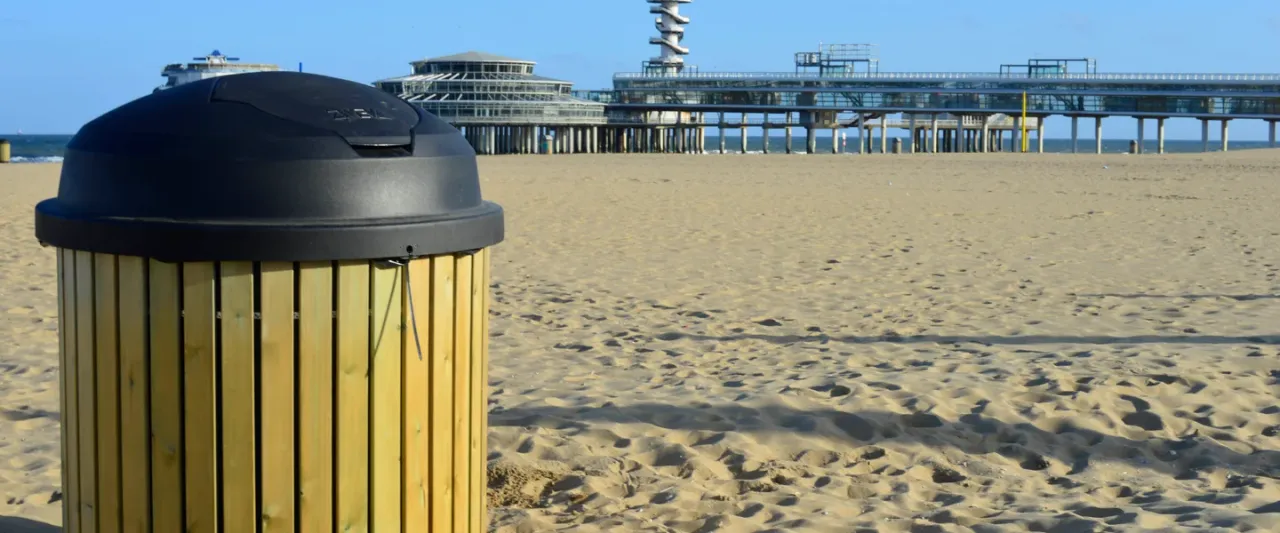
View product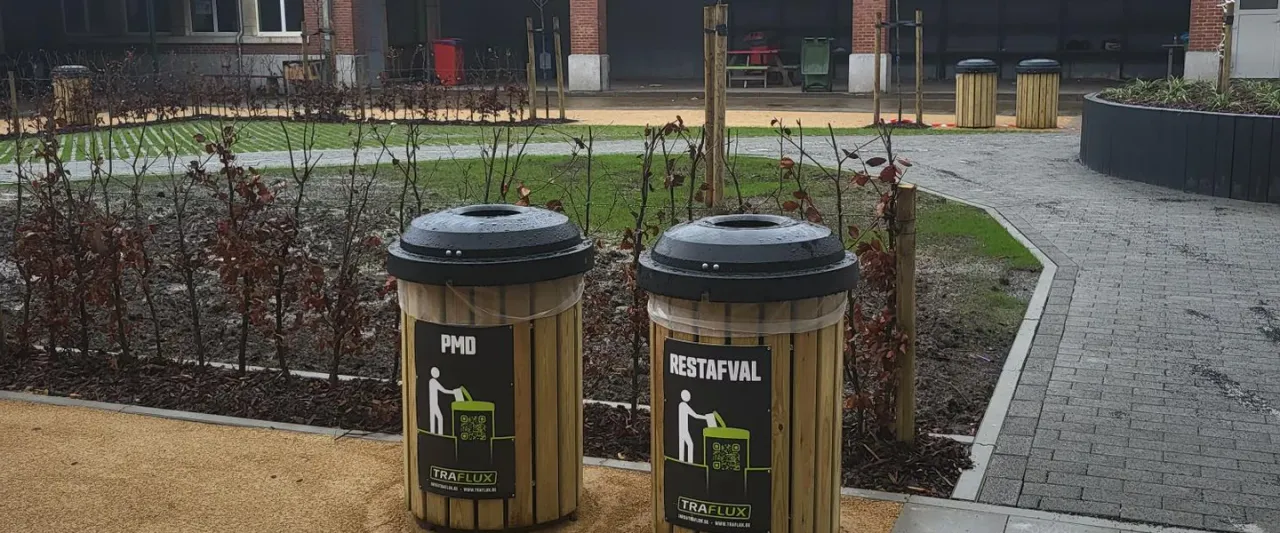
TRAFLUX · URBIN RANGE
Traflux UrBin semi-underground litter bins
More collection volume, less visual clutter, designed for urban and natural settings.
View product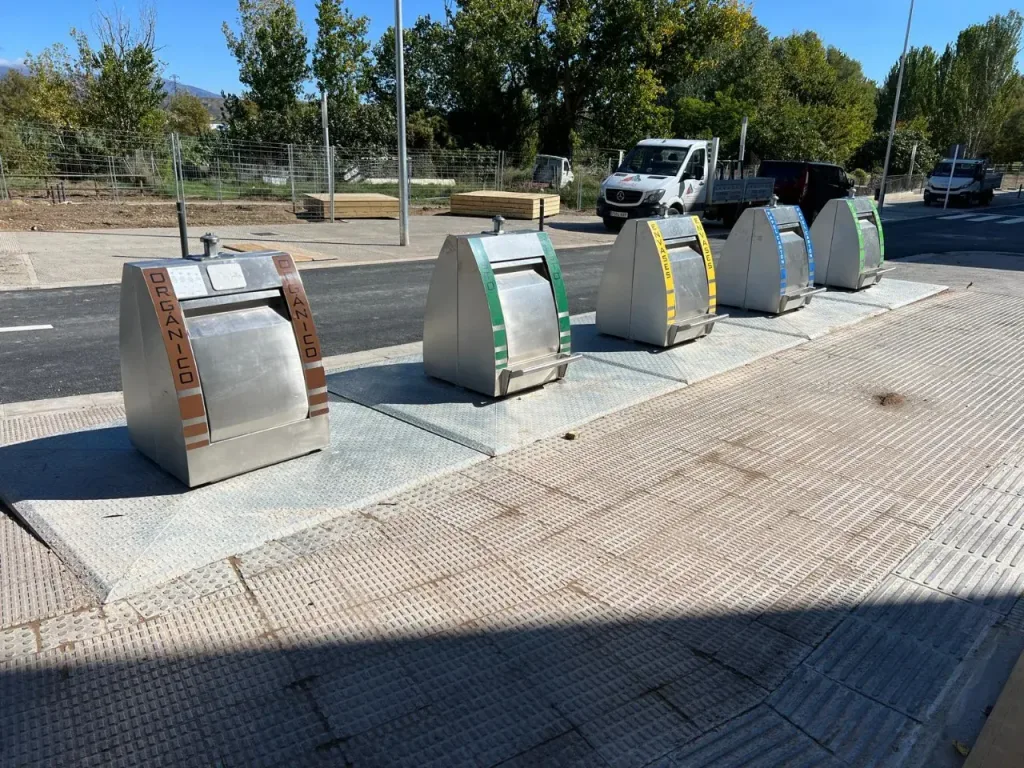
SOTKON · APTO SYSTEM
Underground bell containers
A high-capacity buried system for organised source separation with less visible container footprint at street level.
View product


Recommended articles
Linked guides and articles: operational context, design choices and useful references.
 ArticleLuca Di Leone
Waste collection in historic centres: designing underground collection systems
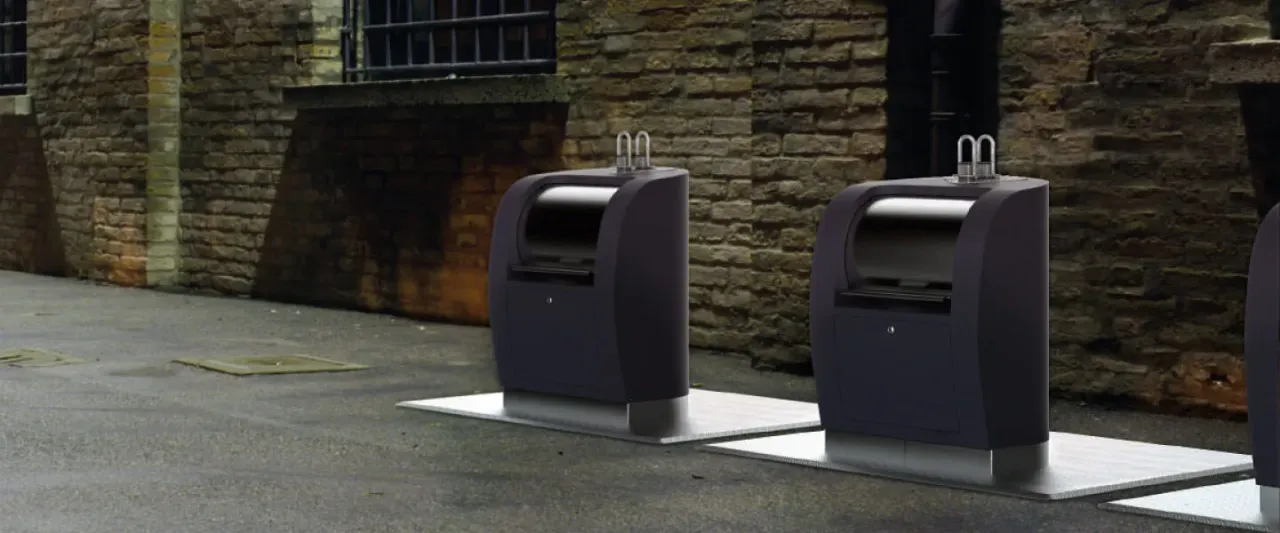
How to design waste collection in historic centres with underground containers: constraints, capacity, urban integration and Sotkon APTO.
Read article ArticleLuca Di Leone
Smart bins and access control: how digital eco-islands work
Access control, badges and telemetry: what to specify when designing an eco-island with fill-level data and user management.
Read article ArticleLuca Di Leone
How to design an underground eco-island: space, capacity, vehicles and civil works
Designing an underground eco-island: volumes, fractions, layout, traffic, collection vehicles, civil works and emptying systems to define before procurement.
Read article


