
APTO underground bell containers
SOTKON · APTO SYSTEM
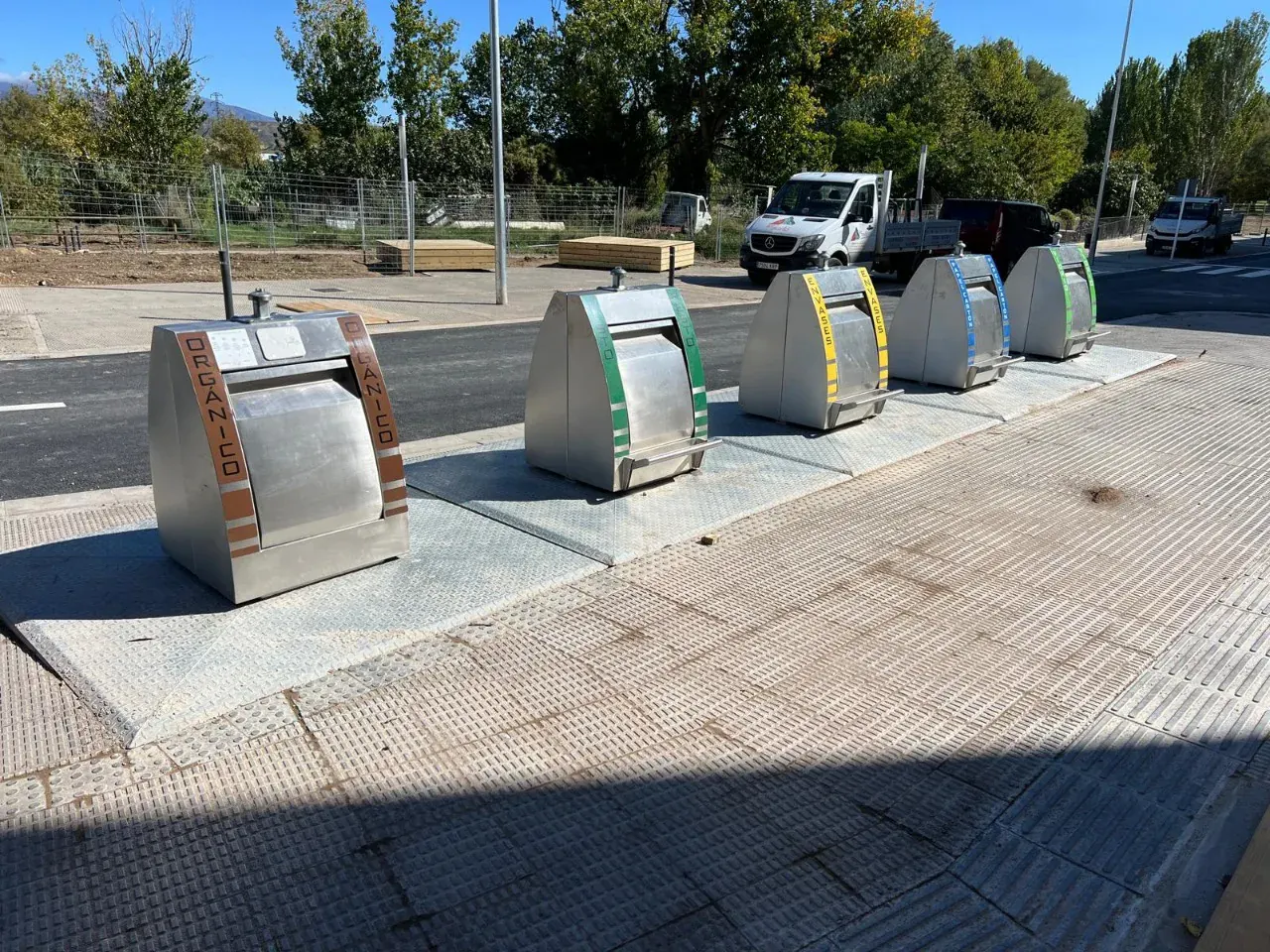
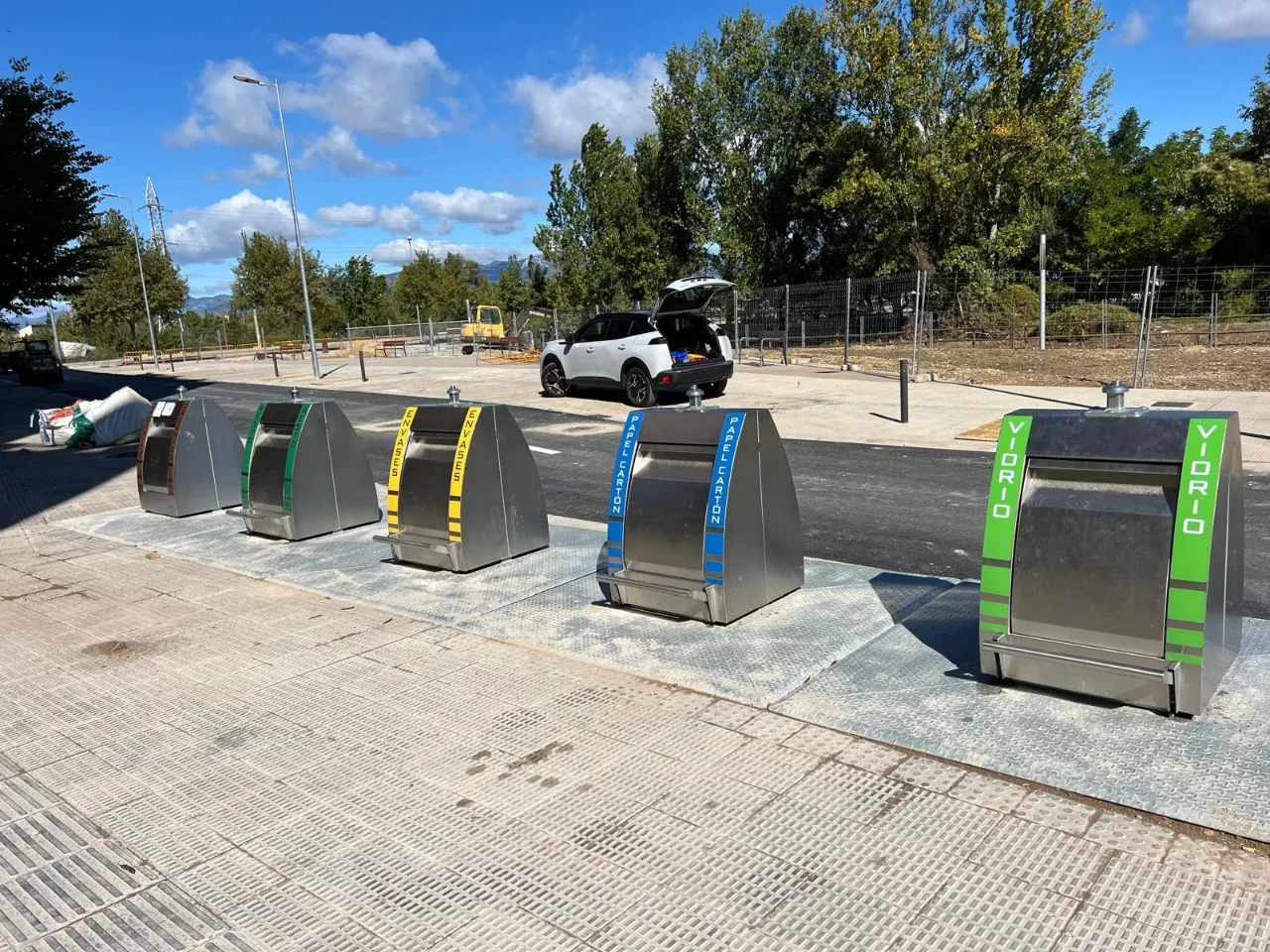
Underground bell containers
A high-capacity buried system for organised source separation with less visible container footprint at street level.
- Capacity
- 3 / 4 / 5 m³
- Bell
- Galvanised steel
- Chamber
- Concrete structure
- Collection
- Crane emptying
- Line
- Sotkon APTO
Performance and benefits
Island capacity
3–5 m³
less visible footprint, comparable aggregated volumevs four above-ground 1.1 m³ bins
Three nominal sizes in the APTO system.
- Hot-dip galvanised steel bell in a precast shell
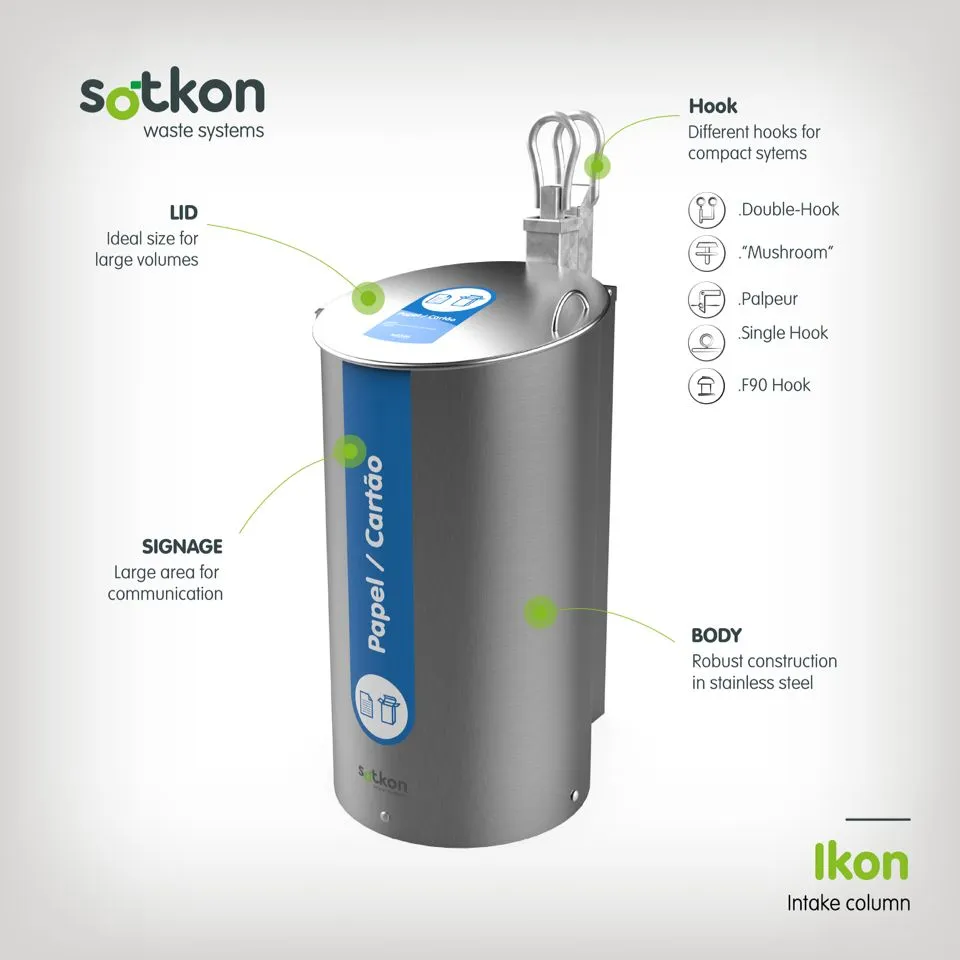
- FLEX mushroom, twin hook, Palpeur or F90 coupling
- EN 13071 certification with TÜV supervision
Streetscape
Stainless chutes
vs Only towers visible at street level – volume stays below grade
Diamond, Konik, Kynetik and bespoke models.
- Only chutes visible in squares or promenades
- Signage and openings per waste stream
- Sotkis for access, fill level and PAYT (optional)
Operations
1 operator only
one driver, top loading without entering the islandvs two operators on the ground
Top loading without entering the island.
- Truck crane with FLEX mushroom or F90 coupling
- Safety platform over the shell during lifting
- Leachate retained in the bell base
Video
Video not loaded
The YouTube player loads after you consent to functional cookies. If you have already accepted, choose “Load video” or reopen your preferences.
Description
- Higher collection capacity with a contained visual footprint.
- Cleaner urban surfaces with fewer large street bins.
- Top emptying with collection trucks equipped with a compatible crane.
- Automatic safety platform during extraction operations.
- Optional controlled access and fill-level monitoring.
Sotkon APTO underground bell containers
- Sotkon APTO bell containers are designed for neighbourhood eco-islands in city centres, squares, residential districts and busy public areas. The system combines 3, 4 and 5 m³ hot-dip galvanised steel bells, stainless deposit chutes and a buried concrete structure. Emptying is from above using the crane on the collection vehicle.
- A solution for municipalities and environmental operators who want large waste volumes below street level, better urban appearance and more efficient collection runs.
- Distributed in Italy by Bunder Company, Bunder Waste division.
- Especially relevant for municipalities upgrading collection areas in historic centres, operators organising high-capacity drop-off points, designers integrating eco-islands in squares and neighbourhoods, and waste services with crane trucks and compatible lift systems.
A complete eco-island engineered below grade
- APTO brings together everything needed for buried collection: the metal container, precast concrete chamber, walking platform and deposit columns. During emptying, the rigid assembly is lifted by the truck crane so the bell can be extracted and waste discharged through the opening base.
- Collection bell:high-strength galvanised steel.
- Capacity:3, 4 or 5 m³.
- Buried chamber:monolithic precast concrete structure.
- Walking platform:galvanised steel deck with anti-corrosion treatment.
- Deposit chutes:stainless steel columns in several configurations.
- Discharge base:one or two opening doors with leachate collection.
- Lifting:mushroom, single hook, twin hook or bilateral F90 coupling.
- Safety:automatic platform covering the chamber opening during extraction.

Three capacities for different collection needs
- Sotkon APTO is available in three nominal volumes to match waste streams and island layout.
- APTO 3 m³, 3,000 L:for points with moderate volumes where capacity should sit below grade.
- APTO 4 m³, 4,000 L:mid-size option for district eco-islands and heavier deposit loads.
- APTO 5 m³, 5,000 L:highest capacity for busy drop-off points.
- The three sizes help dimension islands by stream, users served and emptying frequency. Multiple bells and grouped layouts are possible.
Materials and components for intensive use
- Galvanised steel bell.The metal container is built from galvanised sheet, cut, folded and assembled for high mechanical strength in intensive use. Hot-dip galvanised lifting hardware; opening base with one or two doors depending on lift coupling; leachate sumps integrated in discharge doors.
- Withstands collection stresses; protects metal parts from corrosion; controlled discharge into the truck; manages leachate during emptying.
- Monolithic concrete chamber.The buried shell is a monolithic precast concrete unit that receives the container and fits different island layouts. Prefabricated monolithic structure; modular single or group installs; water-tight characteristics; adaptable to soil and existing utilities.
- Protects the container below grade; supports multiple deposit points; flexible layout; may suit high water tables after geotechnical and design review.
- Walking platform and safety system.The walking deck is galvanised steel with anti-corrosion treatment. In normal use it is the pedestrian surface of the island. When the bell is lifted, an automatic system raises the platform to cover the chamber opening. Options include gas-spring double-leaf platforms and counterweight platforms with cables and pulleys.
- Covers the buried opening during emptying; reduces fall risk into the chamber; integrated pedestrian surface; protects the area while the container is out.
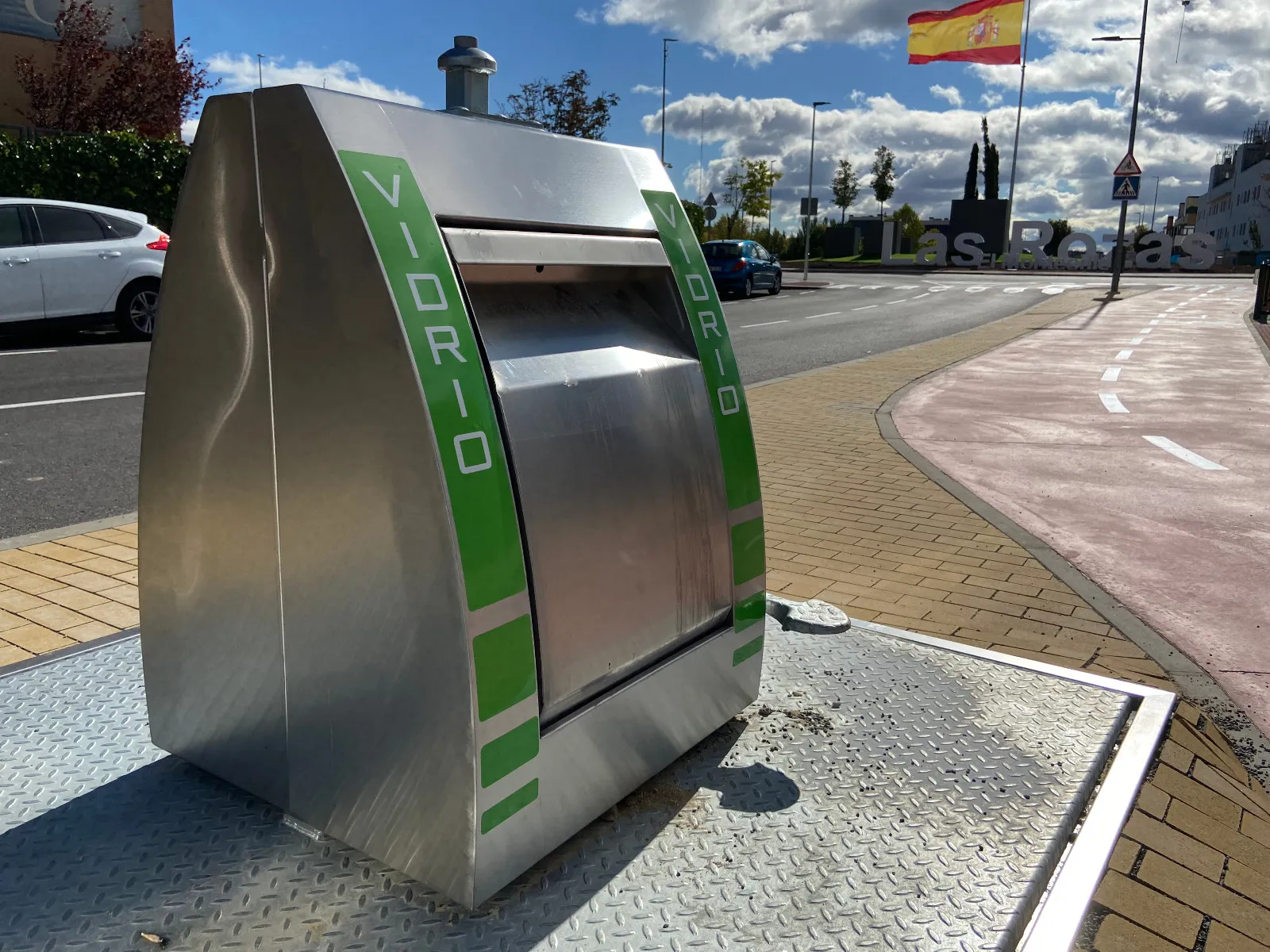
- Stainless deposit chutes.Chutes are the visible part of the island and the deposit interface. Sotkon offers several stainless lines with different shapes, openings and ergonomics. Mostly stainless construction; multiple aesthetic models; dedicated openings per stream; custom finishes and waste identification.
- Less visual impact than above-ground bins; better fit in squares and historic settings; organised deposit by waste type; consistent island image.
Top emptying with several lift couplings
- APTO is designed for emptying with a crane on the collection vehicle. The bell is lifted from the buried chamber and discharges through the bottom doors into the truck body. Lift coupling is chosen to match fleet equipment and operating procedures.
- Kinshöfer FLEX mushroom coupling:mushroom device for centring and lifting the bell with the truck crane.
- Twin-hook system:two lift points paired with containers with twin bottom openings.
- Single hook with Palpeur:single hook with Palpeur device to control bottom opening.
- F90 bilateral system:for trucks with cab-controlled bilateral automatic cranes.
- How emptying works:Coupling: the crane reaches the container lift device. Extraction: the bell is lifted from the buried chamber with linked components. Discharge: bottom doors open above the truck body. Repositioning: the container is lowered back and the platform returns to service.
- Operations can run with a single operator where vehicle configuration and local procedures allow.

Optional smart waste management
- The system can integrate Sotkon Sotkis digital tools for access control, user identification and fill monitoring.
- Sotkis Access:manages deposit access via RFID cards and smart cards. Useful for controlled-access islands and pay-as-you-throw (PAYT) projects.
- Sotkis Level:monitors fill level with dedicated sensors to plan emptying and optimise collection routes.
- Access control, user and deposit identification, fill monitoring, collection planning support and PAYT integration. Digital features are optional and must be specified in the system configuration.
Where to install Sotkon APTO underground bells
- APTO bells suit contexts that need collection capacity, organised service and less visible containers.
- Historic centres and squares:organised separation while keeping public spaces usable and architecturally coherent.
- Residential districts:neighbourhood eco-islands serving condos and residential areas with several streams.
- Pedestrian areas and public spaces:fewer large above-ground bins where footfall is high.
- High-density urban areas:high-capacity drop-off points sized to service demand.
Dimensioning for urban context and collection service
- An underground eco-island needs upfront review of site conditions, deposit modes and emptying equipment.
- Collection capacity:number of bells, volumes and waste streams.
- Available space:island footprint, clearances, distances and truck manoeuvring.
- Subsoil conditions:soil, water table, buried utilities and infrastructure.
- Collection fleet:vehicle type, crane, lift coupling and discharge mode.
- Civil works:excavation, base preparation, chamber install and surface reinstatement.
- Access and safety:layout during deposit and emptying operations.
- Bunder Company supports municipalities, operators and designers choosing configurations. For context see the guide to underground eco-islands, buried systems and site insights. For datasheets contact us via contact.
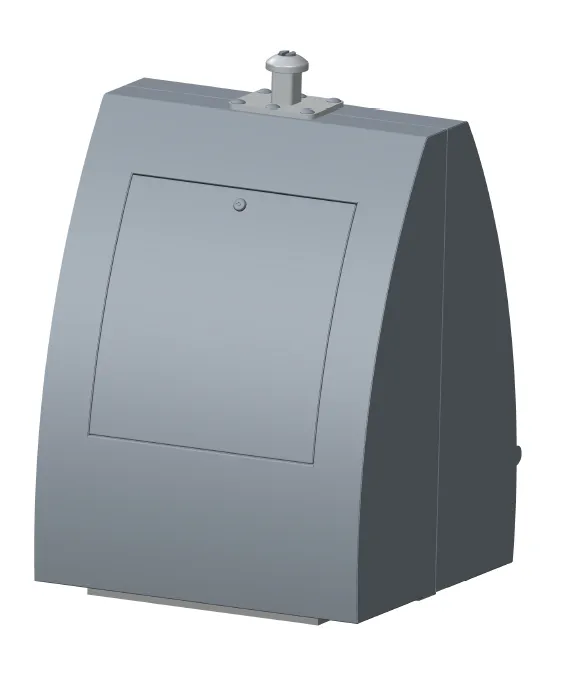
Built to European technical standards
- Sotkon documentation states APTO components are tested under TÜV Rheinland supervision to EN 13071-1 and EN 13071-2 and Machinery Directive 2006/42/EC.
- These references cover technical and safety requirements for buried collection systems and related components.
- Before build, confirm with Sotkon the latest documentation and datasheet for the configuration supplied in Italy.
Applications and contexts
Historic centres and squares
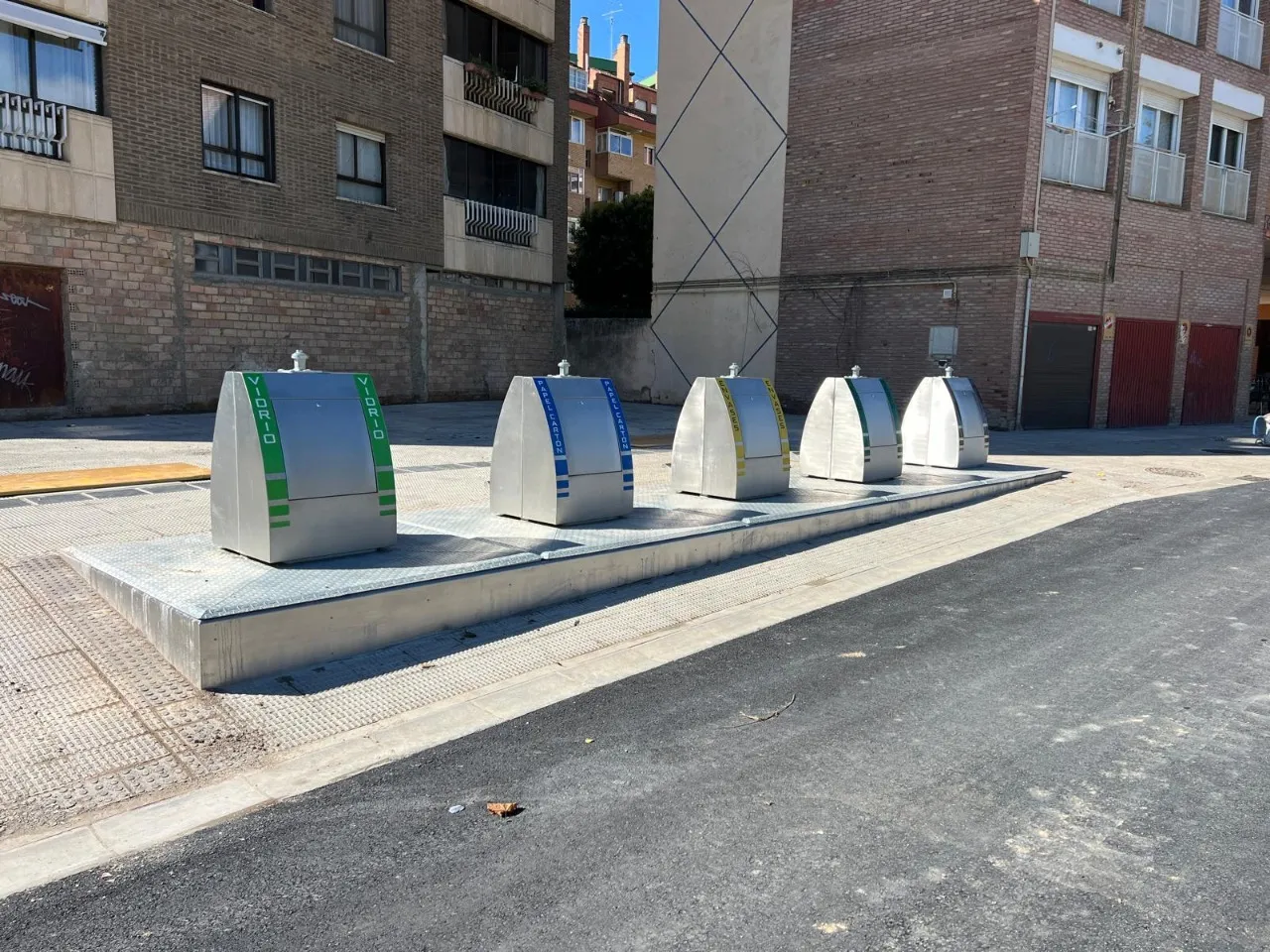
Residential districts
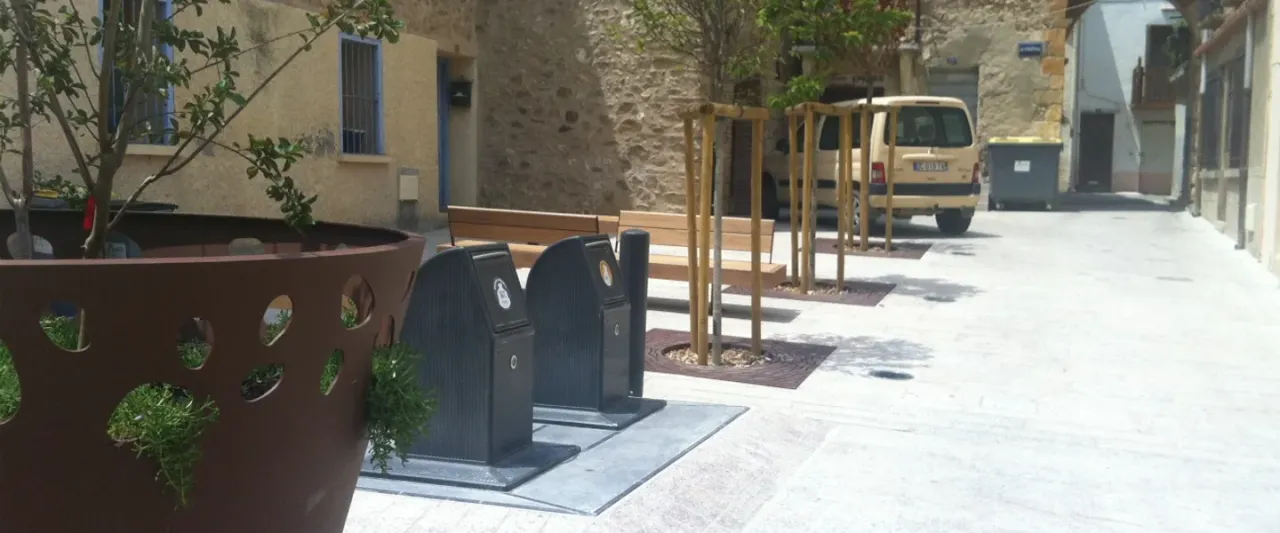
Pedestrian areas and public spaces
For project context and on-site requirements, see the guide Waste collection in historic centres: designing underground collection systems and the solution page Waste collection in historic centres without losing capacity or streetscape quality.
See how to assess this system for a condominium collection project. Condominium eco-islands.
Frequently asked questions
What capacity do APTO underground containers offer?
- Sotkon APTO is available in three nominal capacities: 3, 4 and 5 m³ (3,000, 4,000 and 5,000 litres). Choice depends on waste volumes, streams collected and emptying frequency.
How are underground bell containers emptied?
- Emptying uses a crane on the collection vehicle. The container is lifted from the buried chamber and waste is discharged through opening bottom doors into the truck body.
Which trucks can empty APTO?
- The system can be configured for Kinshöfer FLEX mushroom, twin hook, single hook with Palpeur and F90 bilateral automatic systems. Compatibility must be checked against equipment fitted on the vehicle.
Does the safety platform activate automatically?
- Yes. When the container is extracted, the safety platform rises to cover the chamber opening. Gas-spring and counterweight versions are available.
Can APTO be installed with a high water table?
- The manufacturer describes the concrete chamber as water-tight and suitable for elevated groundwater in some contexts. A technical review of hydrogeology, soil pressure and installation works is still required.
Can several bells share one eco-island?
- Yes. Single or grouped installations with several layouts are supported, so multiple waste streams can share one area.
Can access and fill level be monitored?
- Yes. With Sotkis technologies you can add RFID access control, fill sensors and support for pay-as-you-throw billing.
How do I receive the technical datasheet?
- Datasheets, documentation and prices are not published on this site: we send them on request for the product and configuration you need. Use “Request datasheet and quote” on this page: the form opens with this product preselected.
Recommended products
More solutions in the Buried systems range and related families.
ECOLLECT · ECOBAC 1500
Recessed platform for wheeled bins
It hides bins below street level and brings them to the surface only when they need emptying.
View product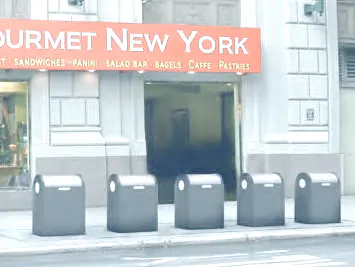
SOUNETE · BACK SYSTEM
Platforms for wheeled bins
Bury wheeled bins, free urban space and keep rear-loading compactor operations.
View product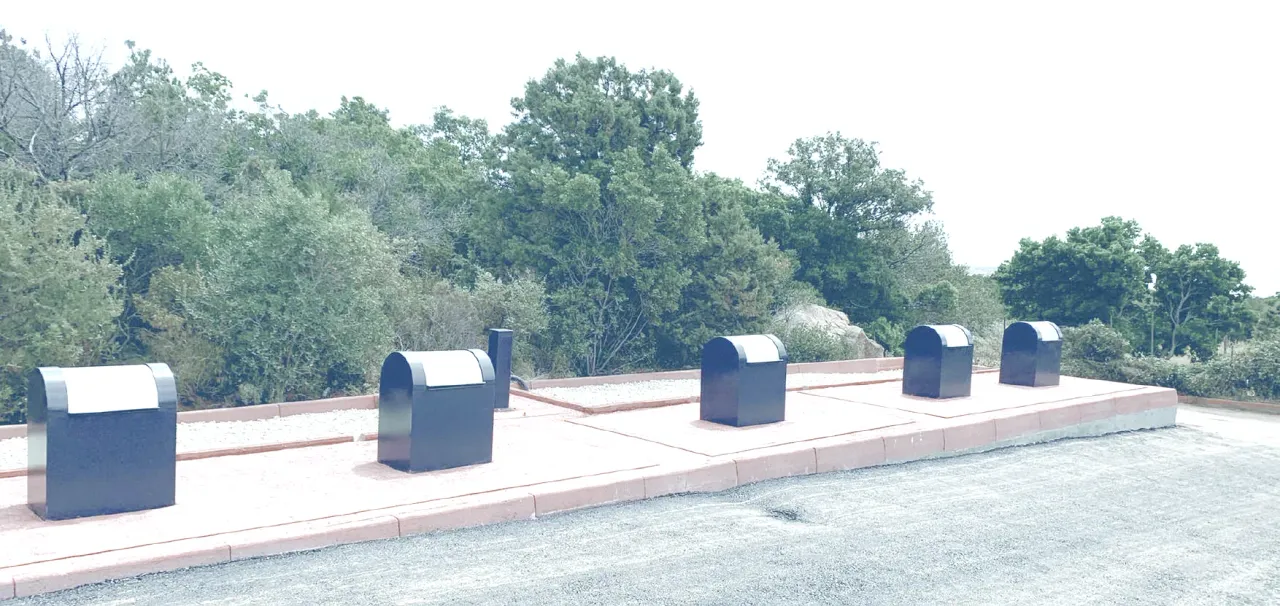
SOUNETE · SIDE SYSTEM
Platforms for stationary bins
High collection volumes below grade without giving up efficient side-loading emptying.
View product


Recommended articles
Linked guides and articles: operational context, design choices and useful references.
 ArticleLuca Di Leone
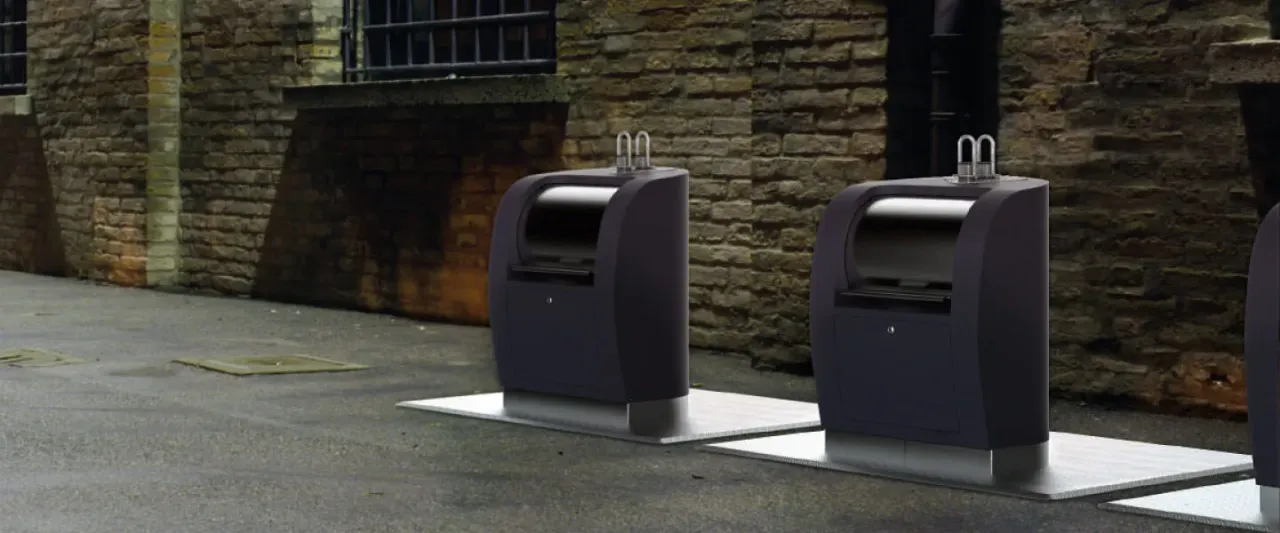
Waste collection in historic centres: designing underground collection systems
How to design waste collection in historic centres with underground containers: constraints, capacity, urban integration and Sotkon APTO.
Read article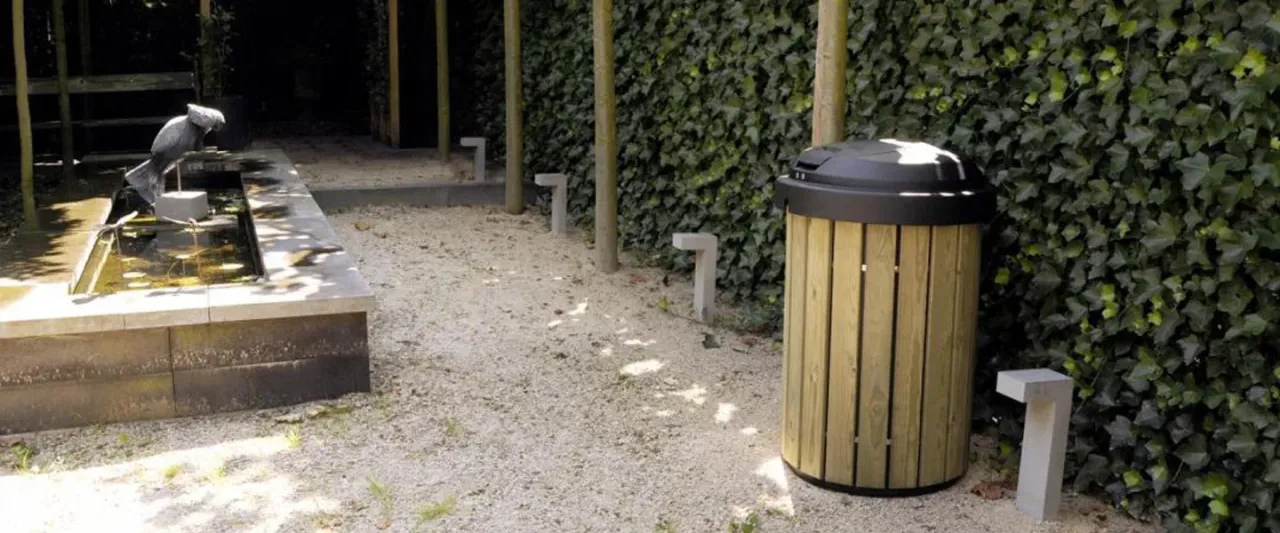 ArticleLuca Di Leone
Underground or semi-underground containers: differences and selection criteria
Underground and semi-underground are not the same: construction, visual impact, maintenance and vehicle compatibility to assess at design stage.
Read article ArticleLuca Di Leone
Smart bins and access control: how digital eco-islands work
Access control, badges and telemetry: what to specify when designing an eco-island with fill-level data and user management.
Read article


